Orthopedic surgery addresses issues within the musculoskeletal system. This system includes bones, joints, ligaments, tendons, and muscles. A surgeon can use various techniques to treat these structures, and they will select a specific approach based on the condition. Here is more information on orthopedics:
What Is Orthopedics?
Orthopedics is a specialized branch of medicine, and it focuses on the musculoskeletal system. Medical professionals in this field diagnose, treat, and prevent disorders related to bones and joints. Many conditions fall under this specialty, including fractures, arthritis, and sports injuries.
What Is Orthopedic Surgery?
Orthopedic surgery is a medical procedure designed to correct problems in the musculoskeletal system. Surgeons perform these operations to restore function, and they aim to relieve physical discomfort. The scope of these surgeries ranges from minor arthroscopic procedures to major joint replacements. Patients undergo these procedures when non-surgical treatments fail to provide adequate relief.
A primary goal of these procedures is restoring normal joint mechanics. The surgeon corrects anatomical deformities, and they remove damaged tissue from the affected area. Some surgeries involve implanting artificial components to replace worn bone surfaces. The specific surgical goals depend on the patient’s individual diagnosis.
What Techniques Are Used?
Surgeons employ a variety of techniques during orthopedic procedures. Minimally invasive techniques help reduce tissue trauma, facilitating an easier recovery. This approach involves making small incisions instead of large cuts, and the surgeon inserts a tiny camera and specialized tools through these incisions to perform the repair. A doctor will evaluate each specific condition to determine the most suitable surgical technique.
What Does the Process Involve?
The surgical process begins with a thorough medical evaluation. The doctor reviews the patient’s medical history, and they order imaging tests such as X-rays or MRIs. These tests provide detailed pictures of internal structures, which the medical team uses to plan the surgical approach.
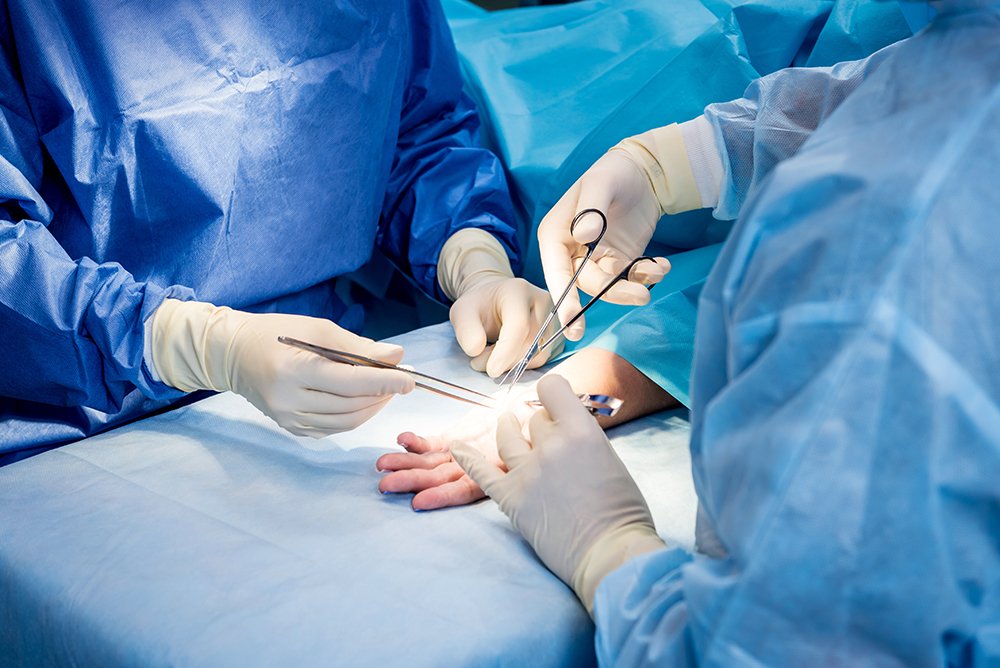
On the day of the procedure, the surgeon executes the planned technique, and nurses monitor the patient’s heart rate and blood pressure throughout the operation. After completing the repair, the surgeon closes the incisions. Patients then move to a recovery room for initial observation. The post-operative phase focuses on healing and rehabilitation, necessitating continual medical guidance.
How Is Professional Guidance Beneficial?
Consulting a medical professional provides information regarding orthopedic treatment options. An orthopedic specialist understands the complexities of the musculoskeletal system, and they can diagnose the root cause of physical issues. They explain the benefits of different surgical techniques, helping patients make informed decisions about their medical care.
Professional guidance also streamlines the recovery process. A specialist creates a customized rehabilitation plan for the patient’s specific needs and adjusts it as healing progresses. They monitor for potential complications during the post-operative period, and receiving structured support from a medical team may improve long-term physical outcomes.
Learn More From a Specialist
Orthopedic surgery employs specific techniques to effectively address musculoskeletal conditions. The process involves careful evaluation, precise surgical execution, and structured rehabilitation. Minimally invasive techniques offer shorter recovery times, but you should speak with a medical provider to determine which option most suits your condition. Schedule a consultation with an orthopedic surgeon today to discuss your symptoms.