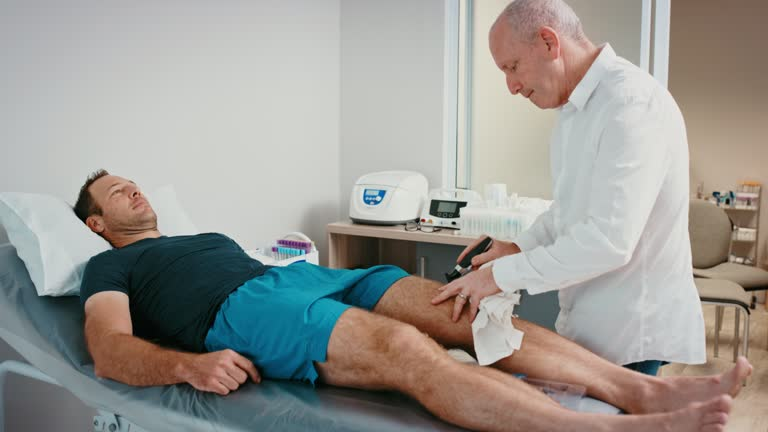
Knee pain is one of the most common problems people face at any age. Whether it starts suddenly after an injury or slowly grows over time, knee pain can affect daily life, work, sleep, and even simple activities like walking or climbing stairs. When knee pain becomes persistent or severe, visiting an orthopedic doctor for knee pain is often the best and safest decision.
This article will explain what an orthopedic doctor does, why knee pain happens, when you should see a specialist, how treatment works, and how an orthopedic doctor can help you return to a pain-free life.
What Is an Orthopedic Doctor?
An orthopedic doctor is a medical specialist who treats problems related to bones, joints, muscles, ligaments, and tendons. The knee is one of the most complex joints in the body, and orthopedic doctors are specially trained to diagnose and treat knee-related conditions.
An orthopedic doctor for knee pain focuses on understanding the exact cause of your pain and providing the most effective treatment, whether it is simple care, physical therapy, medication, or surgery.
Common Causes of Knee Pain
Knee pain can happen for many reasons. An orthopedic doctor carefully checks your symptoms, lifestyle, and medical history to find the root cause. Some common causes include:
1. Knee Injuries
Injuries from sports, falls, or accidents are a major reason people seek an orthopedic doctor for knee pain. These may include:
- Ligament tears (ACL, MCL)
- Meniscus tears
- Fractures
- Dislocated kneecap
2. Arthritis
Arthritis causes joint inflammation and stiffness. The most common types affecting the knee are:
- Osteoarthritis (age-related wear and tear)
- Rheumatoid arthritis (autoimmune condition)
- Post-traumatic arthritis (after injury)
3. Overuse and Strain
Repeating the same movement for long periods can damage the knee. This is common in runners, athletes, and people with physically demanding jobs.
4. Age-Related Changes
As people get older, cartilage in the knee can wear down. This leads to pain, stiffness, and reduced movement.
5. Poor Posture or Weight Issues
Extra body weight puts pressure on the knees. Poor walking posture or weak muscles can also increase knee pain.
Signs You Should See an Orthopedic Doctor for Knee Pain
Many people ignore knee pain at first, hoping it will go away on its own. However, some symptoms should never be ignored. You should visit an orthopedic doctor if you experience:
- Pain lasting more than a few weeks
- Swelling or redness around the knee
- Difficulty walking or standing
- Knee locking or giving way
- Sharp pain after an injury
- Limited knee movement
- Pain that gets worse over time
Early treatment often prevents long-term damage and speeds up recovery.
How an Orthopedic Doctor Diagnoses Knee Pain
When you visit an orthopedic doctor for knee pain, the process usually starts with a detailed evaluation.
Medical History
The doctor will ask about:
- When the pain started
- How severe it is
- Activities that worsen or improve it
- Previous injuries or surgeries
Physical Examination
The doctor checks:
- Knee movement and strength
- Swelling or tenderness
- Stability of ligaments
Imaging Tests
If needed, the doctor may recommend:
- X-rays (to check bones and arthritis)
- MRI (to view ligaments, cartilage, and soft tissues)
- CT scans or ultrasound in specific cases
This step-by-step approach helps the doctor find the exact cause of knee pain.
Treatment Options Offered by an Orthopedic Doctor
An orthopedic doctor for knee pain always tries non-surgical treatments first, unless surgery is absolutely necessary.
1. Lifestyle Changes
Small changes can make a big difference:
- Weight management
- Proper footwear
- Activity modification
2. Physical Therapy
Physical therapy helps strengthen muscles around the knee. It improves flexibility, balance, and joint support.
3. Medications
Doctors may prescribe:
- Pain relievers
- Anti-inflammatory medicines
- Supplements for joint health
4. Injections
Some patients benefit from:
- Cortisone injections to reduce inflammation
- Hyaluronic acid injections for lubrication
5. Knee Braces or Supports
Braces help stabilize the knee and reduce stress during movement.
When Is Surgery Needed?
Surgery is usually the last option. An orthopedic doctor will suggest surgery only if other treatments fail or the damage is severe.
Common knee surgeries include:
- Arthroscopy (minimally invasive)
- Ligament reconstruction
- Meniscus repair
- Partial or total knee replacement
Modern surgical techniques are safer and more effective than ever, with faster recovery times.
Recovery and Rehabilitation
Recovery does not end after treatment or surgery. An orthopedic doctor guides patients through a rehabilitation plan that may include:
- Physical therapy sessions
- Home exercises
- Gradual return to activities
- Regular follow-up visits
Following the doctor’s advice is key to long-term knee health.
How an Orthopedic Doctor Improves Quality of Life
Living with knee pain can affect mental health, confidence, and independence. Seeing an orthopedic doctor for knee pain can help you:
- Walk comfortably again
- Return to sports or hobbies
- Sleep without pain
- Avoid future knee damage
- Maintain an active lifestyle
Early care often leads to better outcomes and fewer complications.
Tips to Protect Your Knees
Even after treatment, protecting your knees is important:
- Warm up before exercise
- Strengthen leg muscles
- Avoid sudden movements
- Maintain a healthy weight
- Listen to your body
Frequently Asked Questions (FAQs)
1. When should I visit an orthopedic doctor for knee pain?
You should visit an orthopedic doctor if your knee pain lasts more than two weeks, worsens, or affects walking, standing, or daily activities.
2. Can knee pain go away without treatment?
Mild knee pain may improve with rest, but ongoing or severe pain usually needs medical evaluation to prevent further damage.
3. Do all knee problems require surgery?
No. Most knee problems are treated with non-surgical methods such as physical therapy, medication, and lifestyle changes.
4. How long does it take to recover from knee treatment?
Recovery time depends on the condition. Some patients feel better in weeks, while others may need several months, especially after surgery.
5. Is an orthopedic doctor better than a general doctor for knee pain?
Yes. An orthopedic doctor specializes in joint and bone conditions and has advanced training to diagnose and treat knee pain effectively.
Final Thoughts
Knee pain should never be ignored, especially when it affects your daily life. An orthopedic doctor for knee pain plays a crucial role in identifying the cause, offering effective treatment, and guiding you toward long-term recovery. With the right care and timely attention, most people can return to a healthy, active, and pain-free life.