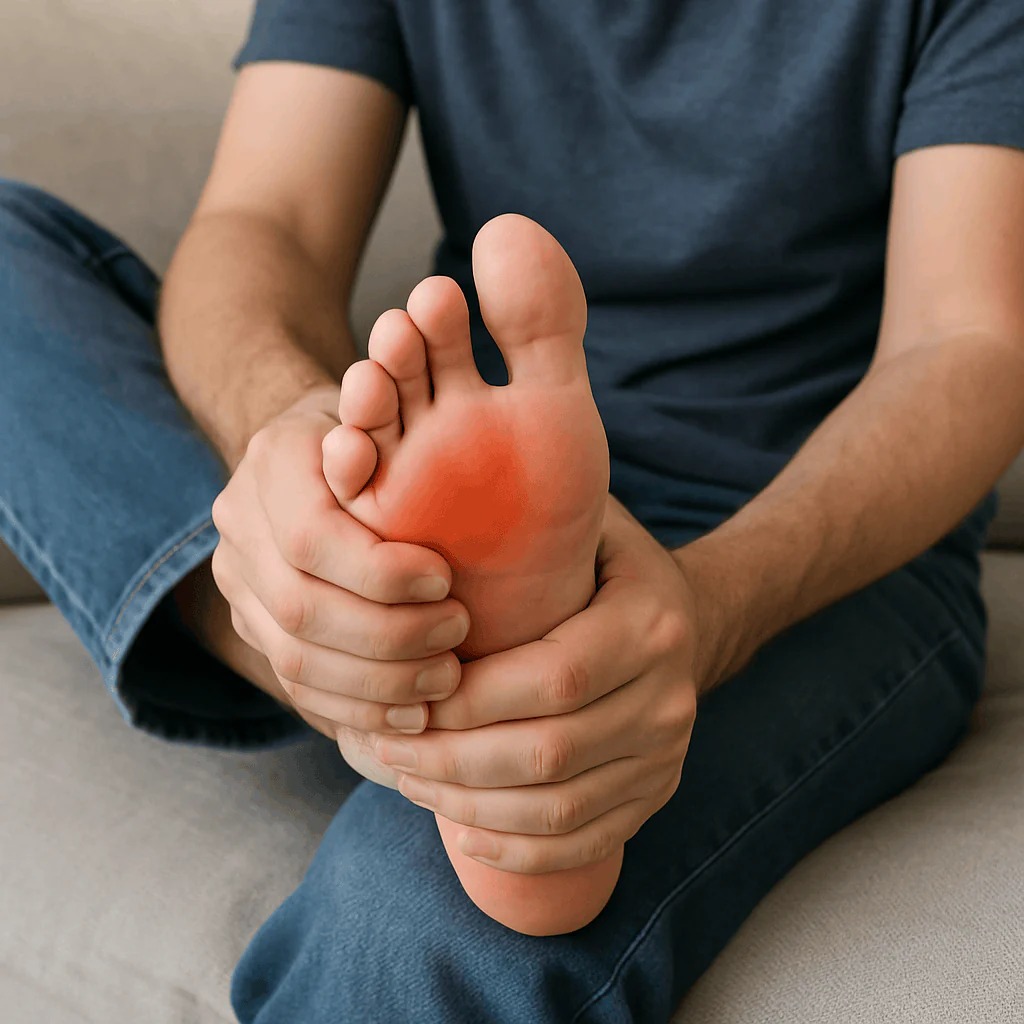
Joint pain shows up in many ways, from mild morning stiffness to sharp aches during movement. It stems from a range of causes, including arthritis and injury, and this can make daily tasks harder. While joint pain has no single fix, lifestyle changes help you manage the symptoms. Here are some lifestyle changes to manage joint pain:
Participate in Low-Impact Exercise
Movement keeps your joints flexible and strengthens the muscles that surround them, and it also supports overall mobility. Low-impact activities put less strain on sore areas while still keeping your body active. Exercises like swimming, cycling, and walking reduce the pressure that running or jumping places on your joints. Regular, moderate activity tends to support joint health more than occasional bursts of hard effort. A short daily walk gives your body a gentle way to stay in motion, and stretching before and after activity helps maintain your range of motion. If a movement causes sharp pain, stop and rest.
Adopt an Anti-Inflammatory Diet
What you eat may influence the level of inflammation in your body. Some foods are linked to higher inflammation, while others are associated with lower levels. Adjusting your meals is one step you might take to manage joint pain. Some beneficial foods include:
- Fatty fish
- Leafy greens
- Berries
- Nuts
- Olive oil
Cutting back on some foods may also help. Processed foods, sugary drinks, and refined carbohydrates are frequently tied to increased inflammation. Reducing your intake of these could make a difference in how your joints feel. Hydration also plays a role. Water supports the cushioning fluid inside your joints, so drinking enough throughout the day matters. Small, steady adjustments to your plate are often easier to maintain than sudden, drastic shifts.
Maintain a Healthy Weight
Extra body weight adds pressure to weight-bearing joints like the knees and hips. Every pound adds to the load on these areas during standing, walking, and climbing stairs. Reaching and holding a healthy weight lightens that burden. Combining balanced eating with regular movement helps maintain a healthy weight over time. Rapid weight loss is rarely sustainable, so aim for gradual progress instead.
Maintaining a healthy weight also reduces inflammatory stress on joints, which can help lessen stiffness and discomfort. When excess load is minimized, the body moves more efficiently, making everyday activities less taxing. This often improves the effectiveness of conservative treatments, such as physical therapy or bracing. Small, sustained changes in body composition can improve long-term joint function, and they also help slow the progression of joint wear.
Visit a Joint Pain Specialist
Lifestyle changes form one part of managing joint pain, and professional care identifies underlying causes and guides targeted treatments. A joint specialist reviews your symptoms and examines the affected areas. They may recommend imaging, physical therapy, medication, or other treatments based on your situation. Working with a specialist means your plan reflects your needs rather than general advice. Follow-up visits confirm that the treatment plan adapts to your changing condition. If joint pain interferes with your daily life, schedule an appointment with a specialist today.