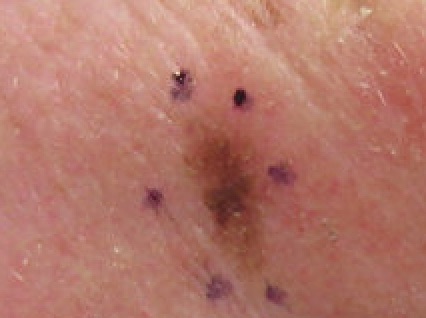
Skin cancer surgery removes cancerous tissue and helps restore healthy skin. Recovery depends on the procedure, and your provider guides each step. Whether you had Mohs surgery or another skin cancer surgery, proper aftercare supports healing, and following instructions closely reduces the chance of complications.
Wound Care After Surgery
Your provider treats the surgical site right after your skin cancer surgery. Care varies by wound size, so instructions differ from patient to patient. Some patients need only a bandage, while others receive stitches or a skin graft. Keep the area clean, and change the dressing as directed to lower your infection risk. Follow your provider’s instructions for cleaning the wound each day. Gently rinse the area with mild soap and water. Pat it dry before applying a fresh dressing. Avoid scrubbing the site, as this can disrupt healing tissue and increase irritation. Use only the products your provider recommends.
Do not apply over-the-counter ointments unless directed. Your provider may recommend a specific ointment to apply under the bandage. Replace the dressing at the same time each day to build a consistent routine. Wash your hands thoroughly before touching the wound. Proper technique limits the introduction of bacteria to the area. Watch the wound each day for signs of trouble. Redness, swelling, and drainage can signal infection, and increasing pain deserves attention too. If you notice these changes, contact your provider promptly, because early treatment prevents further problems. Simple daily checks keep you informed about your progress.
Activity Limits and Sun Protection
Follow these key activity guidelines to protect the wound and support recovery:
- Avoid heavy lifting and strenuous exercise, as these can strain the wound.
- Gentle movement is fine, but limit activities that stretch or pull the treated area.
- Ask your provider when it is safe to return to normal activity, as the timeline varies based on wound size and location.
- Start slowly when resuming activity, and stop if you have pain or notice changes at the wound.
Sun protection does not end when the wound closes. Skin that has undergone surgery is more vulnerable to UV damage, and scarring can worsen with repeated sun exposure. Build sun-safe habits into your daily routine to reduce your risk and support lasting skin health.
Appointments and Ongoing Monitoring
Your provider schedules visits to monitor healing after surgery, and these appointments confirm the wound closes properly. During each visit, your provider checks the site and answers questions about your recovery. Attend every appointment because consistent monitoring helps catch concerns early. Write down any questions before each visit so you use your time well. Note changes you observed at home. Bring a list of any products you applied to the wound. Your provider uses this information to assess your progress accurately and adjust your care plan if needed. Prepared patients get more from every appointment. Follow-up timing varies based on the procedure and wound type.
Discuss Skin Cancer Surgery Today
Recovery works best with steady care and clear communication. Contact your provider with any questions, and report changes as soon as you notice them. If you are preparing for skin cancer surgery or recovering now, book your follow-up visits early. Timely appointments support healing and long-term monitoring. Take the next step, and you can reach out to your care team today.