Mohs surgery is a precise technique for removing certain types of skin cancer. It targets cancerous tissue while sparing as much healthy skin as possible, and it pairs surgery with microscopic review in a single appointment. Because this combination sets it apart from many other methods, understanding the basics helps you follow your provider’s guidance. Here’s more information about Mohs surgery and its role in skin cancer treatment:
Defining Mohs Surgery
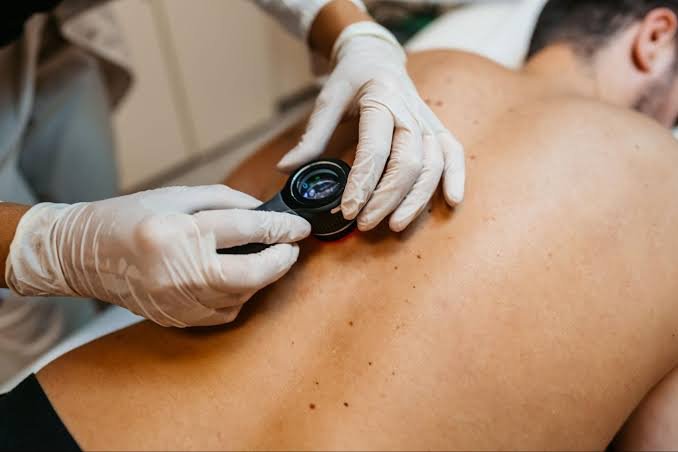
Mohs surgery is a specialized procedure that targets skin cancer layer by layer. A trained Mohs surgeon performs the procedure and examines each layer under a microscope, keeping the entire process under a single provider’s care. Providers may use it for skin cancers on the face, ears, and neck, where preserving healthy tissue is particularly ideal. Because each layer is evaluated immediately, the procedure allows for precise mapping of the affected area.
The process unfolds in stages, and each stage builds on the one before it. To begin, the surgeon removes a thin layer of tissue from the affected area. That layer then goes to an on-site lab, where the surgeon studies it under a microscope to check the edges for remaining cancer cells. If the provider finds cancer at the edges, they return to remove another thin layer from that exact spot; this cycle repeats until the examined tissue shows clear edges. The step-by-step pattern follows a clear logic:
- The surgeon removes a layer and marks its precise location.
- The surgeon reviews the layer under a microscope while you wait.
- The surgeon removes more tissue only where cancer remains.
Once the margins are confirmed to be clear, the surgeon addresses the wound. The appropriate method depends on the size and location of the surgical site. The provider may close the area with stitches, perform or plan a reconstructive procedure, or allow the wound to heal naturally over time.
Recognizing Its Distinct Features
Several features separate Mohs surgery from standard excision. The most notable difference involves timing, since the tissue analysis happens during the same appointment rather than days later. This real-time review lets the surgeon confirm clear edges before you leave. Standard excision may remove a wider margin and send samples to an outside lab; Mohs surgery examines nearly the entire edge of each removed layer. Because the surgeon takes tissue only where cancer remains, the method conserves healthy skin around the treated area. This precision is useful in spots where appearance and function are more significant.
Placing It Within Treatment
Mohs surgery represents one option within a broader set of skin cancer treatments and offers a 99% success rate. Providers may weigh several factors before recommending it; this includes the type of cancer, its size, its location, and whether it has returned after earlier treatment. Some cases are particularly well suited to this approach, such as those involving common forms of skin cancer like basal cell carcinoma.
A dermatologist or skin cancer specialist typically guides the decision-making process. They assess the diagnosis, review your medical history, and explain how the available treatment options compare. When this surgery is appropriate, it becomes part of a coordinated care plan; this often includes follow-up visits and ongoing skin examinations.
Learn More About Mohs Surgery
Mohs surgery combines targeted tissue removal with immediate microscopic evaluation to treat skin cancer with a high degree of precision. The procedure is distinguished by its same-day analysis, its emphasis on preserving healthy tissue, and its layer-by-layer approach. These features allow the surgeon to carefully assess the treatment area, and it minimizes the removal of unaffected skin. To determine whether this option is appropriate for your situation, schedule a consultation with a qualified provider.