Knee arthroscopy is a surgical procedure that allows doctors to view the knee joint without making a large incision. During this process, surgeons insert a small camera, called an arthroscope, into the joint to investigate and address specific structural issues. A structured recovery period is advisable to achieve optimal results following surgery. Knee arthroscopy is a common procedure, and it requires careful attention during recovery. The primary steps of recovery involve managing initial discomfort, caring for the surgical incisions, and participating in an organized rehabilitation program. By understanding these distinct phases, you can properly prepare yourself for the days and weeks following your surgery.
Pain Management
Managing discomfort after knee arthroscopy is the first step in the postoperative recovery process; your healthcare provider will provide specific instructions on pain relief before you return home. Often, this involves a combination of rest, strategic elevation, and medication.
- Elevation: Keeping your leg elevated above the level of your heart helps minimize localized swelling. You can use pillows to prop up your leg while resting on a couch or bed.
- Ice Application: You may use ice packs to reduce swelling, but place a cloth between the ice and your skin. Apply the ice for short, specific durations exactly as directed by your physician.
- Medication Management: Your doctor might recommend over-the-counter pain relievers or prescribe specific medications. Take these prescriptions exactly as directed, and avoid adjusting your dosage without medical approval.
Proper pain management allows you to rest and recover. Staying ahead of discomfort in the first few days lays a foundation for subsequent stages of rehabilitation.
Incision Care
Caring for the small incisions after knee arthroscopy is relatively straightforward, but it is recommended to remain diligent. Keeping the area clean and dry helps prevent bacteria from entering the site and supports healing. After surgery, your surgeon will apply a sterile dressing and give you precise instructions about when it is safe to remove or change the bandage.
For the first several days, you will likely need to keep the area dry when showering to reduce the risk of infection. When it is time to change your bandages, thoroughly wash your hands. Apply a new, sterile dressing exactly as instructed by your care team. Monitor the area daily for any unusual redness, excess swelling, or unexpected drainage. Contact your healthcare provider for evaluation and guidance if you see any significant changes at the incision site, and be sure to provide detailed information about your observations.
Physical Therapy
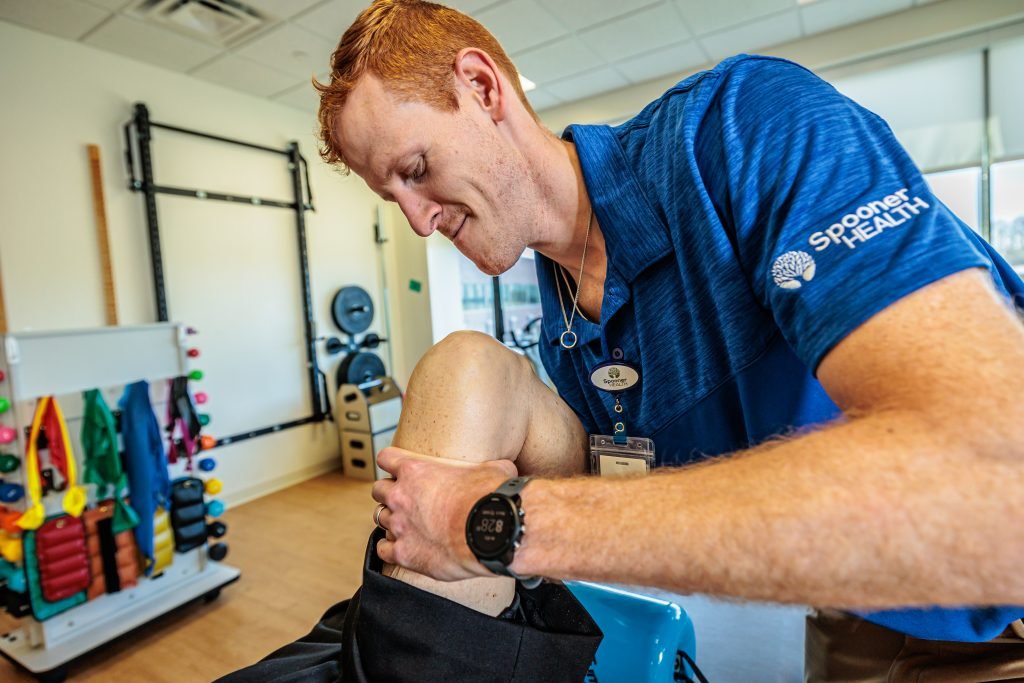
Physical therapy plays a significant role in restoring strength and range of motion to your knee after surgery. Your doctor will typically refer you to a physical therapist who will guide you through a structured, monitored exercise plan. Early in recovery, exercises are simple, and they focus on stretches and gentle range-of-motion activities to prevent stiffness. As you progress, the therapist will introduce more demanding movements. These exercises will help you gradually regain mobility and build supporting strength around the joint. Complete any prescribed exercises at home with the same attention you bring to in-person sessions; consistency is key for improvement. Following your physical therapist’s plan helps you steadily return to your usual activities at a pace that matches your individual recovery.
Ask About Knee Arthroscopy Today
Recovery from knee arthroscopy follows a clear, sequential path of pain management, diligent incision care, and targeted physical therapy. Every individual has a unique timeline based on their specific situation, and this makes it advisable to communicate regularly with your medical team. If you are experiencing structural knee issues and want to learn about your options, schedule a consultation with a specialist. They can provide specific guidance based on your circumstances and outline a procedure for you. Taking the time to understand the process helps you make informed decisions regarding your ongoing joint health.