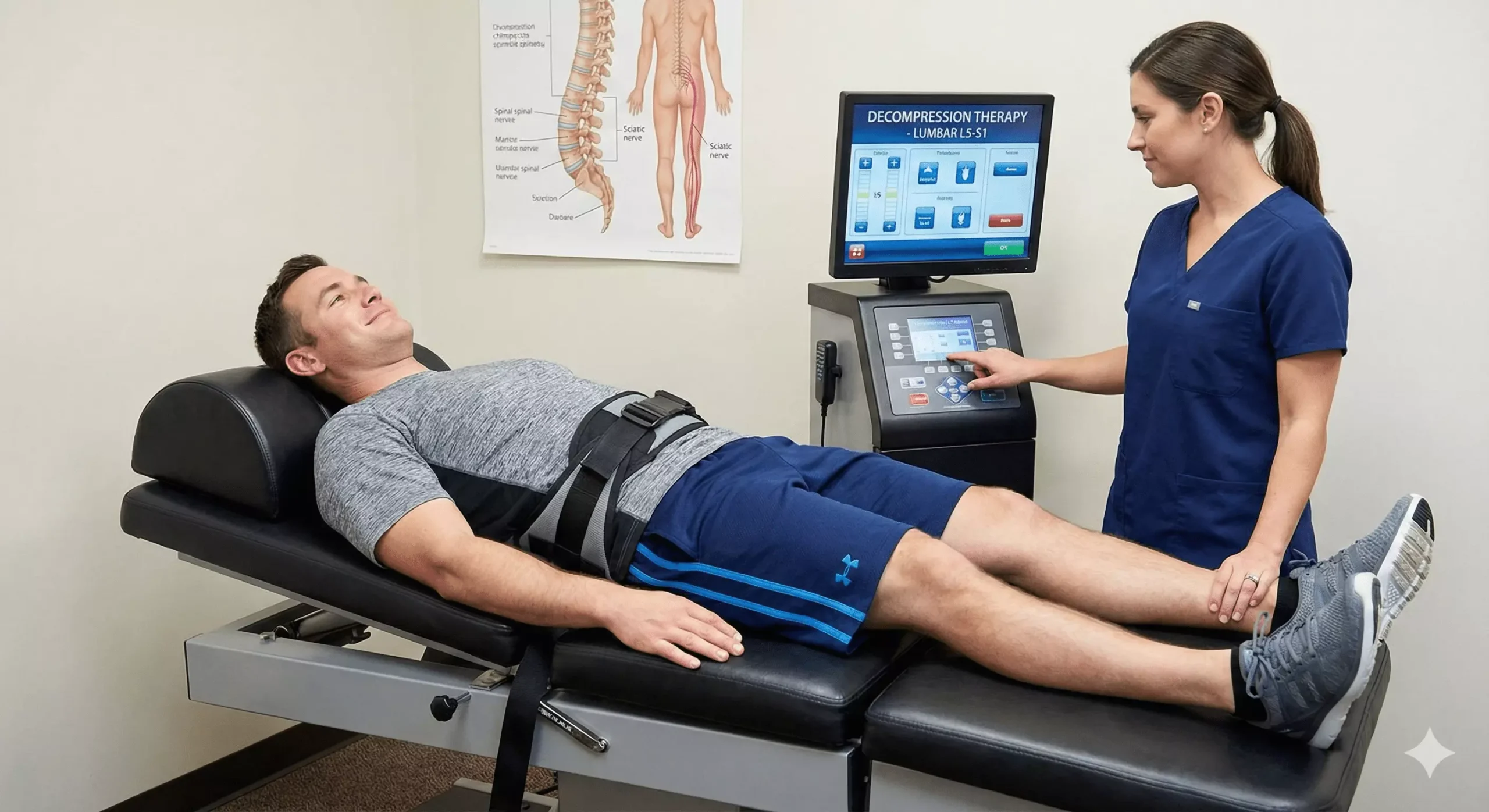
Sciatica is a medical condition involving the sciatic nerve. Medical professionals diagnose this condition based on specific nerve pathways, and they may recommend non-surgical treatments first. Here is more information on this condition, its causes, symptoms, and non-surgical treatment options:
What Is Sciatica?
Sciatica refers to pain radiating along the path of the sciatic nerve, which branches from the lower back down each leg. The sciatic nerve is the longest nerve in the human body, and it controls various muscles in the lower legs. The condition originates from spinal issues.
A clinical evaluation is necessary for an accurate diagnosis, and doctors typically review a patient’s medical history. Physicians differentiate sciatic nerve pain from other types of back pain using specific diagnostic criteria. Physical examinations may test reflexes and muscle strength. Medical imaging confirms the structural source of the compression.
What Causes It?
A herniated disk in the spine is a common cause of this condition because it exerts direct pressure on the nerve root. Bone spurs on the vertebrae compress the sciatic nerve. Spinal stenosis narrows the spinal canal. Age-related changes in the spine can contribute to these issues, necessitating a thorough medical evaluation.
Medical conditions like diabetes can alter nerve function, increasing the risk of nerve damage. Prolonged sitting can exacerbate the underlying compression, and heavy physical labor sometimes strains the lower back. A sudden injury or trauma to the spine may also trigger symptoms.
What Are the Symptoms?
Patients may experience radiating pain from the lower spine to the buttocks, which travels down the back of the leg. The intensity of the pain varies widely. It can range from a mild ache to a sharp, burning sensation. These symptoms restrict daily mobility, and a doctor evaluates them during a physical exam.
What Are Non-surgical Treatment Options?
Medical providers may start with physical therapy, which corrects posture and strengthens the muscles supporting the back. Therapists may design specific stretching routines for sciatic nerve compression. Prescribed pain medication is another conservative treatment. These medications reduce local inflammation, and they provide relief during the initial recovery phase.
When oral medications prove insufficient, doctors may suggest epidural steroid injections. These deliver corticosteroids directly around the nerve root. The medication suppresses inflammation around the irritated nerve, potentially relieving pain for several months. Patients receive these injections in a clinical setting, and the physician monitors the injection site.
Spinal cord stimulation (SCS) is an option for chronic cases. It involves delivering low-level electrical stimulation directly to the spinal cord. The electrical pulses interfere with pain signals reaching the brain, and patients control the stimulation with an external device. This therapy targets specific nerve fibers, offering an alternative for individuals unresponsive to standard treatments.
How Is Professional Management Beneficial?
Professional management provides a diagnosis of the underlying cause, and medical providers can rule out severe complications. A doctor customizes a treatment plan based on individual symptoms. They also adjust the therapies as the patient’s condition changes. Regular check-ups track long-term progress, giving patients a structured plan for recovery.
Find Relief Today
Sciatica causes physical limitations, but non-surgical treatments offer methods for managing the pain. Understanding the available therapies helps patients make informed medical decisions, which a doctor helps facilitate. Contact a local healthcare provider to schedule a consultation.