A standard medical appointment with a trained eye doctor may involve a medical eye exam, and these go beyond standard tests. The practitioner tests your eyesight for glasses, and they also look deep inside your delicate eyes. Because the human eye connects directly to the brain, doctors spot systemic bodily changes very early. This is how eye exams help to detect hidden health issues:
Viewing Internal Structures
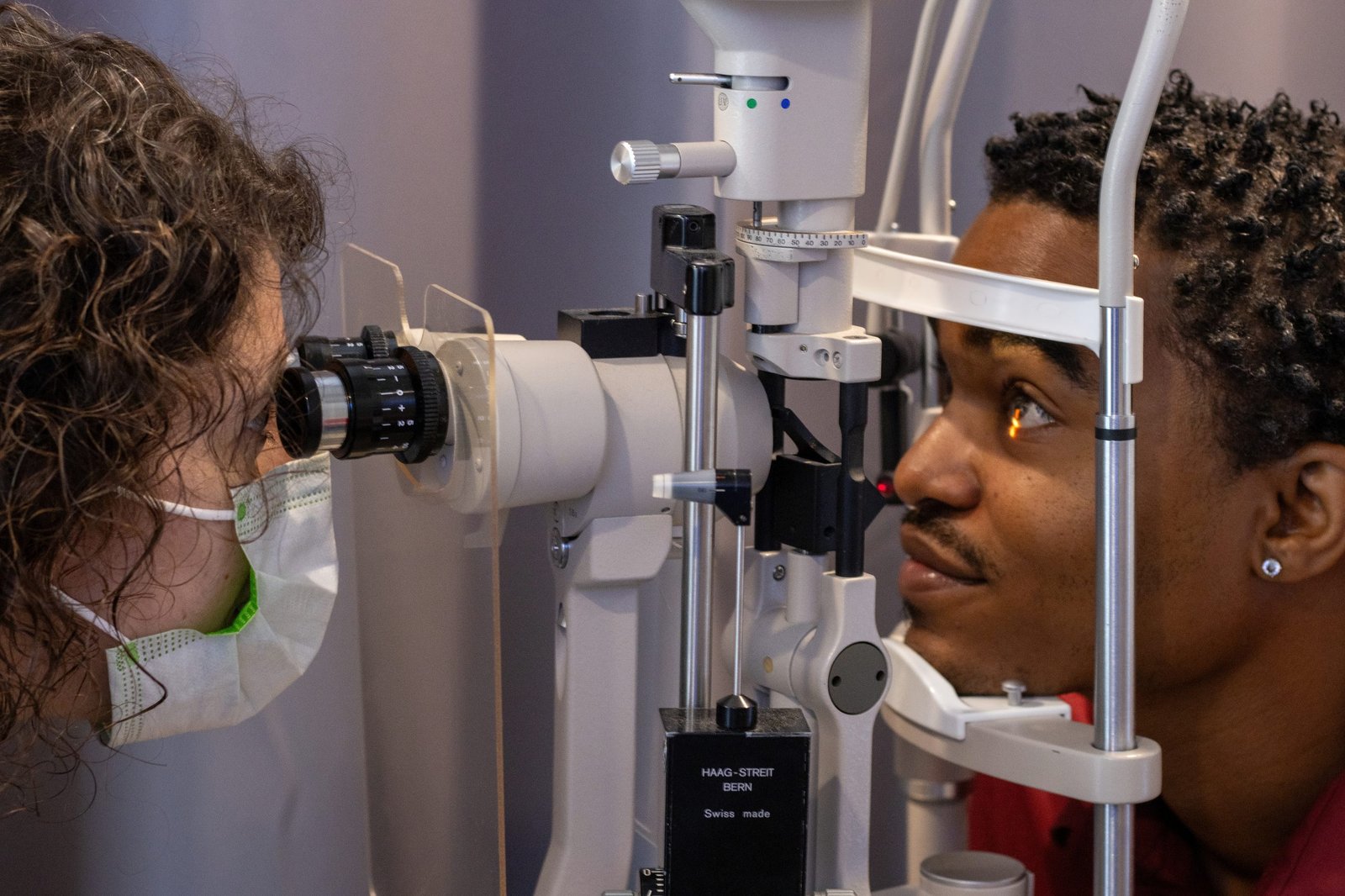
Medical practitioners use specialized bright lights to illuminate the back section of the human eye. When trained medical professionals look into your pupil, they clearly see these internal nervous system parts. The bright light bounces off the inner walls, so the examining doctor gets a highly detailed view. If the internal structures appear completely healthy, the provider records a clear baseline for future medical comparisons.
The sensitive retina sits at the back, and the optic nerve connects directly to the human brain. A noticeably pale or damaged optic nerve may indicate an autoimmune disease. If the optic nerve looks swollen, it signals unusually high fluid pressure in the human skull. Attending doctors document these physical changes, but they rely on full medical blood tests for complete diagnoses.
Dilating Eyes
Eye drops are used by doctors to widen your pupils for the examination. The doctor applies the medication, and your eyes react quickly and dilate. Because the pupil expands, the provider views the entire retina. When the drops take effect, more light enters the eye, and this widened view exposes the back of the eye.
Observing Blood Vessels
Diabetes weakens inner eye vessel walls over time, and hypertension causes them to stiffen up quite significantly. Because these delicate vascular vessels remain clearly visible, practitioners monitor your overall circulatory system very directly. Your human eyes contain a massive interconnected network of very tiny and completely fragile blood vessels. A local doctor easily observes these minute structural changes during a standard routine yearly health evaluation.
When blood sugar levels stay consistently elevated, the human eye quickly grows abnormal new blood vessels. Chronic high blood pressure damages the eye, leading to narrow or blocked blood vessels, and may cause fluid buildup that blurs vision. You might notice vision changes slowly over time, so an eye exam can give your doctor a reliable way to spot these warning signs before symptoms progress.
Identifying Early Signs
High cholesterol leaves visible deposits inside the eyes, so doctors typically can notice them easily. If you have hypertension, small vessels in the eye can kink. Providers track these specific physical changes over time in order to track your progress.
Thyroid conditions may cause bulging eyes. The optic nerve may undergo slight changes, and this signals possible brain tumors. While these signs seem small, they indicate larger bodily conditions that can be detected within the eyes.
While patients feel fine, their eyes tell a different story and may reveal more details. Catching diseases early may help to improve treatment options. Medical professionals spot the issues, but doctors treat them.
Schedule an Eye Exam
Regular exams protect your vision, and they monitor your bodily health. Before physical symptoms appear, a doctor identifies underlying medical problems. Call your local clinic today to book an appointment and schedule a comprehensive eye exam.