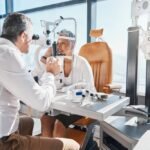
An orthopedic surgeon diagnoses and treats conditions related to the musculoskeletal system, which includes your bones, joints, and muscles. Some people hesitate to schedule an appointment with these professionals due to misunderstandings about their treatment methods. These misconceptions often delay necessary care, and this prolongs physical discomfort. Here are some common myths about orthopedic surgeons debunked:
Surgery Is the First Recommendation
When patients visit an orthopedic clinic, there may be concern that surgery is the only option. Orthopedic surgeons undergo extensive training in conservative treatments, and they typically recommend these options before invasive procedures. Some non-surgical treatment options include:
- Physical therapy: Guided exercises strengthen muscles, improve flexibility, and restore mobility.
- Specialized braces: These devices support injured joints, helping reduce pain and prevent further damage.
- Medication: Anti-inflammatory drugs or pain relievers aim to manage symptoms.
- Targeted joint injections: Corticosteroid injections deliver anti-inflammatory medication directly to the problem area.
- Lifestyle adjustments: Changes like modifying your activity level or diet can alleviate stress on your joints.
Many doctors prefer non-invasive methods because they carry fewer risks and promote natural healing within the body. When non-surgical approaches no longer provide sustained relief, medical professionals will evaluate the need for surgery. A thorough physical evaluation, combined with diagnostic imaging, like X-rays or MRIs, guides the final medical strategy. Patients retain full control over their healthcare decisions during this process; you never have to enter an operating room without understanding available alternatives.
Recovery Is Long and Painful
Surgical techniques advance regularly, and these improvements help reduce post-operative pain for patients. Many procedures use minimally invasive arthroscopic methods, so patients have smaller incisions and less tissue damage. This usually results in shorter hospital stays and quicker rehabilitation. While some discomfort is expected after any procedure, doctors can manage it with multimodal pain control protocols. These address pain from multiple angles, reducing reliance on narcotics and their associated side effects. Patients typically begin guided physical therapy within hours of waking up, and they often return to their daily routines sooner than they expect.
Age Impacts Surgery Candidacy
Older adults sometimes avoid seeking specialized treatment due to the belief that they have aged out of surgical options. Doctors look at overall health rather than a birthdate. A comprehensive medical evaluation determines your physiological readiness for an operation. If a senior maintains good heart health and lung function, they will likely qualify for joint repair. Pre-existing conditions require consistent management, but they aren’t automatically barriers to care. Medical teams evaluate each patient individually to assess surgical safety.
By reviewing your medical history, an orthopedic surgeon develops a customized approach that minimizes risk while maximizing potential mobility recovery. Preoperative imaging refines the surgical plan, and anesthesiology teams tailor sedation strategies to each patient’s health profile. Active seniors can successfully undergo procedures that improve their daily function.
Work With an Orthopedic Surgeon
Navigating bone and joint health requires accurate information and professional guidance from trained specialists. Learning about these common myths and actual medical approaches allows you to make informed decisions about your musculoskeletal care. An orthopedic surgeon provides clear guidance on your condition, and they offer a variety of treatment options tailored to your lifestyle. Schedule a consultation with an orthopedic specialist today to improve your mobility.