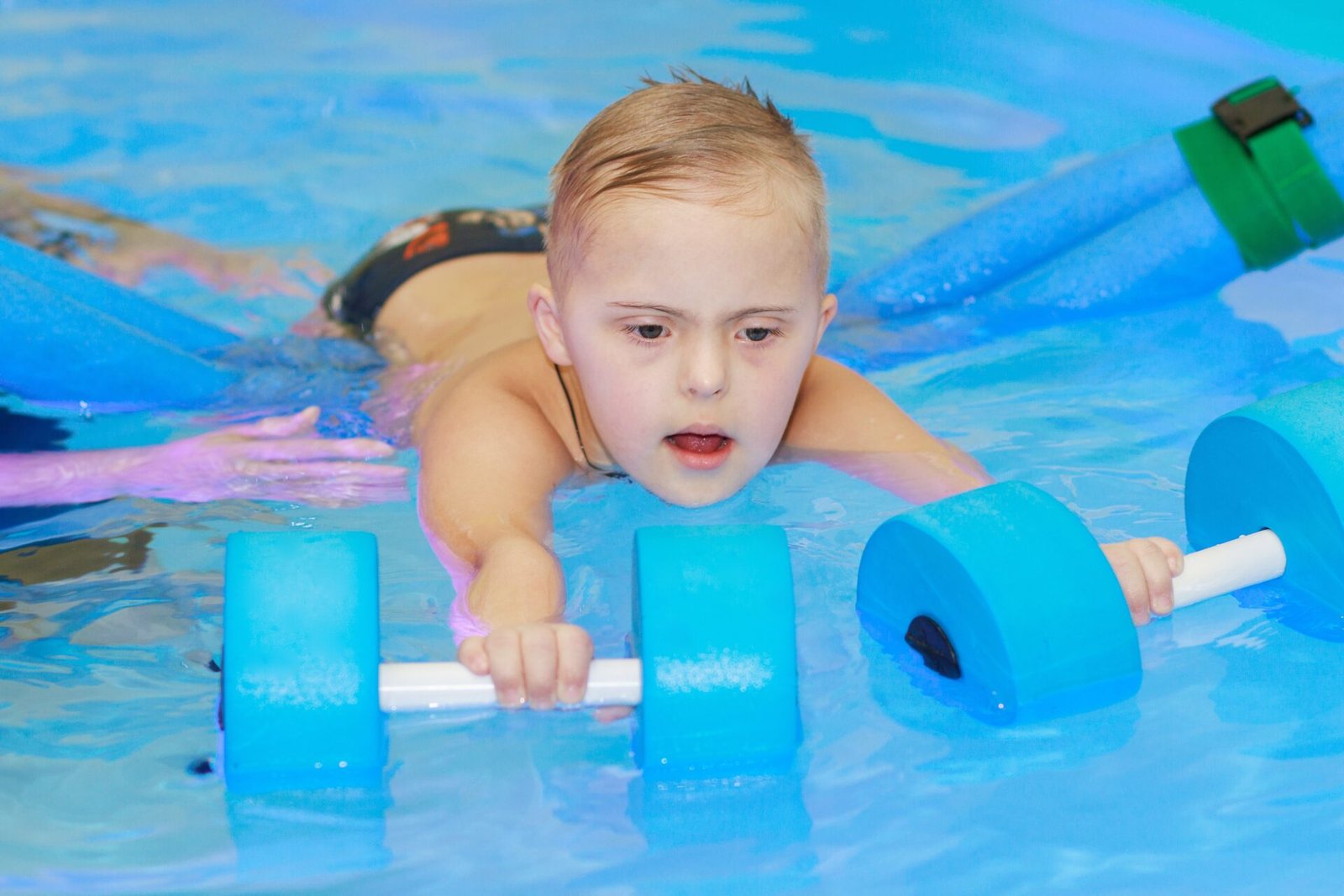
Pediatric orthopaedics focuses on diagnosing and treating bone, joint, muscle, and ligament injuries in children and adolescents. Sports injuries in young patients require careful evaluation because their bodies are still growing and may heal differently from adults. With the right care, children can recover safely and return to physical activity. Here is a closer look at the role of pediatric orthopaedics in treating sports injuries:
Assessing Sports Injuries
Medical professionals use specific diagnostic protocols to evaluate physical damage in young athletes. A pediatric orthopaedics specialist reviews clinical symptoms, and the medical team conducts a thorough physical examination. Here’s how they assess injuries:
- The clinical team gathers health data, and they review family medical records. This step helps to identify underlying physical conditions that may complicate the sports injury.
- Physical exams focus directly on the affected musculoskeletal area. Doctors inspect the damaged joint, and they test the patient’s physical range of motion.
- Diagnostic testing provides internal views of the physical damage. X-rays show hard bone structures, and bloodwork reveals other potential clinical complications.
Accurate medical assessments provide a clear and objective way forward. The gathered clinical data guides the medical staff, and it dictates the next phase of physical intervention.
Supporting Safe Recovery
Biological healing takes time, and medical staff monitors the physical progress closely. Pediatric orthopaedics focuses on restoring joint function without rushing the natural healing process. Medical treatment plans often involve rigorous physical therapy sessions. Trained therapists guide patients through specific exercises, and these controlled movements can rebuild lost muscle strength. Young athletes can regain their physical mobility as they complete these targeted clinical therapy sessions.
Orthopedic surgery remains a viable option for severe physical trauma. Surgeons perform minimally invasive joint procedures, and they repair torn ligaments or shattered bones. Doctors make sure the patient receives appropriate postoperative clinical care so the musculoskeletal system heals properly.
Guiding Growth-Sensitive Treatment
Growing bodies require targeted medical treatments that respect open growth plates. Pediatric orthopaedics addresses these anatomical differences, and it prevents long-term physical developmental issues. Here’s how specialists guide treatment:
- Growth plate protection serves as a key clinical priority. Children possess active growth plates, and severe injuries can disrupt normal bone development.
- Traditional joint operations work well for adults, but pediatric patients need modified surgical approaches. Surgeons adjust their techniques when operating near developing bone structures.
- Ongoing clinical monitoring tracks the long-term healing progress. The biological healing process continues over several months, and doctors schedule regular follow-up visits.
These strategies produce positive medical outcomes. The specialized care protects the vulnerable musculoskeletal system, and it supports normal physical maturity.
Preventing Future Injuries
Injury prevention is a fundamental component of modern sports medicine. Doctors educate young athletes about physical limits, and this objective information reduces the risk of repeated trauma. Proper physical conditioning remains key if a child wants to maintain structural health on the athletic field.
Scheduled rest periods can help prevent common overuse injuries such as tendinitis. Youth athletes need adequate time for physical recovery, and sports coaches should respect these biological limits. Athletic equipment also plays a fundamental role in physical safety. Protective gear shields vulnerable joints from impact, and appropriate athletic footwear supports proper gait mechanics. Parents must check these physical items regularly as their children grow.
Schedule Your Pediatric Orthopaedics Consultation
Proper understanding of pediatric orthopaedics health is fundamental to safeguarding young athletes from injury. Parents and coaches can support safe and healthy athletic development by respecting the body’s natural growth patterns and promoting the use of protective equipment. Contact a qualified pediatric orthopaedics specialist near you to schedule your consultation today.