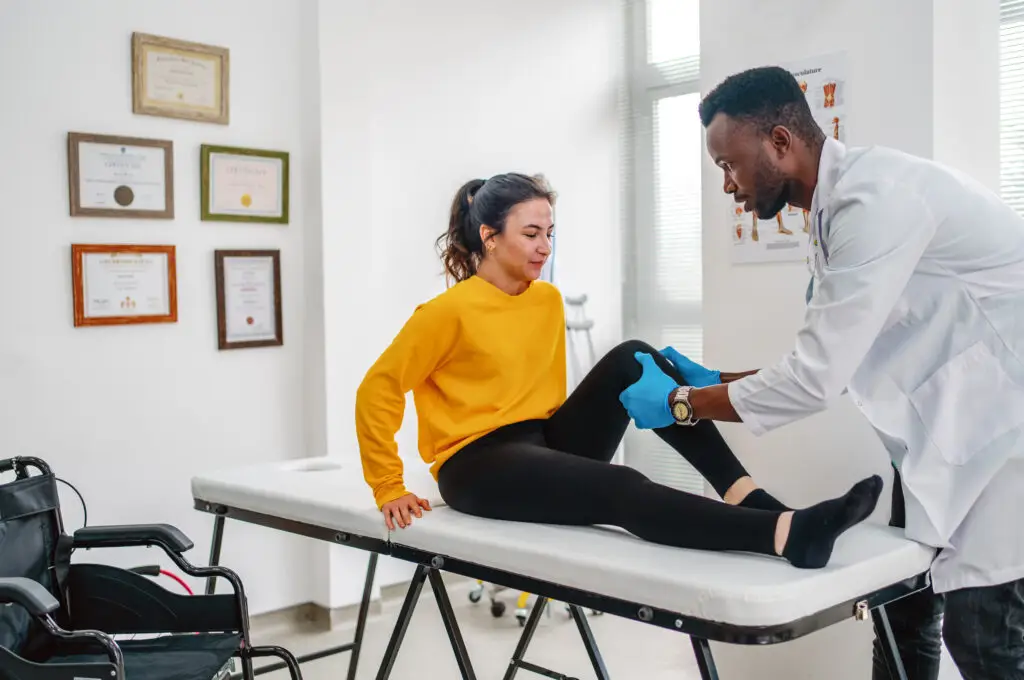
The human body relies on a complex network of bones, joints, muscles, ligaments, and tendons to maintain stability and movement. When this musculoskeletal system experiences trauma or disease, everyday activities can become challenging. Seeking specialized medical attention is a beneficial step toward managing these conditions and maintaining a high quality of life. A dedicated bone and joint clinic provides comprehensive resources for diagnosing and treating a wide range of musculoskeletal issues. This specialized setting allows patients to receive targeted, individualized care from experts who focus entirely on the skeletal system and its supporting structures.
What Is Orthopedic Care?
Orthopedic care is a specialized branch of medicine that is focused entirely on the musculoskeletal system. This system includes the framework of bones and the connective tissues that hold them together. Orthopedic specialists, including surgeons and physical therapists, work together to address issues that disrupt this structural network.
The primary objective of orthopedic care is to restore physical function, alleviate discomfort, and improve overall mobility. Providers approach this by evaluating the underlying cause of a patient’s symptoms, which might stem from acute trauma, overuse, or a progressive disease. Treatment plans are highly individualized, taking into account the patient’s specific diagnosis, medical history, and daily physical requirements. By utilizing a combination of medical expertise and advanced technology, orthopedic professionals guide patients through their recovery processes.
Who Needs Care?
Orthopedic care serves a diverse group of patients, as anyone experiencing musculoskeletal discomfort or mobility limitations can benefit from a professional evaluation. Individuals who sustain sudden injuries, such as fractures, muscle strains, ligament tears, or joint dislocations, may require immediate orthopedic attention. These injuries can occur during sports, workplace incidents, or simple daily activities.
Another significant group of patients includes those managing chronic, degenerative conditions. Osteoarthritis, which causes the breakdown of joint cartilage, and osteoporosis, a disease that weakens bone density, are two prevalent conditions treated at these clinics. Recognizing the signs of musculoskeletal deterioration early allows providers to implement strategies that may slow the progression of these conditions and protect against future injuries.
What Does Care Include?
A specialized bone and joint clinic provides a broad spectrum of services, ranging from initial diagnostics to surgical interventions and physical rehabilitation. The diagnostic process typically begins with imaging. Clinics utilize X-rays, ultrasound technology, and DEXA scans to accurately assess bone density, joint health, and tissue integrity.
Once a provider establishes a clear diagnosis, they will recommend a tailored treatment path. Non-surgical treatments are often the first line of defense. These conservative approaches include physical therapy, which uses massage therapy and targeted exercises to rebuild strength and flexibility. Providers might also utilize orthobiologics, corticosteroid injections, or targeted medications.
Conservative treatments may not provide sufficient relief, so orthopedic surgeons also perform advanced procedures. Clinics offer minimally invasive surgeries, such as arthroscopy, to repair damaged joint structures using smaller incisions and reduced recovery times. For severe joint deterioration, surgeons may perform partial or total joint replacements for the hip, knee, shoulder, and ankle. Other surgical services include ligament reconstruction, Achilles tendon repair, and spinal procedures.
Visit a Bone and Joint Clinic
Taking the next step toward addressing musculoskeletal discomfort involves scheduling a professional evaluation. Preparing for this visit can help maximize the value of the appointment, such as documenting their specific symptoms for their provider. This thorough preparation gives the medical team a clear picture of the patient’s overall health status, allowing doctors to personalize treatment.