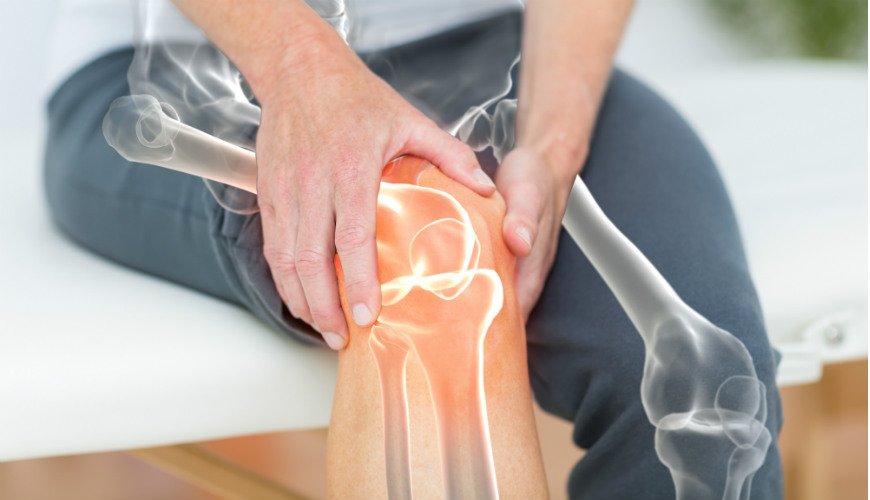
Arthritis is a common diagnosis for joint pain, but it is not the only source of joint issues. Medical professionals evaluate the specific symptoms to determine the exact origin of the pain. A proper diagnosis guides the treatment plan, helping patients manage their daily activities effectively. Here is more information on how arthritis and joint pain are connected:
What Is Arthritis?
Arthritis refers to the inflammation of one or more joints in the human body. This condition encompasses more than 100 types, with osteoarthritis being the most prevalent form. Rheumatoid arthritis is another common variant, but it stems from an autoimmune response rather than from wear and tear. Symptoms typically include swelling, stiffness, and a decreased range of motion in the affected areas.
What Is Joint Pain?
Joint pain is a broader term describing discomfort, aches, or soreness in any of the body’s joints. It can result from acute injuries and chronic medical conditions. Strains and sprains frequently cause this type of localized discomfort, disrupting daily activities. Patients report varying degrees of severity, and the pain can fluctuate throughout the day.
Joint pain does not always indicate an underlying chronic disease. Viral infections can trigger temporary joint aches, which usually resolve as the illness clears. Overuse from repetitive motions also leads to localized soreness, so rest is a primary recommendation. Recognizing the specific triggers helps doctors differentiate between temporary issues and long-term joint diseases.
How Are They Connected?
Arthritis directly causes joint pain through cartilage degradation and the resulting inflammation. When cartilage wears away, bones rub against each other, and this produces discomfort. The body responds with an inflammatory cascade, causing the affected area to become swollen and tender. The underlying disease process of arthritis generates the physical sensation of joint pain.
Joint pain operates as a primary symptom of the broader arthritic disease process. Not all joint pain indicates arthritis, but all arthritis causes some degree of joint pain. Medical evaluations look for specific biological markers, and imaging studies reveal the extent of the joint degradation. This diagnostic precision separates simple joint aches from progressive arthritic conditions, guiding the treatment strategy.
How Is Daily Life Affected?
The physical limitations caused by these conditions alter a patient’s routine, as simple tasks like opening jars or climbing stairs can become challenging. Individuals may require assistive devices. Chronic pain sometimes disrupts sleep patterns, leading to daytime fatigue. Mobility limitations dictate a patient’s activity level, and the patient adapts their environment accordingly.
What Are the Treatment Options?
Medical professionals utilize various interventions to manage symptoms and improve joint function. Physicians administer specific injections based on the location and nature of the pain. Viscosupplementation involves injecting hyaluronic acid into the joint, and the fluid acts as a lubricant for the joint’s moving parts. Sacroiliac joint injections deliver medication directly to the lower back, helping patients relieve pelvic pain.
Additional injection therapies address other specific joint complexes throughout the body. Facet joint injections target the small joints along the spine, and they help relieve chronic back or neck discomfort. Peripheral joint injections treat areas such as the knees, shoulders, or hips by using corticosteroids to reduce swelling. Doctors evaluate the patient’s specific anatomy to determine the most appropriate injection strategy.
Find Relief Today
Arthritis and joint pain require accurate diagnosis and targeted medical intervention. The relationship between structural damage and physical discomfort dictates the selected treatment protocols. Patients have access to multiple therapies, and specialized injections can provide relief in chronic cases. Contact a pain management specialist today to schedule an evaluation.