Back pain affects many people and can disrupt regular schedules and physical mobility. Understanding the mechanisms behind spinal health gives individuals a clearer path toward finding appropriate care from a neurologist. The spine provides structural support for the entire body, making any discomfort in this area an obstacle to daily function.
What Is Back Pain?
The human spine consists of bones, joints, muscles, and a network of nerves. These elements operate in tandem to stabilize the torso and facilitate a wide range of physical movements. Due to this high level of structural complexity, the back remains vulnerable to injuries and wear over time.
When stress or damage impacts any part of this system, individuals experience stiffness, dull aches, or sharp pains. The pain can remain localized or radiate down through the shoulders, arms, or legs. Such discomfort often indicates an underlying issue within the musculoskeletal or nervous system that requires professional medical evaluation.
What Causes It?
Numerous variables contribute to spinal complications; sudden trauma and repetitive motion injuries represent common sources of back pain. Beyond these environmental factors, specific medical conditions directly deteriorate spinal health. Medical professionals may diagnose the following structural abnormalities and degenerative diseases:
- Sciatica: Compression of the sciatic nerve leading to radiating pain down the legs.
- Spinal Stenosis: A narrowing of the spaces within the spine, which puts pressure on the nerves traveling through the spinal canal.
- Disc Herniations: The soft center of a spinal disc pushes through a crack in the tougher exterior casing, irritating nearby nerves.
- Degenerative Disc Disease: The natural breakdown of spinal discs over time, leading to joint pain and weakness.
Physicians rely on advanced imaging technology, such as X-rays, CT scans, and MRIs, to accurately pinpoint the exact location and severity of nerve compression or structural damage.
How Is It Treated?
A neurologist may utilize a variety of strategies to address spinal discomfort and address underlying issues. The specific method chosen depends entirely on the root cause of the patient’s symptoms. Treatment strategies range from implementing certain activities to surgery, including:
- Rest and Activity Modification: Modifying daily activities to avoid heavy lifting or repetitive bending prevents further aggravation of the affected muscles and joints.
- Heat and Ice Therapy: Cold packs reduce initial swelling and numb pain, while heat application relaxes tight muscles.
- Physical Therapy: A physical therapist designs targeted routines that improve flexibility, correct posture, and reduce the likelihood of future spinal issues.
- Medications: Anti-inflammatory drugs reduce swelling around the spinal nerves, while muscle relaxants help ease severe spasms that restrict movement.
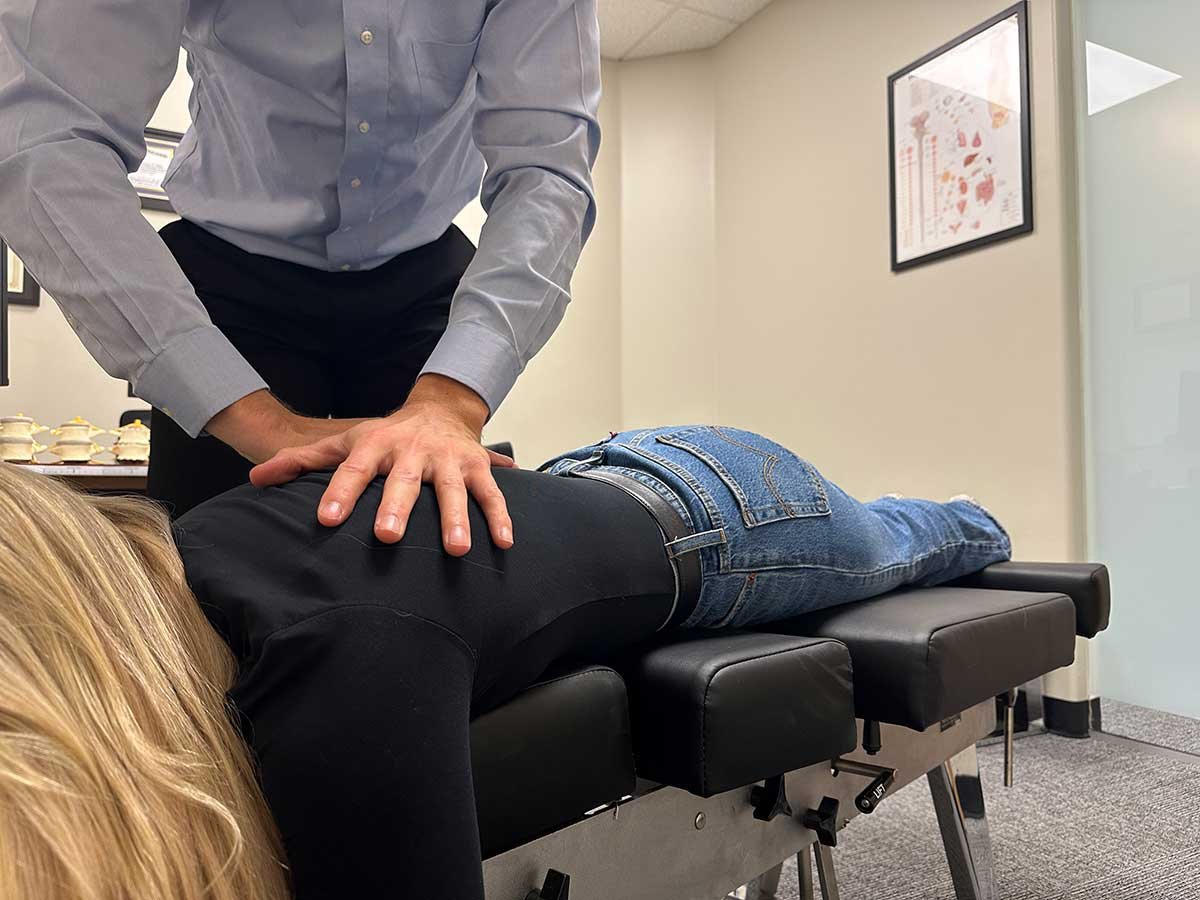
- Wellness Therapies: Chiropractic adjustments aim to correct spinal alignment, while acupuncture targets specific bodily points to alter pain perception.
- Surgery: Surgeons perform procedures like laminectomies to remove bone spurs, discectomies to extract herniated discs, or spinal fusions to connect adjacent vertebrae.
Consulting with a specialist provides access to advanced diagnostic capabilities and customized care plans.
Meet With a Neurologist
Addressing spinal issues requires precise diagnostics before implementing any specific regimen. A medical professional can interpret these imaging results and form a comprehensive understanding of the specific spinal condition. Scheduling a formal medical evaluation serves as the primary step, helping to identify the correct diagnosis and start an effective path toward recovery.