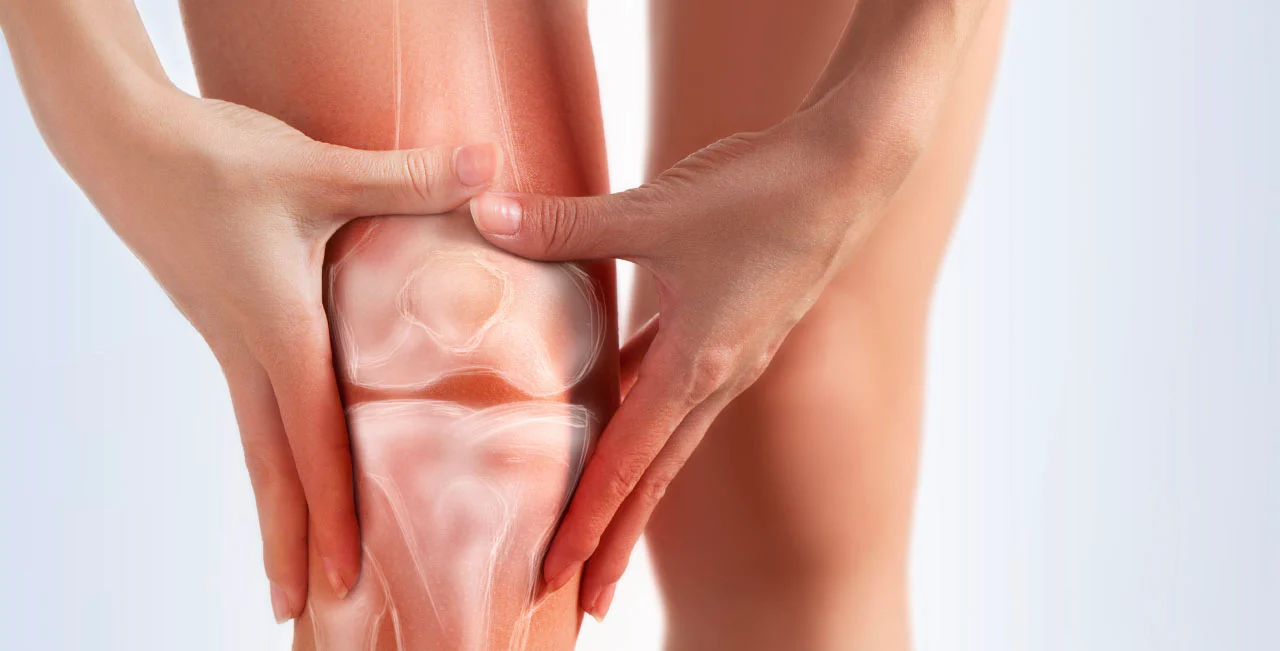
Knee pain has many sources. Some problems involve ligaments or cartilage, and others affect tendons, bursae, or the kneecap. Pain starts after an injury, or it may build over time with repeated stress. If you understand the type of pain, you can better describe your symptoms.
Common Ligament Injuries
Ligament and cartilage injuries often follow twisting, impact, or sudden changes in direction. An ACL tear involves a major stabilizing ligament. You may notice a pop at the time of injury, and the knee often swells soon after. An MCL tear affects the inner knee. This injury often causes knee pain along the inside of the joint, but the severity depends on the extent of the tear. These injuries also lead to weakness or instability, although symptoms vary by location and severity. In some cases, more than one structure is injured at the same time. The knee often feels painful or swollen, and it can be unreliable during walking or turning.
Common Mechanical Problems
Mechanical and bone problems can cause pain, or they make the knee feel unstable. These issues sometimes start with a clear injury, but some develop from movement patterns. Some patterns place extra stress on the joint. Patellar instability can occur when the kneecap shifts out of its normal track, and a full dislocation often causes visible deformity. Some people feel the kneecap slide during movement, while others notice sudden pain. You often notice this pain when standing from a chair, using stairs, or sitting with the knee bent for long periods. While the discomfort often feels dull at first, it can become more constant with frequent joint use.
In some people, weakened bones increase fracture risk, so a minor misstep can lead to injury. A fracture often causes marked swelling, sharp pain, and difficulty bearing weight. The knee may not move normally after the injury. Mechanical issues also include a loose body in the joint. When this happens, the knee often catches, locks, or suddenly stops during bending. Hip or foot pain also changes your gait, and that added stress often increases knee pain.
Common Soft Tissue Conditions
Tendon and soft-tissue conditions often develop from overuse, repetitive loading, or local irritation. These problems often build slowly, and they become more noticeable during exercise or repeated daily movements. Some conditions include:
- Patellar tendinitis: Pain develops below the kneecap and often worsens with stairs, running, or jumping.
- Bursitis: Inflamed fluid-filled sacs cause swelling and tenderness, especially with kneeling or pressure.
- Iliotibial band injuries: Outer knee pain may begin during repeated motion, such as longer runs or rides.
In many cases, symptoms improve when activity is adjusted early. Ongoing irritation limits movement and daily tasks. Some people also feel a snapping sensation on the outside of the knee, which often makes movement uncomfortable. These conditions often start gradually, so early attention to symptoms helps describe the pattern. Your provider will discuss all of your symptoms.
Understand Knee Pain Today
If your knee pain includes swelling, locking, instability, or trouble bearing weight, seek medical evaluation. You should also get care if you cannot fully bend or straighten the knee, or if the pain started after trauma. Treatment depends on the cause. Early evaluation helps define the problem, and a targeted plan can guide safer movement and symptom management.