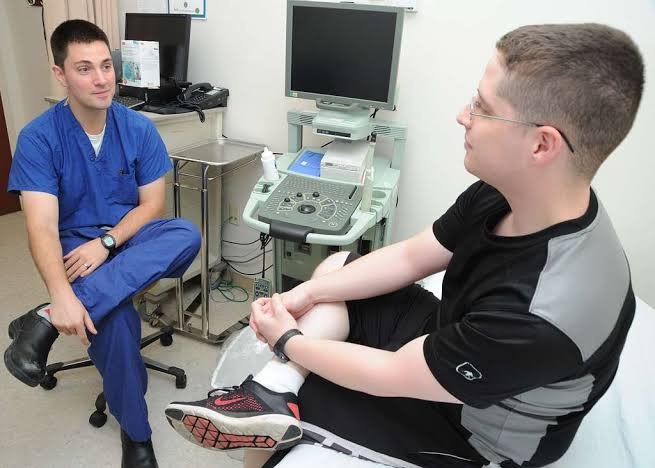
A first appointment with a urologist provides an opportunity to discuss urinary or male reproductive health concerns. The visit typically includes a review of symptoms, medical history, current medications, and other information related to the reason for evaluation. Understanding what happens during a urology appointment helps patients prepare for discussions, examinations, diagnostic testing, and possible next steps. Here is more information about what to expect during your first visit to a urologist:
Preparing for Your Appointment
Preparing for a urology appointment begins with gathering information related to your health and current concerns. Bring relevant medical records and a complete list of medications, supplements, symptoms, and previous treatments. Writing down questions beforehand also provides a reference for topics you want to discuss during the appointment.
Some urology visits include a urine sample as part of the evaluation, depending on the reason for the appointment. Following any preparation instructions provided before the visit helps patients arrive ready for scheduled testing or examinations. Bring your insurance information and photo identification, and arrive early enough to complete any required paperwork.
Completing the Paperwork
A first urology appointment typically includes paperwork covering medical history, previous surgeries, allergies, medications, and current health concerns. Providing complete and accurate information gives the urologist background for reviewing symptoms and planning the evaluation. Some practices provide patient forms before the appointment, allowing patients to complete required information in advance. Checking for available forms when scheduling provides information about paperwork requirements before arriving at the office.
Discussing Your Symptoms
Discussing symptoms gives the urologist information about the reason for the visit and the patient’s current health concerns. Details about when symptoms began, how often they occur, and how they affect daily activities provide useful context. Patients should also mention changes in urinary habits, discomfort, sexual health, or other symptoms related to their concerns.
The appointment also provides time to ask questions about diagnostic testing, treatment options, recovery, and daily habits. Urologists evaluate conditions involving the urinary tract and male reproductive system, including kidney stones, urinary incontinence, erectile dysfunction, and enlarged prostate. Open communication helps organize the information needed for further evaluation and discussions about appropriate next steps.
Undergoing the Examination
A physical examination often follows the discussion of symptoms and medical history during a urology appointment. The areas examined depend on the reason for the visit, symptoms, and other individual health factors. Diagnostic testing also forms part of some evaluations and includes:
- Providing a urine sample for analysis of blood, infection, or other abnormalities
- Completing imaging tests for additional information about the urinary or reproductive system
- Completing blood tests for information related to specific urologic concerns
Test results provide additional information that a urologist reviews alongside symptoms, medical history, and examination findings. The timing of results varies by test, and patients typically receive instructions about when and how results become available.
Planning Your Next Steps
A urology appointment typically concludes with a discussion of examination findings, test results, and available next steps. The urologist explains relevant findings and outlines treatment, additional testing, or monitoring based on the patient’s needs. Follow-up care also includes instructions about medications, lifestyle adjustments, diagnostic testing, or future appointments when appropriate. Keeping track of questions and symptom changes provides useful information for discussions during future visits.
Schedule With a Urologist Today
A first urology visit provides an opportunity to discuss symptoms, medical history, and urinary or reproductive health concerns. The appointment typically includes a conversation, physical examination, and diagnostic testing based on the reason for the visit. Understanding the general process helps patients prepare their records, questions, and other information before arriving. Schedule a urology appointment today to discuss your concerns and learn about appropriate next steps.