Surgery repairs the body, but recovery takes structured effort afterward. Physical therapy is a guided rehabilitation practice, and it uses targeted exercises to help you rebuild function. When you work with a trained therapist, you follow a plan matched to your specific procedure. This is how physical therapy can improve recovery after you undergo surgery:
Restoring Mobility
For some patients, movement becomes stiff after surgery. A specialist assesses your range of motion, and then they design gentle exercises to loosen tight joints. Stretching restores flexibility gradually.
Small daily gains add up over weeks during physical therapy sessions. Since scar tissue forms during healing, early movement keeps joints from locking up. Your medical provider tracks progress at each session, and adjustments follow your body’s response. They also provide guidance on correct posture and techniques to prevent strain during your recovery process.
Alleviating Pain
Post-surgery pain limits how much you move. Manual therapy techniques aim to ease discomfort, and controlled exercises reduce stiffness around the surgical site. In some cases, cold and heat can support these methods.
When pain decreases, you tend to move more freely during recovery. Specialists teach positioning strategies, and they show you how to protect the healing area. Regular sessions keep discomfort manageable throughout your rehabilitation. Some tools support this process:
- Guided stretching within safe limits
- Manual joint mobilization
- Targeted soft-tissue work
Accelerating Recovery Period
Recovery follows its own pace for every patient, depending on their individual case. A therapist sets realistic milestones, and these markers help you track meaningful progress. To do this, structure keeps rehabilitation on course.
When you follow a consistent routine, healing tends to stay organized and steady. Therapists coordinate with your surgeon, and this communication keeps your plan aligned with medical guidance. Adjustments happen when your recovery calls for them.
Since complications sometimes slow healing, early therapy helps identify problems sooner. Your therapist watches for warning signs, and they adapt exercises to protect the surgical site. Attention to detail supports a smoother timeline. Starting physical therapy early keeps your recovery moving forward.
Regaining Strength
Muscles may weaken quickly during periods of rest. Your therapist introduces resistance exercises, and the difficulty increases as your tolerance grows. When you stay consistent, progression stays measured.
Since unused muscles lose mass, structured training rebuilds them over time. A therapist monitors your form, and correct technique lowers your risk of setbacks. Strength returns through consistent, repeated effort.
The following exercises are helpful, and they may appear in strength programs:
- Bodyweight movements like sit-to-stand repetitions
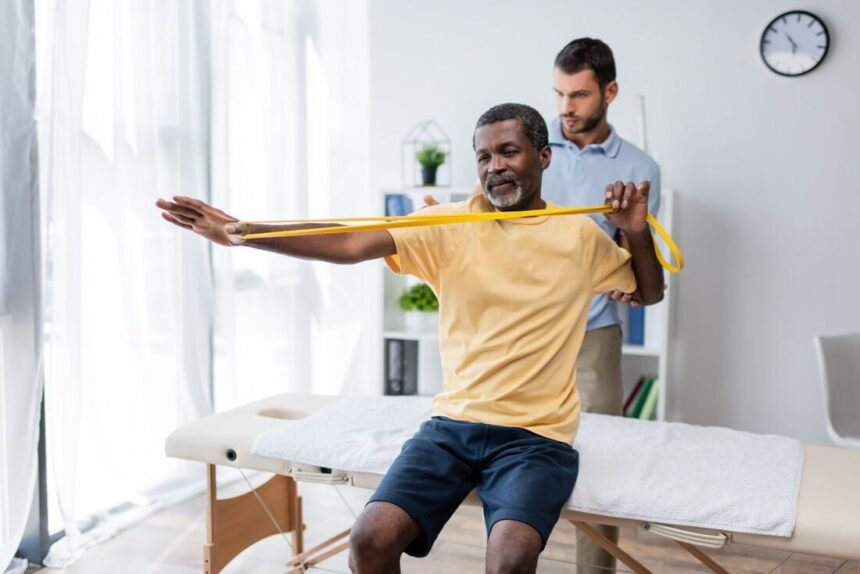
- Resistance band work for controlled loading
- Balance drills that engage stabilizing muscles
Each exercise targets the muscle groups affected by your specific procedure. By combining these exercises with proper rest and hydration, you can support your body’s recovery while gradually increasing endurance and strength.
Schedule Physical Therapy Sessions
Physical therapy gives structure to a demanding recovery process. A therapist guides your treatment, and each element supports the next. Since every surgery differs, a personalized plan fits your specific needs. Talk with your surgeon about a referral, and then book an evaluation with a licensed sports medicine specialist.