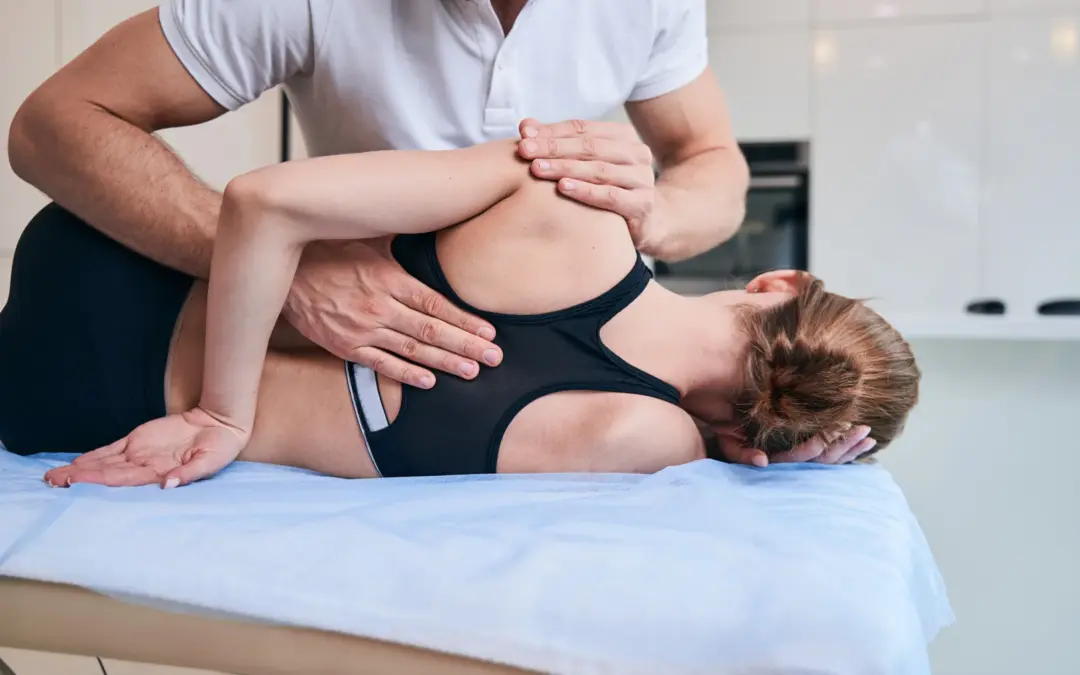
Physical therapy treats movement problems that follow injury, surgery, or ongoing conditions, and various techniques are available. A medical provider assesses how your joints and muscles work, and then they design a plan around your goals. Since each body responds differently, sessions adjust over time to match your progress. Here are some physical therapy techniques and how they might help enhance your mobility:
Active Therapy
Active therapy asks you to perform movements under a specialist’s direction. You complete guided exercises, and your doctor watches your form closely. When you engage your own muscles during a session, your body works through its current range. This physical therapy approach targets strength and control.
Several exercises may appear in active therapy sessions:
- Squats and lunges for the lower body
- Resistance band pulls for the shoulders
- Balance drills on uneven surfaces
Your medical provider selects movements based on your assessment. As progress varies, the difficulty shifts as you gain strength, and repetitions increase gradually. You track each session together.
Passive Therapy
Passive therapy involves treatment applied to you without your active effort. A medical provider moves your joint, or a machine delivers targeted heat and cold. When your muscles stay relaxed during these techniques, the doctor controls the motion fully. This method suits early recovery stages.
Typical passive methods include manual stretching, ultrasound, and electrical stimulation. Your doctor applies these tools, and you rest through the process. Since passive work aims to reduce stiffness in some cases, it opens the way for active exercise later.
Massage therapy is another passive technique used to release tension and improve circulation. It aims to relax tight muscles, which may ease pain and promote better mobility. While massage can be effective on its own, combining it with other treatments, such as stretching or trigger point therapy, may enhance overall recovery outcomes.
Combined Techniques
Most treatment plans blend active and passive methods. A medical provider might start with electrical stimulation and then guide you through mobility drills. Since tissues respond well after warming, this sequence prepares your body for movement. Your plan reflects your specific needs.
The combination gives your doctor flexibility across a single session. You receive hands-on treatment first, and active exercise follows. When both methods appear in one plan, the medical provider monitors how each affects your range and comfort.
Improved Mobility
Mobility describes how freely your joints move through their range. A doctor measures this range, and they compare readings across visits. Since gains build slowly, consistent attendance shapes the pace of your recovery. Your effort between sessions matters too.
Home exercises support the work you do in the clinic. Your doctor assigns specific movements, and you repeat them on scheduled days. When you follow the plan at home, the medical provider adjusts your program using your reported results.
Progress typically manifests in small, measurable steps:
- Fewer degrees of stiffness in a joint
- Longer walking distances
- Easier daily tasks like reaching or bending
You and your cotor might review these markers together. Since numbers guide the plan, the medical provider changes your exercises as your range shifts, and each visit builds on the last.
Schedule Physical Therapy Sessions
Physical therapy follows a structured process built around your assessment. A doctor evaluates your movement, and they design a plan with specific techniques. Since bodies respond at different rates, your plan changes as your doctor tracks your range and strength. Contact a licensed medical provider near you to book your first assessment.