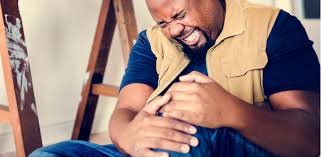
Joint pain affects many aging adults, and it typically impacts their daily activities. The human body naturally ages, and your connective tissues gradually change their internal structures. Because this internal joint tissue continuously wears down over several decades, you may feel intense physical stiffness. Here is more information about the link between age and joint pain:
Chronic Inflammation
Even though the natural aging process is completely normal, severe bodily swelling can cause joint pain and impact your ability to perform daily tasks. Persistent physical redness clearly indicates ongoing internal joint distress within your aging lower limbs. Your surrounding tissues rapidly become very warm, and your sensitive nerve endings send sharp pain signals.
Degraded Cartilage
Healthy cartilage actively protects your entire skeletal system, but time relentlessly degrades this flexible bodily tissue. When this protective padding eventually thins, your exposed bones painfully rub against each other during basic physical movements. This constant internal friction creates daily discomfort for many aging individuals throughout their retirement years. Physical damage steadily accumulates within the aging joint spaces, so your knees gradually grow stiff.
While highly specific medical treatments exist today, missing joint cartilage requires medical care. Your knees consistently bear heavy physical loads throughout your active adult human lifetime. Walking long distances eventually becomes difficult, and standing in one place for long periods hurts your aging legs. If the underlying structural damage rapidly worsens over time, exceptionally knowledgeable doctors eagerly suggest new physical therapies.
Natural cellular repair slows down in older adults without any warning. Unavoidable natural wear happens to everyone, yet meaningful pain relief definitely remains a very strong possibility. As your protective cartilage breaks down, swelling may begin to plague your lower limbs. Performing gentle daily movements supports the remaining healthy tissue inside your naturally aging physical joints.
Reduced Lubrication
Fluid naturally oils your joints, and this helpful liquid steadily decreases with advancing age. Because the natural internal fluid volume drops significantly, your everyday physical movements may feel rigid. Aging human bodies typically produce less of this helpful protective liquid each passing year. Your joints quickly lose their protective moisture, so they may creak loudly during basic morning stretches.
Unless you consciously stay perfectly hydrated every day, your physical stiffness may increase beyond perfectly normal levels. Excessively dry physical joints heavily restrict your natural daily mobility inside your own perfectly comfortable private home. Fresh drinking water deeply nourishes your joints, but natural aging definitely complicates the absorption of healthy internal bodily fluids. When natural joint lubrication utterly fails, surprisingly simple household tasks suddenly become incredibly tough to finish alone.
Reduced Cellular Repair
As you get older, your body’s ability to repair itself slows down. This natural decline in cellular repair means that the cartilage and tissues in your joints don’t heal as quickly as they used to. Over time, this slow repair process can lead to the gradual breakdown of joint tissues, causing pain and stiffness. Supporting your body’s natural healing can make a difference.
- Eat a balanced diet rich in vitamins and antioxidants.
- Get plenty of sleep to allow your body time to rest and repair.
- Avoid activities that put excessive strain on your joints.
Get Treated for Joint Pain
If you consistently experience severe physical discomfort, seek professional medical advice from a qualified expert. Trained medical professionals typically offer targeted physical relief options to help you manage pain. Call a local family doctor today and schedule a personal physical medical examination. While growing much older eventually causes some unavoidable pain, proper medical treatment provides relief.