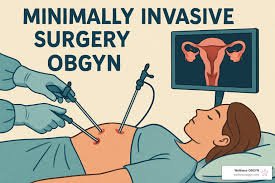
Minimally invasive surgeons use specialized techniques to perform certain procedures through smaller incisions than in traditional surgery. This approach may offer benefits such as reduced tissue disruption, shorter recovery times, and less postoperative discomfort. It can also involve limitations and risks that vary by procedure and patient needs. Here is a closer look at the benefits and risks to evaluate for minimally invasive surgery:
Exploring Surgical Benefits
Medical professionals recognize several key benefits associated with these surgical techniques. Here are some of the fundamental benefits that minimally invasive surgery provides to patients:
- Smaller incisions: Surgeons make tiny cuts instead of large openings, which reduces tissue damage and scarring.
- Less blood loss: Smaller cuts minimize bleeding during the operation, and patients rarely require blood transfusions.
- Faster recovery: Patients generally return to their normal activities much sooner after minimally invasive surgery.
Patients must discuss these potential benefits with minimally invasive surgeons to determine their physical eligibility.
Understanding Risks and Limitations
Every medical procedure carries inherent risks, and minimally invasive surgery is no exception. Complications can arise during the operation, which may require the surgical team to switch to a traditional surgery method. Patients must think about these potential limitations in advance to develop realistic expectations for the process.
Infection and bleeding remain possible risks, although they happen less frequently than in traditional open surgeries. Equipment failure poses another risk and can significantly delay the procedure; a malfunctioning camera may prolong the surgical timeline. Anesthesia complications also present a general risk during any operative procedure. Patients who have pre-existing cardiovascular issues face a higher risk of adverse reactions during the administration of these medications.
Evaluating Factors That Influence Outcomes
Multiple factors determine the success rate of minimally invasive procedures in clinical practice. The patient’s overall health plays a fundamental role in the recovery trajectory, and pre-existing medical conditions can complicate the healing process. Patients should review the following key factors that can influence surgical outcomes:
- Surgeon experience: Minimally invasive surgeons with extensive training generally achieve better results for their patients.
- Patient health: A healthy immune system promotes faster healing, whereas chronic illnesses can hinder recovery.
- Condition severity: Advanced disease can complicate surgery, increasing the likelihood of extended hospital stays.
These factors interact to shape the final result of the procedure. Medical teams assess each factor thoroughly, and they adjust surgical plans accordingly.
Making Informed Decisions
Gathering accurate information is a fundamental step when navigating treatments. Patients must ask specific questions about the procedure, and they should understand the expected recovery timeline. Patients should bring their medical records to the initial consultation. This documentation gives minimally invasive surgeons a complete picture of your health, and it prevents unnecessary scheduling delays. Reviewing all available alternatives is another key aspect of patient decision-making, and it requires careful thought. Patients should also contact their insurance providers to verify their coverage details.
Consult Minimally Invasive Surgeons Today
Minimally invasive surgery provides significant medical benefits, including smaller incisions and faster recovery times. This approach carries specific risks, and it is not suitable for every patient. Patients must carefully evaluate these factors when deliberating on their healthcare choices. Contact a qualified minimally invasive surgeon near you to schedule your consultation today.