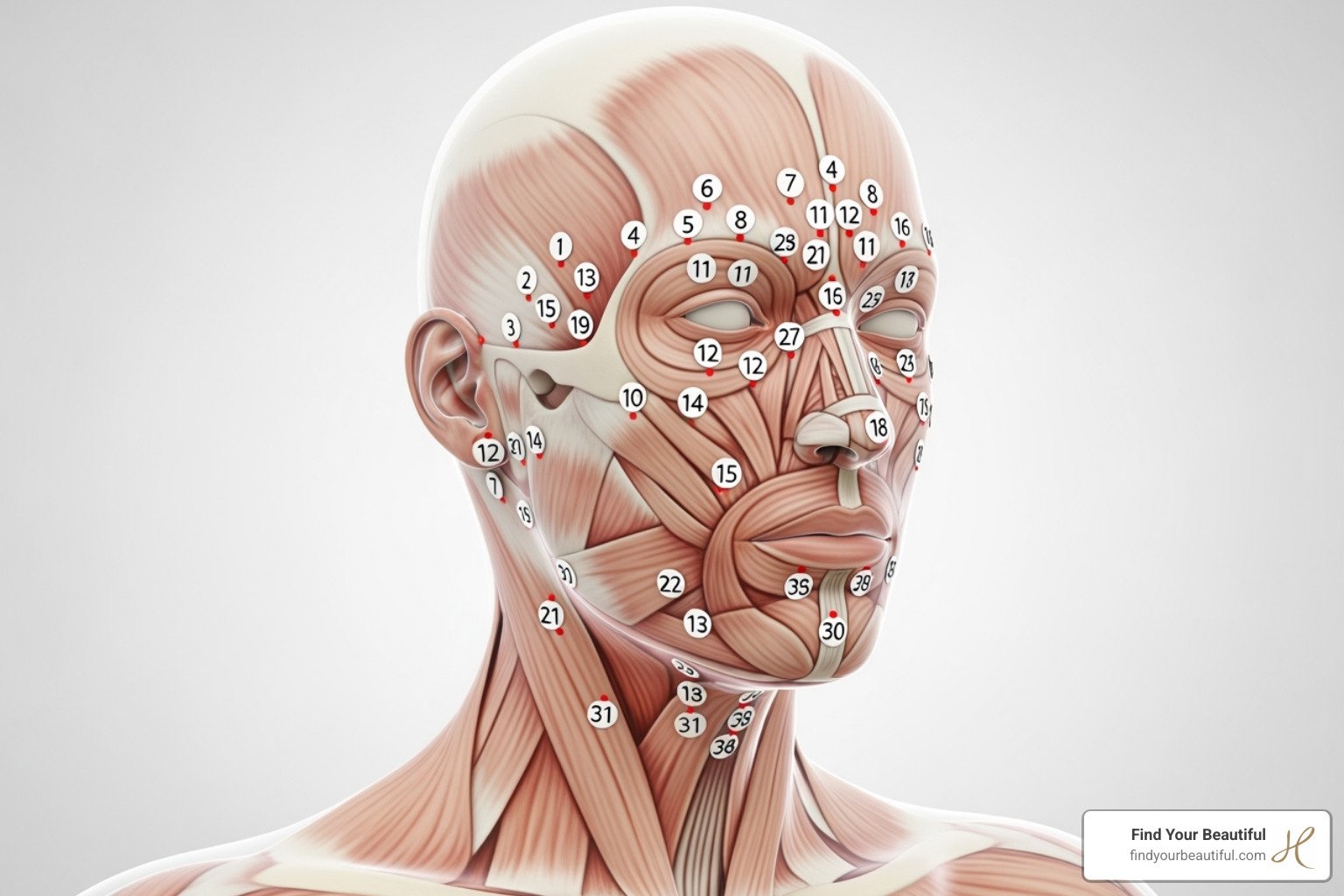
A neurologist is a doctor who treats disorders of the brain and nervous system, and they treat a range of headache types. They diagnose conditions that affect the nerves and develop treatment plans for ongoing symptoms. When headaches keep returning, a neurologist reviews your history and looks for patterns. Here are some signs that it’s time to see a neurologist for headache disorders:
Persistent Pain
Some headaches fade with rest, but others linger for days without relief. Persistent pain that returns week after week signals something worth checking. A neurologist maps how often the pain hits and how long it lasts.
Track your symptoms before your appointment, since clear records help your doctor. Note the start date, the intensity, and the location of each episode. This log gives the neurologist a fuller picture of your condition. Persistent pain may involve:
- Constant throbbing or pulsating pain on one or both sides of the head
- Pressure-like sensation around the forehead or temples
- Severe pain that worsens with physical activity or movement
- Apparent sensitivity to light, sound, or smells accompanying the headache
Overreliant Need for Medications
Over-the-counter pain relievers help many people, though frequent use raises concerns. If you reach for pills more than twice a week, tell a neurologist. Overuse sometimes triggers a rebound cycle that makes headaches worse.
A neurologist reviews your current medications and how often you take them. Share the exact names and doses, and mention any changes you made recently. This information shapes the plan your doctor builds with you.
Some patients build a tolerance, so the same dose stops working over time. A specialist looks at whether your body has adjusted to the medicine. Since dependence develops quietly, an outside review often reveals the pattern.
Disruptive Headaches
Headaches that stop your daily routine deserve attention from a specialist. When pain forces you to leave work or skip meals, the pattern matters. A neurologist evaluates how much your headaches interrupt your life.
Watch for these disruptions:
- Absence from school, work, or family events
- Trouble focusing on simple tasks
- Sleep that breaks apart because of pain
You might notice one sign or several at once, and each one counts. Bring this list to your visit so nothing gets overlooked. Since the details add up, your doctor spots trends faster with your notes.
Dizzy Symptoms
Dizziness paired with headaches points to a reason for a closer look. When the room spins or your balance slips, note when it happens. A neurologist checks whether these symptoms connect to your headache episodes.
Report dizziness right away, since it sometimes signals a deeper issue. Describe the sensation clearly, and explain how long each spell lasts. Your description guides the tests the doctor may order next.
Schedule a Neurologist Visit
Persistent pain, daily disruption, medication overuse, and dizziness each justify a specialist visit. A neurologist studies these patterns and builds a plan around your symptoms. When several signs appear together, an appointment moves higher on your list. Keep a headache diary, and bring your medication details to the office. Call a neurology clinic today to book an evaluation for your headaches.