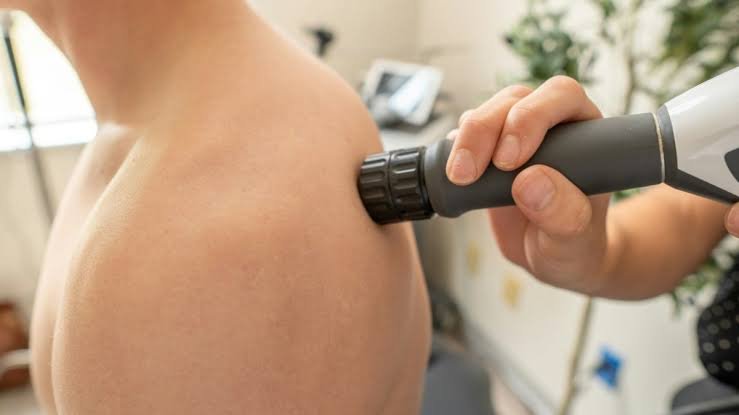
Shoulder pain affects daily tasks like lifting, reaching, and sleeping. Many causes exist, and each responds to specific treatments. Some cases resolve with rest, while others need advanced care, and understanding your options helps you make informed decisions.
Effective Conservative Treatment Options
Most shoulder pain improves without surgery, and starting with conservative care is almost always the right first step. Since your care team tailors each approach to your specific condition, your plan is individualized. Regular follow-up helps your plan stay on track. Common conservative treatments include:
- Rest and cold compresses: Reduce swelling in the early stages and limit stress on the joint.
- Physical therapy: Strengthens surrounding muscles and restores range of motion through targeted exercises.
- Anti-inflammatory medications: Ease pain during recovery and are often combined with other treatments for better results.
- Platelet-rich plasma (PRP): Prepared from a small sample of your blood, this therapy delivers concentrated growth factors to the injured area to support tissue repair.
- Steroid injections: Provide long-lasting anti-inflammatory relief and can reduce swelling enough to make physical therapy more effective.
Common Shoulder Pain Causes
Injuries and wear-and-tear conditions produce most shoulder pain. Overuse strains the muscles and tendons, and repetitive motion often makes symptoms worse. Labral cartilage tears can cause instability, which affects how your arm moves during activity. A torn labrum may result from a fall, sudden impact, or repetitive stress over years. Advanced arthritis damages the joint, leading to stiffness, swelling, and ongoing discomfort. Bursitis is another common source of pain. It occurs when the small fluid-filled sacs that cushion the joint become inflamed. Nerve-related conditions and referred pain from the neck can also contribute to shoulder symptoms. These cases require careful evaluation to identify the true source. An accurate diagnosis guides the right treatment plan, and early assessment helps prevent further damage.
Surgical Treatment Options Available
Surgery becomes an option when conservative treatments fail, and your care team will only recommend it after other approaches have been tried. Your other approaches depend on your goals. Arthroscopic and robotic-assisted techniques repair rotator cuff and labral cartilage tears, and these minimally invasive methods support faster recovery with less disruption to surrounding tissue. Advanced arthritis may require shoulder replacement surgery, where the surgeon removes damaged bone and implants artificial components.
This procedure helps relieve chronic stiffness and discomfort that no longer responds to conservative care, since outcomes are generally strong for patients who are good surgical candidates. Reverse total shoulder replacement helps patients with significant instability or complex rotator cuff damage, and it switches the implant positions. Different muscles and tendons move the arm. This design compensates for damaged tissue, and it allows many patients to regain functional use of the arm. Each procedure aims to restore function and reduce pain, and your surgeon selects the method that fits your diagnosis, activity level, and long-term goals.
Ready for Professional Evaluation
Persistent shoulder pain deserves a professional assessment. On-site X-ray imaging supports fast diagnosis, and the team creates a plan tailored to your needs. Since you can contact the team today, take the first step toward relief and improved function.