A sports injury is an injury that occurs during exercise, training, or athletic activity. Sports medicine focuses on diagnosing and treating musculoskeletal injuries, from initial evaluation through recovery. Sports injuries can result from sudden impact, repeated stress, poor mechanics, or overuse. Here’s information on the role of sports medicine in recovering from an injury:
Supporting Athletes
Sports medicine supports active individuals at any level, and care is not limited to major injuries. It also addresses minor strains, joint pain, tendon irritation, and movement problems that affect performance or daily function. Sports medicine specialists, such as orthopedic surgeons, review personal health factors, including general health history and prior injuries. Clinicians assess how the injury happened, which structures may be involved, and how symptoms affect motion and strength.
Diagnosing Issues
Accurate diagnosis is a key part of recovery from any injury; Orthopedic surgeons begin with a medical history and physical examination. They ask when the pain started, what movements make it worse, and whether there are symptoms like:
- Swelling
- Weakness
- Instability
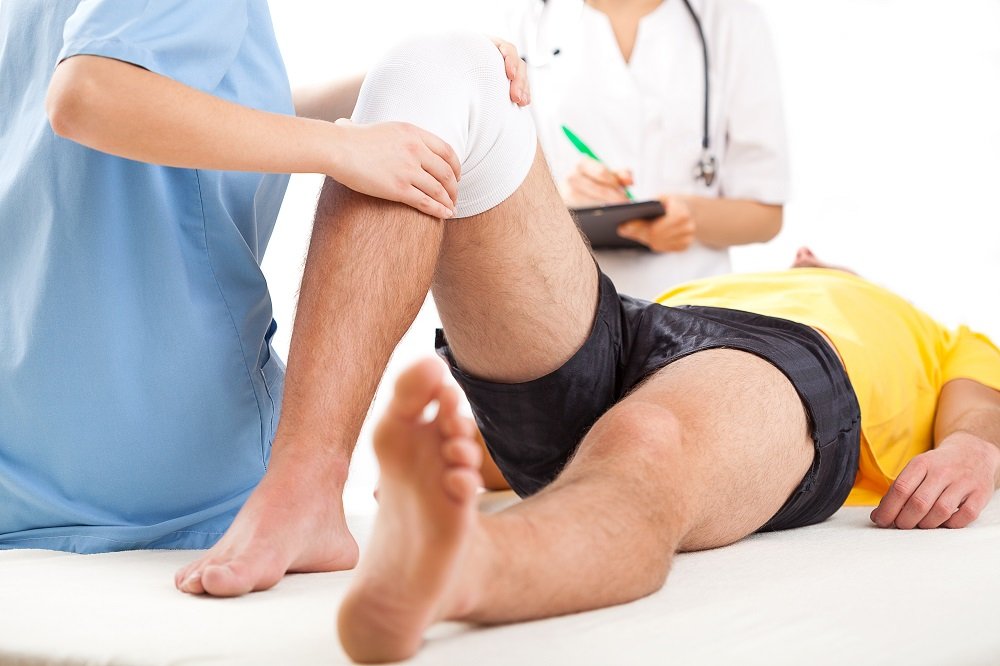
These details help narrow the cause of the problem. The physical exam often includes range-of-motion testing, strength checks, joint stability assessment, and palpation of the affected area. Providers may compare one side of the body to the other, and they often observe functional movements like walking.
Imaging is commonly used by surgeons, as X-rays can help assess bone alignment or fractures. MRIs are another diagnostic imaging option that shows soft -tissue structures such as ligaments, tendons, cartilage, and muscle. Ultrasound can also be useful in certain cases, especially for people who cannot be exposed to radiation. A precise diagnosis guides treatment choices, and it helps set realistic expectations for recovery.
Treating Injuries Effectively
Treatments depend on the type, location, and severity of an injury. The approach often changes over time as healing progresses, but many orthopedic surgeons try conservative treatments first. Physical therapy is a common part of injury recovery. It focuses on restoring range of motion, rebuilding strength, improving balance, and correcting movement patterns.
Physical Therapy
Physical therapy programs are tailored to the injured area and the individual’s activity goals. A therapist may address flexibility, joint control, and muscle coordination. Early sessions focus on basic movement and symptom-limited exercise, but later stages often include more advanced strengthening and sport-specific drills. This progression helps people prepare for a gradual return to regular physical activity.
Medication Management
Medication management is part of a broader treatment plan for effective use. Providers may discuss short-term options for pain or inflammation management based on an individual’s condition, medical history, and activity level. Steroid injections may be recommended to address inflammation in a joint or nearby structure for some people. Trigger point injections may also be used when muscle pain involves tight, sensitive areas. These options are not appropriate for every injury, and they can improve someone’s ability to engage effectively with other treatments, such as physical therapy.
Surgery
Some injuries require surgical assessment, especially when there is structural damage or ongoing instability. Some common musculoskeletal injuries that may need surgery include:
- Ligament Tears
Fractures - Tendon Ruptures
- Injuries That Do Not Respond to Nonoperative Care
Surgery is usually one part of the recovery process rather than the entire solution. Preoperative planning, postoperative rehabilitation, and follow-up visits all play a role in keeping care plans effective.
Visit a Sports Medicine Specialist
Sports medicine has a key role in recovery from musculoskeletal injuries. It combines diagnosis, rehabilitation, symptom management, and surgical evaluation when needed. If pain or limited movement is affecting your exercise plan, an orthopedic surgeon can assess the problem and explain appropriate next steps. Contact an orthopedic surgeon for a consultation today.