The human ear relies on a delicate balance of anatomical structures to process sound and maintain physical equilibrium. One key component in this complex system is the eardrum. When this thin boundary sustains damage, patients can experience noticeable changes in their hearing and comfort levels. Knowing the symptoms of eardrum perforation allows patients to seek timely and focused care.
What Is Eardrum Perforation?
An eardrum perforation describes a specific structural failure in the membrane separating the outer ear canal from the middle ear cavity. This physical barrier normally protects the inner ear from external debris and vibrates to transmit incoming sound waves. When breached, the middle ear becomes highly susceptible to outside infection.
Several distinct mechanisms cause this type of structural damage. Intense pressure fluctuations may lead to barotrauma, a condition often experienced during rapid altitude changes in aircraft or during deep-water diving. Inserting foreign objects directly into the ear canal can easily puncture the delicate tissue, and severe head injuries from accidents similarly fracture the surrounding temporal bone or tear the membrane. Exposure to exceptionally loud noises generates shockwaves capable of instantly tearing the eardrum. Fluid accumulates behind the eardrum during an active middle ear infection, and if the pressure exceeds the membrane’s structural limit, it causes a direct rupture.
What Are the Signs?
Identifying a perforation requires recognizing a specific combination of physical responses. The symptoms routinely mimic other common auditory conditions, making professional evaluation necessary for an accurate diagnosis. Sudden hearing loss often serves as the most immediate indicator. Patients may also report a distinctive pain pattern. A sharp, distinct pain in the ear can occur, and is then followed by a sudden and complete relief of that discomfort.
Following the rupture, fluid discharge regularly appears in the ear canal. This drainage can present as clear fluid, blood, or pus, but it depends on the presence of an underlying infection. A persistent ringing or buzzing sound in the affected ear may accompany the structural damage.
Because the inner ear directly controls physical balance, individuals with a ruptured eardrum can experience vertigo. The brain struggles to process conflicting physical signals; this spinning sensation causes significant spatial disorientation. Nausea and vomiting often accompany vertigo.
How Is It Treated?
Most minor perforations heal independently within a few weeks and do not require invasive medical intervention. During this natural recovery period, patients must adhere to specific care guidelines to facilitate healing and prevent secondary complications. Keeping the affected ear completely dry remains a primary focus. Water entering the middle ear through the perforation may introduce bacteria, leading to secondary infections. Medical professionals advise against any attempts to clean the ear canal during the entire healing process. Patients must also refrain from forceful nose blowing. Excessive pressure in the nasal cavity can transfer directly to the middle ear, disrupting the newly forming tissue.
When an infection accompanies the rupture, a physician prescribes targeted antibiotic therapy. These medications eliminate the bacterial presence and create a safe environment for tissue regeneration. If the membrane fails to heal independently, specialists may implement more direct corrective measures. A physician can apply a patch over the hole during a standard office visit. For larger or persistent tears, surgical intervention becomes the standard approach.
Seek Care From a Specialist
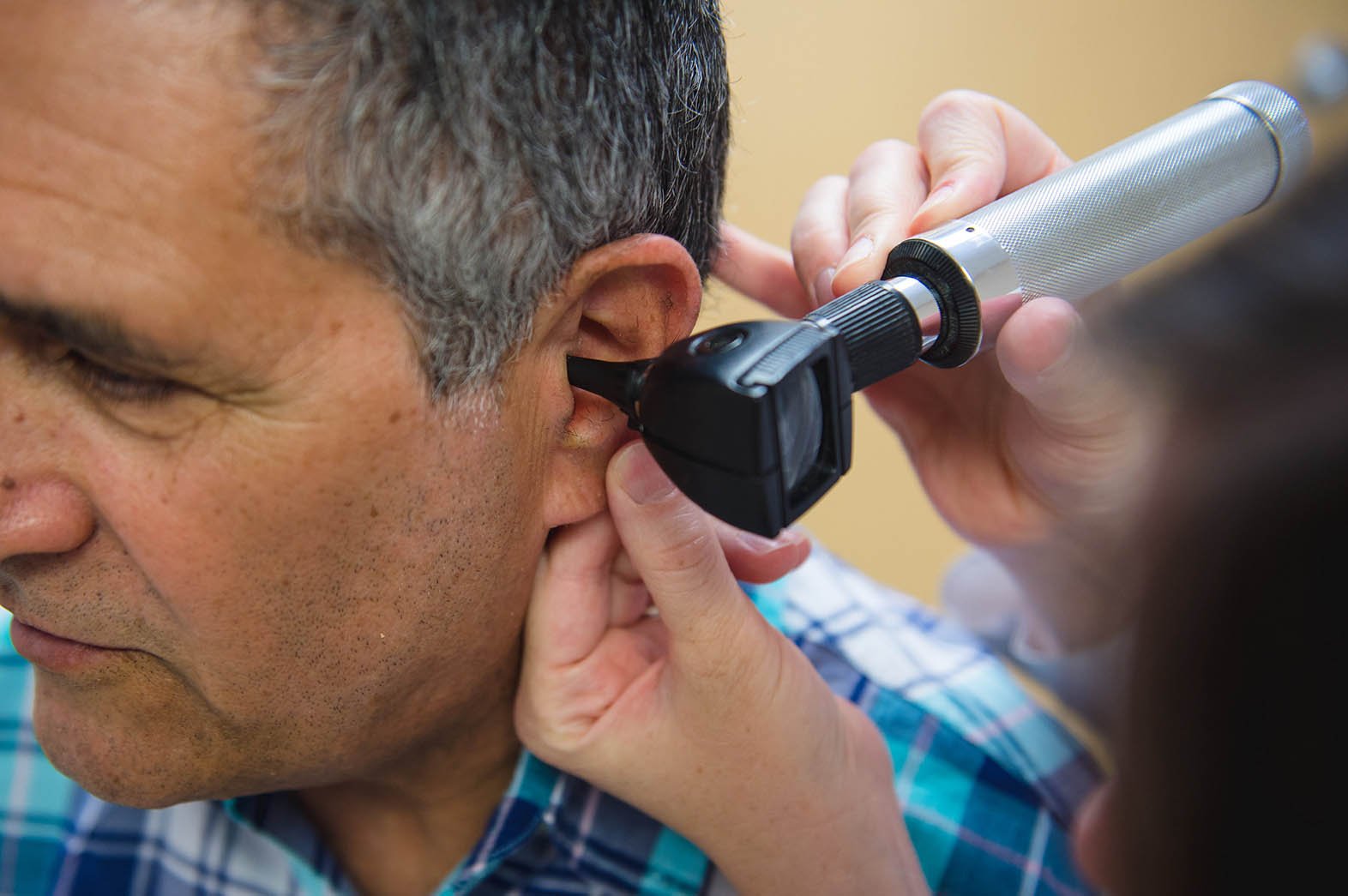
Prompt medical evaluation protects long-term auditory function. If any symptoms of a ruptured eardrum emerge, scheduling an appointment with an otolaryngologist provides the safest path forward. These specialists utilize specialized endoscopes equipped with cameras to visually inspect the ear canal and confirm the diagnosis directly. Relying on professional medical guidance rather than home remedies provides the best outcome for all complex auditory conditions.