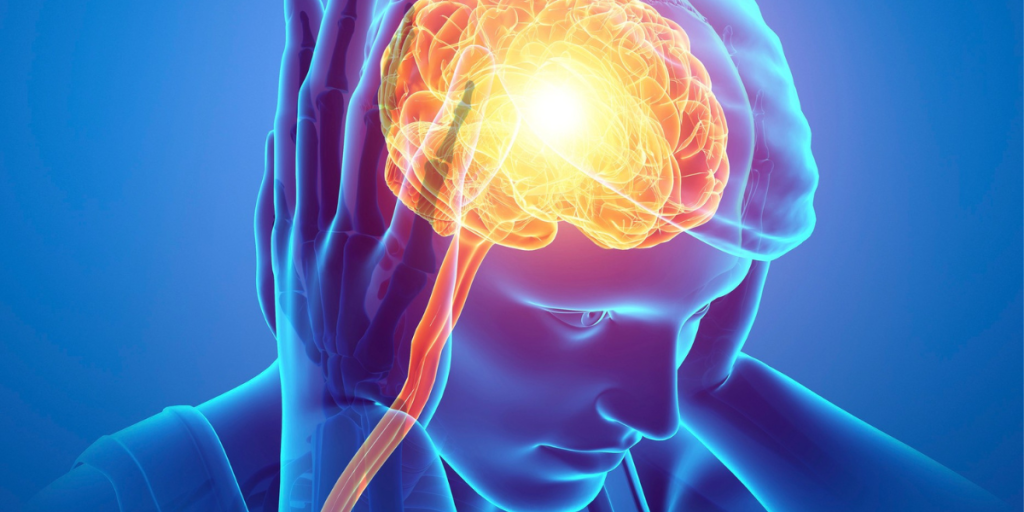
Neurology is a highly specialized medical field, and it focuses on the complex human nervous system. This field of medicine covers the human brain, spinal cord, and nerves. Because neurological disorders require expert medical care, trained specialists diagnose and treat these specific issues daily. Here are some questions you may have about neurology and what it encompasses:
What Does a Neurologist Do?
Neurologists thoroughly identify confusing nerve issues, and they manage many brain conditions when they occur. When nervous system patients present with highly unusual symptoms, skilled doctors use diagnostic tools such as MRIs. They also utilize advanced EEGs for accurate medical readings. These detailed imaging tests reveal hidden nerve damage clearly, and they guide neurology treatment planning.
While these specialized doctors perform many complex diagnostic tests, they certainly do not work alone. They typically collaborate with other dedicated medical specialists quite regularly. A sick patient needs comprehensive overall care, so neurologists may partner with primary care physicians. Because teamwork may lead to better health outcomes, this collaborative medical approach benefits each patient.
How Is My Health Monitored?
Doctors actively check your neurological health through regular office visits. Since ongoing proactive care matters, they routinely order regular diagnostic tests for you when you need them. They consistently track your recovery progress, and they adjust your specific treatments accordingly over time. This continuous medical attention brings clarity to the process.
Detailed symptom tracking helps dedicated doctors, and it guides their ongoing medical decisions. Your personal patient history provides valuable medical context. If your physical symptoms change over time, doctors immediately update your medical file for accuracy. This careful review process prevents serious mistakes, and it keeps your recovery on track.
While older medical methods work reasonably well, modern clinics now use advanced digital tracking software. Digital tools record your daily symptoms, and wearable tech accurately tracks your basic vitals. Modern technology aims to improve patient monitoring for everyone. Because these digital tools provide instant health data, doctors respond to emergencies much faster.
What Conditions Are Treated?
Specialized doctors treat many different painful nerve diseases using various effective medical methods today. Some suffering patients experience severe recurring migraines, and others face daily epilepsy challenges bravely. Because Parkinson’s disease severely affects bodily movement, trained specialists prescribe highly targeted physical therapies quickly. They may treat the following neurological conditions:
- Painful migraines
- Debilitating epilepsy
- Acute Parkinson’s disease
Do They Perform Surgery?
Neurologists readily provide highly effective non-surgical treatments, but they do not perform physical surgery themselves. If a patient genuinely requires an operation, neurologists consult skilled neurosurgeons for help. Trained neurosurgeons treat all complex operative procedures exclusively. Your neurologist typically oversees your general nerve health, and the neurosurgeon performs the actual physical operation.
Find a Neurology Clinic
Because proper neurology supports your overall well-being, you need expert medical advice when these types of conditions are involved. Contact a supportive local neurology clinic today for more information. To improve your overall health, schedule a medical appointment soon to achieve your goals. When you seek professional neurological help, you take control of your future health.