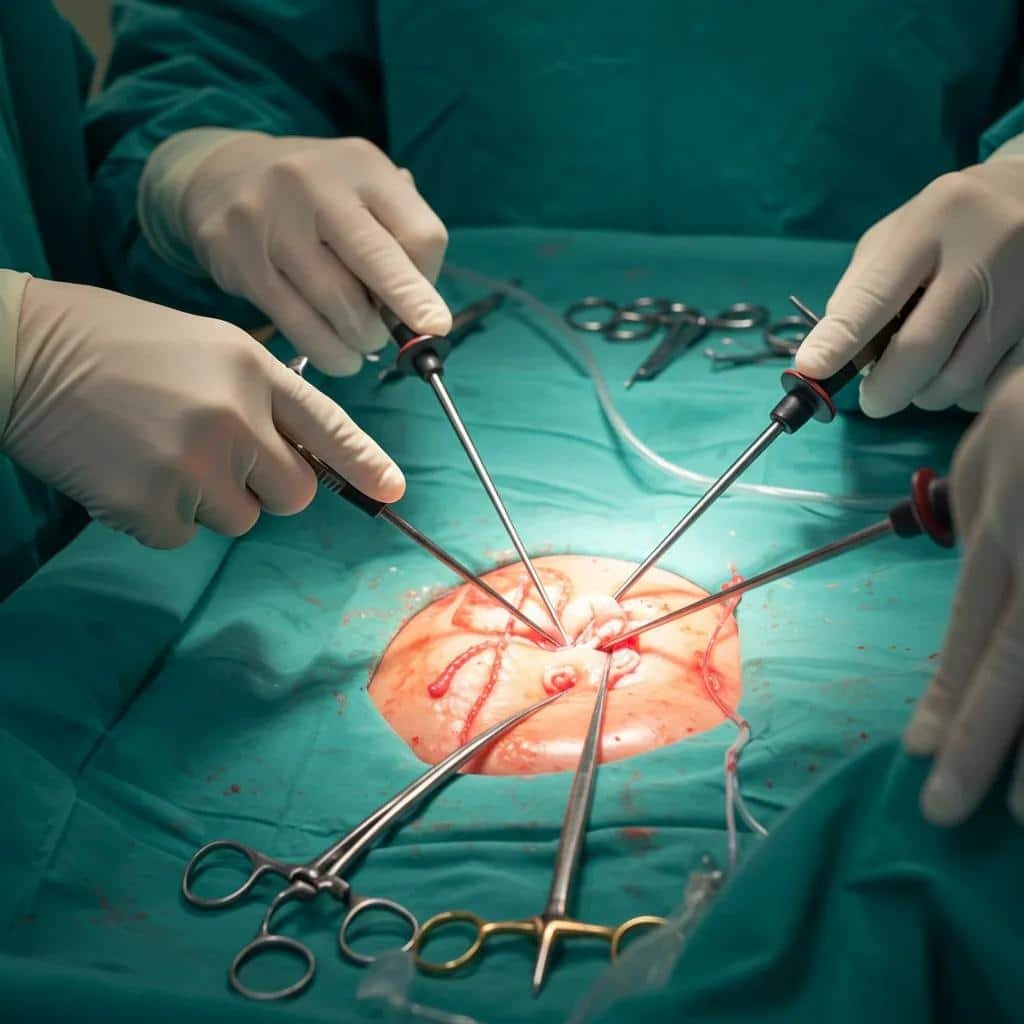
Doctors perform gallbladder surgery to safely treat patients suffering from severe abdominal pain, and the procedure removes the diseased organ entirely. Because the body needs time for complete recovery, patients require proper medical follow-up care. Thorough post-operative guidance directs your physical recovery process toward a highly safe medical outcome. Here is more information about the role of follow-up care following the surgery:
Promoting Safety
Safe daily routines actively protect your healing surgical incisions from accidental physical damage. While you heal at home safely after gallbladder surgery, follow specific physical movement rules very closely. These simple steps aim to prevent wound irritation. The medical staff gives you written instructions, and you practice these specific daily habits:
- Keep bandages dry.
- Wear very loose clothing.
- Rest in bed frequently.
Preventing Complications
After you leave the hospital facility, your surgical team tracks your overall healing process closely. Trained medical staff examine your surgical incisions, and they check for specific signs of bacterial infection. Frequent temperature checks provide clear data about your internal healing progress over several consecutive days. If you notice unusual redness around the wound, call your doctor immediately.
Some abdominal soreness happens normally during recovery, but sudden, severe pain requires immediate medical attention. When patients experience a very high fever, they must contact their surgical team without any delay. Early detection of minor medical issues prevents serious health complications. Your doctor evaluates these physical symptoms, and they prescribe necessary medications for your ongoing comfort.
Follow-up appointments allow doctors to track your internal healing progress very closely. Physicians review your daily physical symptoms, and they update your personal recovery timeline accordingly. While complications may arise, regular clinic visits keep you completely safe during recovery. Your surgical team provides specific instructions for your ongoing daily care routine.
Adjusting Diet
Because your body lacks a gallbladder now, your daily digestive process changes quite significantly. High-fat meals cause severe digestive discomfort, so you must eat much smaller daily portions on a regular basis. Until your digestive system fully adapts, heavy meals upset your stomach very easily.
You introduce solid foods very slowly, and your body adapts to this diet over time. When you eat lean protein sources, your sensitive stomach digests these mild meals very easily. Fiber-rich vegetables support healthy daily digestion during your surgical recovery period. Spicy foods may irritate your digestive tract, so you eat very bland meals initially.
Returning to Activities
Frequent physical rest may help speed internal healing, but gentle daily movement helps prevent dangerous blood clots. Even if you feel physically stronger today, heavy object lifting remains strictly forbidden by doctors. Short daily neighborhood walks help your physical body regain its strength to normal levels. You increase your activity levels slowly, and your energy returns to normal eventually.
Schedule Gallbladder Surgery
If you face ongoing severe abdominal pain daily, professional medical treatment aims to provide adequate physical relief. A medical clinic offers comprehensive surgical evaluations for new patients regularly, and they can help you through the recovery process. Contact a surgery clinic near you immediately, and book your initial surgical consultation today.