Orthodontic treatment does not end the day braces come off. Retainers keep the teeth aligned long after active treatment finishes, and they require periodic replacement to keep working as intended. Knowing when to replace them can help protect orthodontic results, preserving a straight smile. Here is more information on what retainers are, who benefits from them, how they function, and the signs that indicate it is time for a new one:
What Are Retainers?
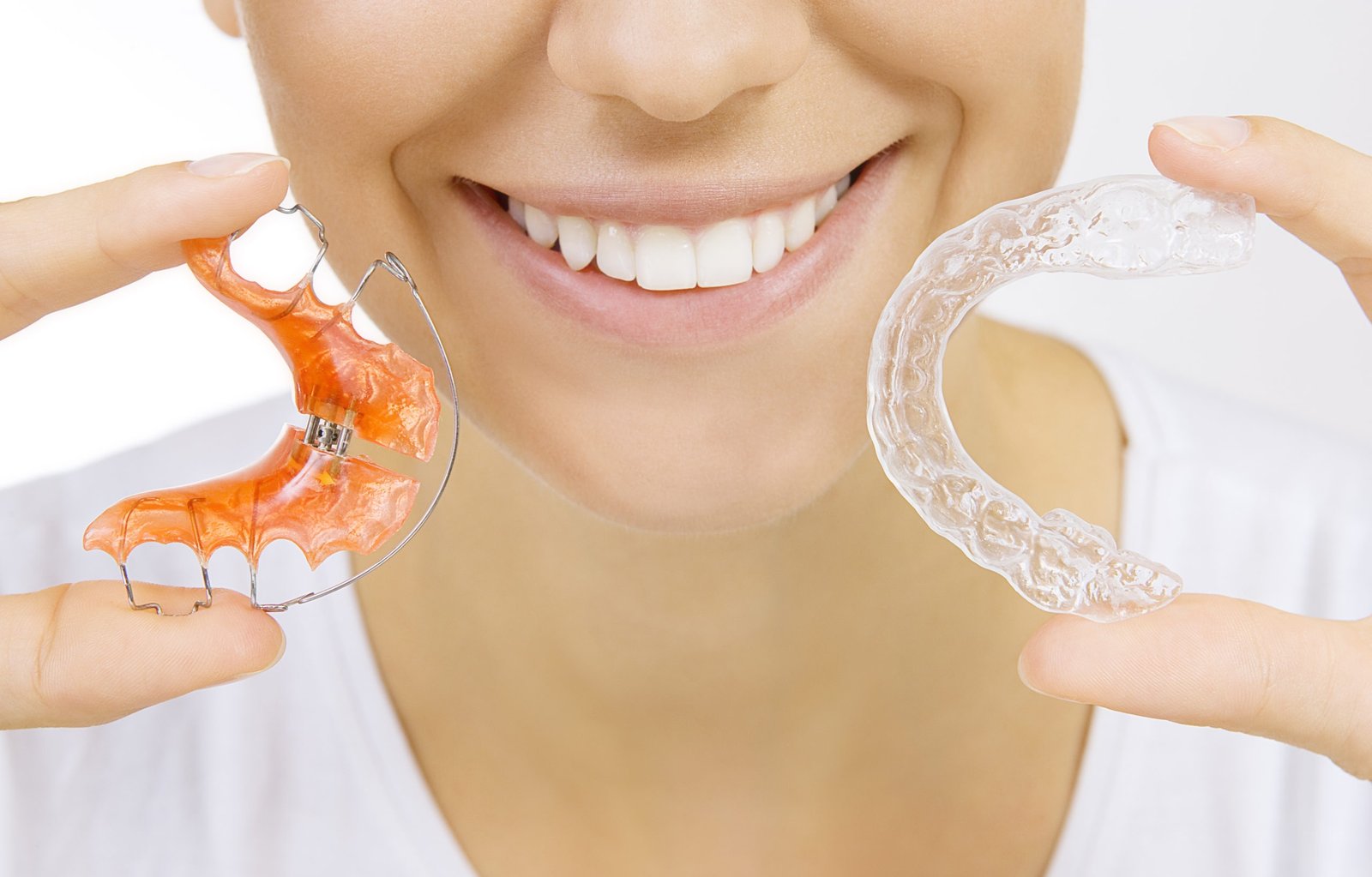
A retainer is a custom-made orthodontic appliance designed to hold teeth in their corrected positions. Dentists and orthodontists fit retainers to the unique shape of each patient’s mouth. The appliance is typically made from plastic, and many are removable. Removable retainers can be removed for eating and cleaning, offering greater flexibility than fixed retainers.
Who Do They Help?
Retainers help anyone who has completed orthodontic treatment with braces or clear aligners. After teeth shift into their new positions, the surrounding bone and tissue need time to stabilize. Without a retainer, teeth tend to drift back toward their original placement; this process is known as relapse.
Patients of all ages benefit from wearing retainers. Younger patients can use them as their jaws continue to develop, while adults rely on them to maintain long-term alignment. Some people also receive retainers to address minor spacing concerns without undergoing full orthodontic treatment. A dentist determines when these devices are necessary, helping preserve a straight smile.
How Do They Work?
Retainers apply gentle, consistent pressure, and they keep teeth from moving out of alignment. This pressure counteracts the natural tendency of teeth to return to their previous positions. The appliance creates a stable environment, enabling bone and ligaments to settle around the corrected tooth arrangement.
The way a retainer functions depends on its type. Removable retainers are usually worn full-time for several months after braces, then they are transitioned to nighttime wear. Skipping days or storing the appliance incorrectly can reduce its effectiveness, leading to unwanted tooth movement. Following the dentist’s wear schedule helps the retainer work as intended.
When Should They Be Replaced?
Retainers wear down over time, and the replacement timeline varies by type. Clear plastic retainers, made from thin thermoplastic material, may last a few years with regular use. Several signs indicate that a retainer needs replacing:
- Visible cracks, warping, or thinning of the plastic or acrylic
- A loose or tight fit that differs from the original
- Discoloration, persistent odor, or buildup that cleaning cannot remove
- A broken wire or detached bonding on a fixed retainer
Daily habits influence how quickly a retainer deteriorates. Exposure to heat can warp plastic retainers, while grinding teeth at night accelerates wear. Regular cleaning and proper storage extend the lifespan of any retainer type. When a retainer no longer fits correctly, teeth can begin to shift, which is why prompt replacement matters.
Consult a Dentist Today
Retainers play a key role in maintaining the results of orthodontic treatment, and they require replacement at varying intervals depending on their type and condition. Watching for cracks, poor fit, and discoloration helps you act before your teeth shift. If your retainer shows signs of wear or no longer fits the way it once did, schedule an appointment with your dentist. A professional can assess the condition of your appliance and recommend a replacement suited to your needs.