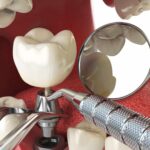
Crowns and bridges are dental restorations used to repair damaged teeth and replace missing ones. A crown fits over an individual tooth, while a bridge spans the gap left by one or more missing teeth. These restorations are able to address a range of dental concerns, and a cosmetic dentist may offer one or both as part of a comprehensive treatment plan. Here’s how each option works and the potential benefits:
Defining Each Restoration
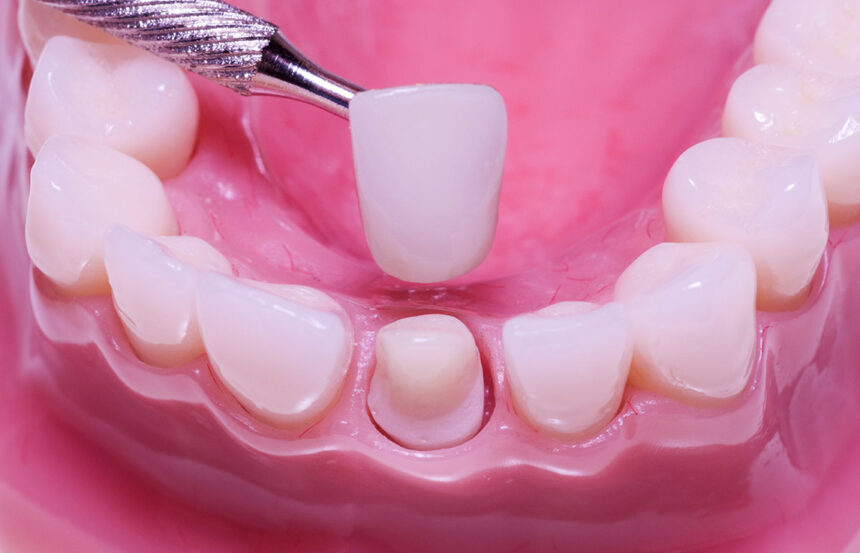
Crowns and bridges work differently; a crown is a custom-made cap that a dentist places over a prepared natural tooth. It covers the entire visible surface above the gumline, rebuilding the tooth’s shape, size, and outer layer. Each crown is designed to match the color and contour of the surrounding teeth, so the result blends naturally into your smile.
Bridges replace one or more missing teeth by anchoring a pontic, or a replacement tooth, to the teeth or crowns on either side of the gap. Your dentist designs the bridge to fit the space precisely, which promotes overall comfort. The finished restoration looks and functions like the teeth it replaces, so you can chew, speak, and smile.
Restoring Teeth With Crowns
Crowns address teeth that have broken down due to cracks, large fillings, or significant wear. The full coverage a crown provides holds the weakened tooth structure together, which a standard filling does not achieve. This makes crowns a practical solution for teeth that need more than a simple repair. The placement process follows a clear sequence; your dentist prepares the tooth, takes an impression, and bonds the finished crown into position. Once in place, the crown restores the tooth’s ability to handle the forces of daily chewing and biting.
A crown can suit a range of situations, and several material options give you flexibility in choosing what fits your needs. Your dentist selects the right material based on the tooth’s location and the demands placed on it. Key advantages of crowns include:
- Protection: A crown shields a weakened tooth from further breakdown.
- Structural restoration: It rebuilds the shape and surface of a damaged tooth.
- Functional recovery: The restored tooth returns to handling normal chewing forces.
- Aesthetic integration: The crown matches surrounding teeth for a seamless appearance.
Replacing Teeth With Bridges
Bridges close the gaps that missing teeth leave behind. Open spaces allow neighboring teeth to shift toward the gap over time; a bridge holds the surrounding teeth in place. A traditional bridge uses crowns bonded to the teeth adjacent to the gap. These anchor teeth support the pontic in the middle, creating a stable, connected unit across the space. Your dentist prepares the anchor teeth, takes impressions, and fits the completed bridge into place. Because a bridge is fixed and non-removable, you maintain it as part of your regular routine. Brushing and cleaning around the restoration each day keeps the area clear and the supporting teeth healthy. This straightforward maintenance makes bridges a practical, long-term option for replacing missing teeth.
Learn More About Crowns and Bridges
Crowns and bridges serve distinct but related purposes, and both play a useful role in dental restoration. A crown protects and rebuilds a single standing tooth, while a bridge replaces teeth that are no longer there. Both restorations are custom-made, integrate with your natural teeth, and restore everyday function. Your specific situation and dental concerns determine which restoration to use. Understanding how each one works helps you have a more informed conversation with your dental professional, as some treatment plans incorporate one or both options. Schedule a consultation with your dentist to review your smile and create a plan that directly addresses your needs.