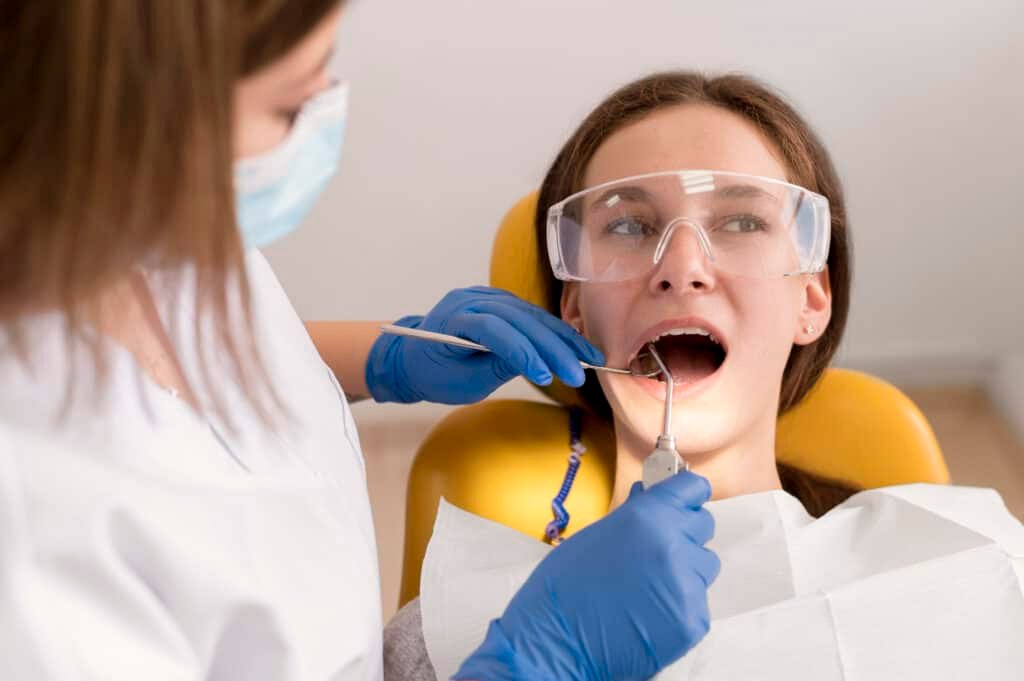
A dental emergency can happen without warning and may involve severe pain, bleeding, swelling, or damage to the teeth and surrounding tissue. In these situations, knowing when to seek immediate care from an emergency dentist can make a significant difference in protecting oral health and preventing further complications. Here is a closer look at what to do during a dental emergency:
Recognize Urgent Problems
Identifying a true crisis helps patients secure proper treatment without unnecessary delay. Some dental issues can wait for regular appointments, but others demand immediate clinical intervention from an emergency dentist. Here are some severe symptoms that require professional attention:
- Knocked-out tooth: A fully avulsed tooth requires immediate reinsertion or proper storage in milk.
- Severe toothache: Unrelenting pain often indicates a deep infection or internal nerve damage.
- Broken crown: A shattered dental appliance leaves the underlying tooth vulnerable to decay.
- Oral bleeding: Profuse bleeding from the gums requires urgent medical attention.
Recognizing these common signs guides patients toward immediate and appropriate clinical care. A timely response minimizes pain, and it often saves the affected tooth.
Take Immediate Steps
Certain actions protect the mouth during travel to an emergency dentist. Individuals should handle a knocked-out tooth only by the crown and rinse it gently with cool water. If the patient places the tooth in milk, they increase the chances of successful re-implantation.
Controlling bleeding is another fundamental step during a traumatic oral event. Patients can apply a cold compress to the face, or they can bite down on damp gauze to manage the bleeding. Once minor bleeding has stopped, the patient can safely travel to the dental office. Pain management keeps the patient comfortable prior to the professional evaluation. Over-the-counter pain relievers reduce discomfort, but patients must never apply aspirin directly to the gums.
Go to the Right Professional
Choosing the correct facility is a key factor in receiving proper treatment. Dental clinics handle tooth-specific trauma, but hospital emergency rooms manage severe facial injuries. If a patient suspects a broken jaw, they must go to an emergency room immediately.
A dedicated emergency dentist has the specialized tools needed for oral restoration. These professionals fix broken teeth, and they treat deep gum infections effectively. Patients who require immediate tooth repair should contact an emergency dentist.
Prevent Further Damage
Patients must make sure they avoid actions that may cause further injury. Certain home remedies may cause further damage, so individuals should follow clinical guidelines carefully. Here are key tips for preventing further complications:
- Avoid hot water: Rinsing a knocked-out tooth with hot water can completely damage the delicate root cells.
- Skip topical pain pills: Placing painkillers directly on gum tissue creates severe chemical burns.
- Leave the root alone: Touching the root of a dislodged tooth destroys key attachment tissue.
- Do not force fits: Pushing a broken appliance back into place damages the remaining natural tooth structure.
Avoiding these common errors is a fundamental part of proper first aid. Patients should protect their oral structures, which gives the dentist a better starting point for repairs.
Contact an Emergency Dentist Now
A quick response to oral trauma prevents long-term health complications. Patients should apply proper first aid, and they should seek professional treatment without delay. The right provider restores damaged teeth and eliminates underlying infections completely. If you experience severe oral pain or trauma, contact a qualified emergency dentist near you for immediate care today.