A rotator cuff tear affects the muscles in your shoulder and their connecting tendons, and clinical treatment aims to restore these structures to normal function. These injuries cause pain during the day, and they severely limit your arm movement at work. Because surgery fixes the torn tissue in the joint, recovering patients need guided physical therapy afterward. Here is more information about the role of rehabilitation when a tear occurs:
Protecting Repair Results
Orthopedic surgeons repair the rotator cuff tear carefully, but the healing shoulder initially remains vulnerable to injury. If you move the recovering arm outside approved angles, the newly repaired tendon might tear again. Professional physical therapists teach specific safe movement techniques for your normal daily activities around the house. You may learn proper lifting mechanics for household chores, and you may avoid strain on your upper body.
When recovering, patients typically wear a medical sling, and the entire shoulder joint rests in a secure position. Strict temporary arm immobilization aims to prevent sudden joint stress during the early phases of the healing process. Natural tissue healing requires extensive uninterrupted time, so you must follow your limits without any exceptions.
Restoring Range of Movement
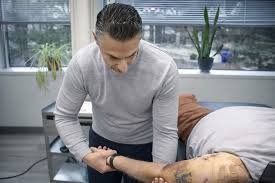
Joint stiffness happens right after major surgical operations on the tendons of the shoulder. Since the resting arm stays still throughout the day, the surrounding joint capsule becomes quite tight. Trained professionals use passive stretching exercises, and they gently move your arm with their hands. While the therapist supports the weight of the limb, the muscles in the shoulder remain completely relaxed.
As the internal torn tissue heals together properly, you may begin active assisted range of motion. You use your uninjured arm for support, or you utilize a wooden wand for guided leverage. These simple mechanical tools safely stretch the tight shoulder joint capsule along a designated motion path. The physical therapist monitors your form during practice, and they carefully correct any incorrect movement patterns.
Patients regain joint flexibility slowly through consistent practice, and they reach higher overhead over several weeks. Consistent physical stretching may reduce your joint stiffness and discomfort. While physical progress may begin slowly, regular practice yields steady gains in joint mobility. Full normal functional shoulder mobility requires strict adherence to this structured program at home and work.
Strengthening Muscles
Your weakened shoulder muscles require targeted progressive physical resistance training for optimal recovery in the clinic. You start with light weights on the first day, and you gradually build local muscle endurance. When your healing shoulder gets stronger overall, you slowly resume your regular tasks at home.
- Lightweight resistance therapy bands
- Stationary static isometric muscle exercises
- Small handheld metal therapy weights
- Assisted vertical wall push-up variations
Reducing Recovery Time
Because guided physical therapy accurately targets specific muscular deficits, your physical healing stays on schedule. Regular physical exercise directly builds internal blood flow to the damaged tissue areas in the shoulder. Unless you skip your regularly scheduled clinic sessions, your estimated timeline for recovery remains highly predictable. You can follow the customized clinical recovery plan, and your body adapts to the strain.
Schedule Rotator Cuff Tear Rehabilitation
Restoring normal physical shoulder function requires hard daily work, so please call our clinic for assistance. If you need guided physical therapy today, our experienced medical team stands ready to help you. Book your initial targeted rehabilitation appointment for expert shoulder care from a team of medical professionals.