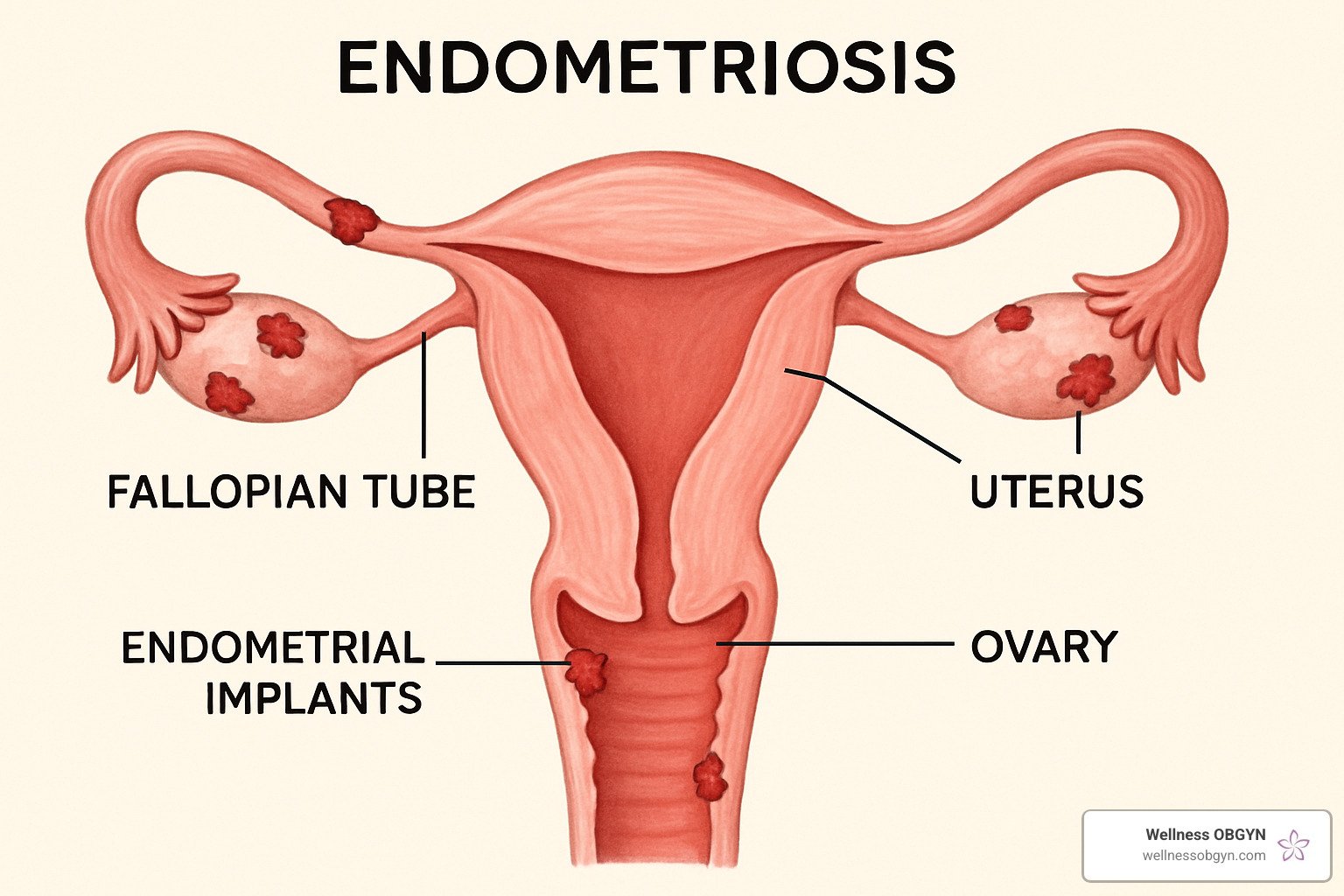
Since many body systems play a role in conception, fertility is shaped by both physical and hormonal factors. Neurological disorders can interfere with fertility, so managing reproductive health requires understanding how neurological conditions impact physical function. Healthcare providers evaluate these interconnected bodily systems to build personalized care plans. Here are some ways to address reproductive health issues in neurological disorders:
Identifying Reproductive Challenges in Neurological Conditions
People living with chronic neurological conditions often face reproductive challenges caused by both physiological and treatment-related factors. Disorders such as multiple sclerosis, epilepsy, and Parkinson’s disease can disrupt neural pathways involved in sexual function and hormone regulation. This frequently leads to hormonal imbalances across patient populations, so normal hormonal patterns that support fertility are disrupted.
Some medications also interfere with oral contraceptives or alter sperm production and ovulation timing. This increases the risk of unintended pregnancies or reduced fertility. Neurological conditions may also cause physical barriers during intimacy; tremors and fatigue often complicate reproductive health. Overlapping issues require ongoing evaluation. By assessing symptoms and their cumulative impact, neurologists can establish a baseline and guide targeted, individualized interventions.
Exploring Therapies for Reproductive Health
Multidisciplinary care teams address neurological disorders through coordinated treatment plans that support reproductive and sexual health. Physical and occupational therapy often reduces spasticity and supports pelvic and core muscle function, and this influences comfort and sexual well-being. Medications treat neurological symptoms while minimizing side effects that affect libido, hormonal balance, or energy levels. Ongoing collaboration among specialists verifies that treatment plans continually adapt as neurological symptoms evolve. Some fertility and neurological treatment approaches include:
Reviewing Fertility Treatments
For patients navigating conception challenges, supportive therapies may be used to help optimize physiological balance during fertility planning. Providers sometimes incorporate:
- Acupuncture: This technique may support reproductive health by helping regulate stress responses and promoting overall physiological balance during fertility care and conception planning.
Electroacupuncture: This form of acupuncture uses mild electrical stimulation; it supports nervous system regulation and helps balance reproductive hormones.
Ozone therapy: This is sometimes used in integrative fertility care to promote oxygen utilization and tissue function when preparing the body for conception.
Dry needling: This technique can help reduce muscle tension and improve physical comfort, which is beneficial during reproductive treatment cycles.
Terahertz Therapy: This non-invasive modality may be incorporated into fertility-focused care to optimize cellular and physiological function during conception planning.
Understanding Neurological Treatments
When managing neurological conditions alongside fertility goals, care typically centers on stabilizing symptoms and optimizing treatment safety. Neurological specialists help with:
- Completing diagnostic evaluations: Detailed assessments, such as clinical exams and imaging, evaluate disease activity and guide treatment decisions that may affect reproductive planning.
Reviewing medication: Some neurological therapies carry risks during conception or pregnancy, so clinicians adjust treatment plans to prioritize both disease control and fetal safety.
Managing symptoms: Treatment may focus on controlling symptoms such as seizures or chronic pain through medical therapies or advanced interventions.
Coordinating with doctors: Neurologists frequently collaborate with fertility specialists and obstetricians to confirm treatments align with conception timelines.
Monitoring condition during pregnancy: Regular follow-ups and neurological assessments help track disease stability, enabling early detection of changes and supporting safer pregnancies.
Visit an Integrative Medicine Clinic
Integrating neurological care with reproductive specialists creates a structured approach to personal health. An integrative medicine clinic provides a central location for both types of medical professionals to collaborate on individual cases. They analyze patients’ complete medical history to recommend available options without setting unrealistic future expectations. Schedule a consultation with an integrative medicine clinic today to discuss your reproductive and neurological needs.