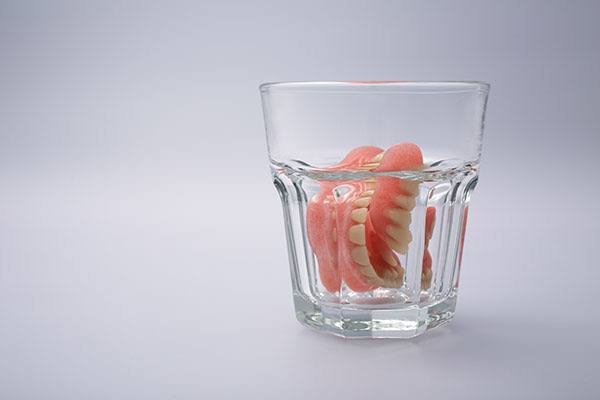
Dentures restore function and appearance for people who have lost their natural teeth, improving their quality of life. These dental devices come in many forms, and proper care extends their lifespan while supporting overall oral health. Here is more information on what dentures are, how they function, the problems they address, and the maintenance routines that keep them in good condition:
What Are Dentures?
Dentures are removable prosthetic devices designed to replace missing teeth and surrounding gum tissue. They come in two main forms: complete and partial. Complete dentures replace all teeth in the upper or lower jaw, while partial dentures fill the gaps left by a few missing teeth. Both types are custom-fitted to each patient’s mouth by a dental professional, enabling proper functioning.
How Do They Work?
Complete dentures rest directly on the gum tissue, and they are held in place by suction. Partial dentures attach to remaining natural teeth using metal clasps or precision attachments, keeping the prosthetic stable during everyday use. Both types are custom-fitted to the contours of the patient’s mouth. This promotes comfort and a natural-looking alignment.
The fit may shift gradually as the jawbone and gum tissue change shape over time. Regular dental check-ups allow a dentist to monitor these changes, and they will adjust the dentures accordingly. A proper fit helps prevent irritation, which reduces discomfort.
What Issues Do They Address?
Dentures serve patients who have lost teeth due to decay, gum disease, or injury. Tooth loss affects a person’s ability to chew food properly, which can impact nutrition and digestion. These dental devices restore these functions, and they support the facial structure that natural teeth help maintain.
Without replacement teeth, the jawbone can begin to deteriorate; this process is called resorption. The surrounding facial muscles may also shift, causing a sunken or aged appearance. Dentures help slow this process by providing the jaw with the stimulation and structure it needs.
Partial dentures serve an additional function by preventing remaining natural teeth from shifting into empty spaces. When teeth move out of alignment, the bite is affected, which may lead to jaw pain or uneven wear on remaining teeth. Filling the gap with a partial denture keeps the surrounding teeth stable and properly positioned, and consulting a dentist helps patients maintain their dental devices.
How Are They Maintained?
Daily cleaning is key to good denture care. Rinse these dental devices after each meal to remove food particles, then brush them thoroughly using a soft-bristled denture brush and a non-abrasive denture cleaner. Soaking dentures overnight in a denture-cleaning solution or plain water keeps the material from drying out and losing its shape. Additional maintenance tips include:
- Remove dentures at night to give gum tissue time to rest
- Handle dentures over a folded towel or water-filled sink to prevent breakage if dropped
- Schedule regular dental visits to check the fit and condition of the dentures
- Avoid using hot water when soaking or rinsing, as heat can distort the denture’s shape
Gently brushing the gums, tongue, and palate with a soft-bristled toothbrush each morning stimulates circulation in the gum tissue and helps remove bacteria.
Learn More From a Dentist
Dentures restore function and appearance for patients who have experienced tooth loss, and understanding how they work, what problems they solve, and how to maintain them properly can improve their performance and longevity. With consistent care, these dental devices can serve patients for many years. If you are looking to learn more, consult a dental professional.