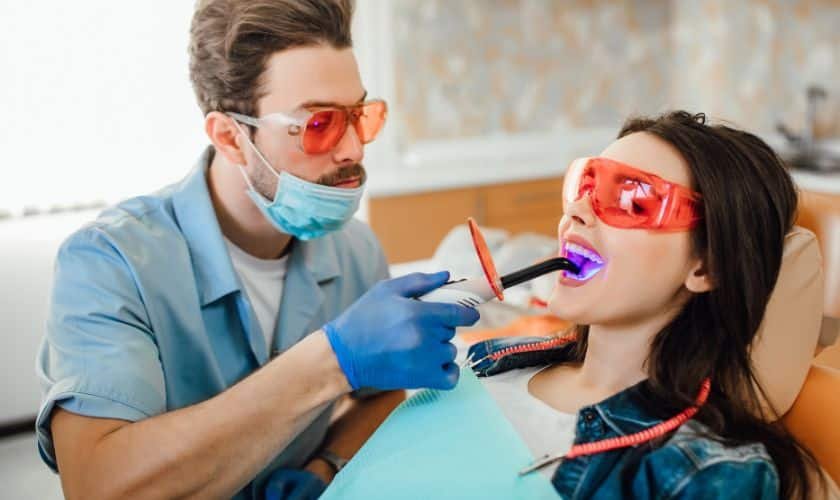
Cosmetic dentistry encompasses a range of procedures that are aimed at enhancing the aesthetic appearance of a person’s teeth, gums, and overall smile. One common issue addressed by cosmetic dentists is tooth discoloration, a condition that affects many individuals, and it can arise from various factors. Here is more information on how cosmetic dentists help patients achieve a brighter smile:
What Are Cosmetic Dentists?
Cosmetic dentists are dental professionals who specialize in improving the appearance of teeth, gums, and the overall smile. Unlike general dentists, who focus primarily on oral health maintenance and disease prevention, cosmetic dentists combine clinical expertise with aesthetics. Their services range from teeth whitening and veneers to dental bonding and contouring. Patients can seek cosmetic dentistry when they experience discoloration, misalignment, chips, or gaps, and consulting a dentist helps identify which treatment aligns with their dental needs and goals.
What Is Tooth Discoloration?
Tooth discoloration refers to any change in the natural color or translucency of a tooth’s surface or internal structure. It is classified into two main categories: extrinsic discoloration, which affects the outer enamel layer, and intrinsic discoloration, which originates from within the tooth itself. Extrinsic stains may be easier to treat, while intrinsic discoloration sometimes requires more advanced intervention.
The appearance of discolored teeth varies widely, necessitating professional evaluation. Some patients experience uniform yellowing across all teeth, while others notice isolated brown spots, gray patches, or white streaks. Recognizing the type and pattern of discoloration helps a dentist determine the most appropriate course of treatment.
What Causes Tooth Discoloration?
Multiple factors contribute to tooth discoloration, and the causes differ depending on whether the staining is extrinsic or intrinsic. Common extrinsic causes include:
- Consuming dark-pigmented foods and drinks such as coffee, tea, and berries
- Tobacco use, whether smoked or chewed
- Inconsistent oral hygiene practices that allow surface stains to accumulate
Intrinsic discoloration has different origins. Certain medications can alter the internal color of developing teeth. Trauma to a tooth can also cause internal bleeding or nerve damage, leading to a darkened appearance over time.
How Can a Dentist Help?
Cosmetic dentists offer a range of targeted treatments depending on the type and severity of discoloration. Professional teeth whitening is an accessible option, and it uses higher-concentration bleaching agents than over-the-counter products. To address more persistent extrinsic staining, dental polishing or microabrasion can physically remove surface deposits.
Intrinsic discoloration typically requires more involved solutions. Porcelain veneers are thin, custom-made shells bonded directly to the front surface of teeth, effectively masking deep staining. Dental bonding uses a tooth-colored composite resin applied to the tooth surface, and it effectively addresses minor discoloration. Crowns may also be recommended when discoloration accompanies structural damage.
Advances in dental technology have made these procedures faster and more precise. Digital imaging tools may allow dentists to preview expected outcomes before treatment begins, and laser whitening systems help shorten appointment times. Patients benefit from personalized treatment plans, which address their unique needs and goals.
How Are Brighter Teeth Beneficial?
Brighter teeth contribute to improved oral health awareness; patients who invest in cosmetic dental treatments may adopt more consistent hygiene routines to preserve their results. Whitened or restored teeth can make it easier for dentists to detect early signs of decay during routine check-ups, as surface staining is no longer masking potential problem areas. A brighter smile also signals overall health.
Seek a Brighter Smile Now
Tooth discoloration is a common condition with a wide range of effective treatments. Cosmetic dentists assess the root cause of discoloration, and they recommend targeted solutions. If you have discolored teeth, consult a dentist.