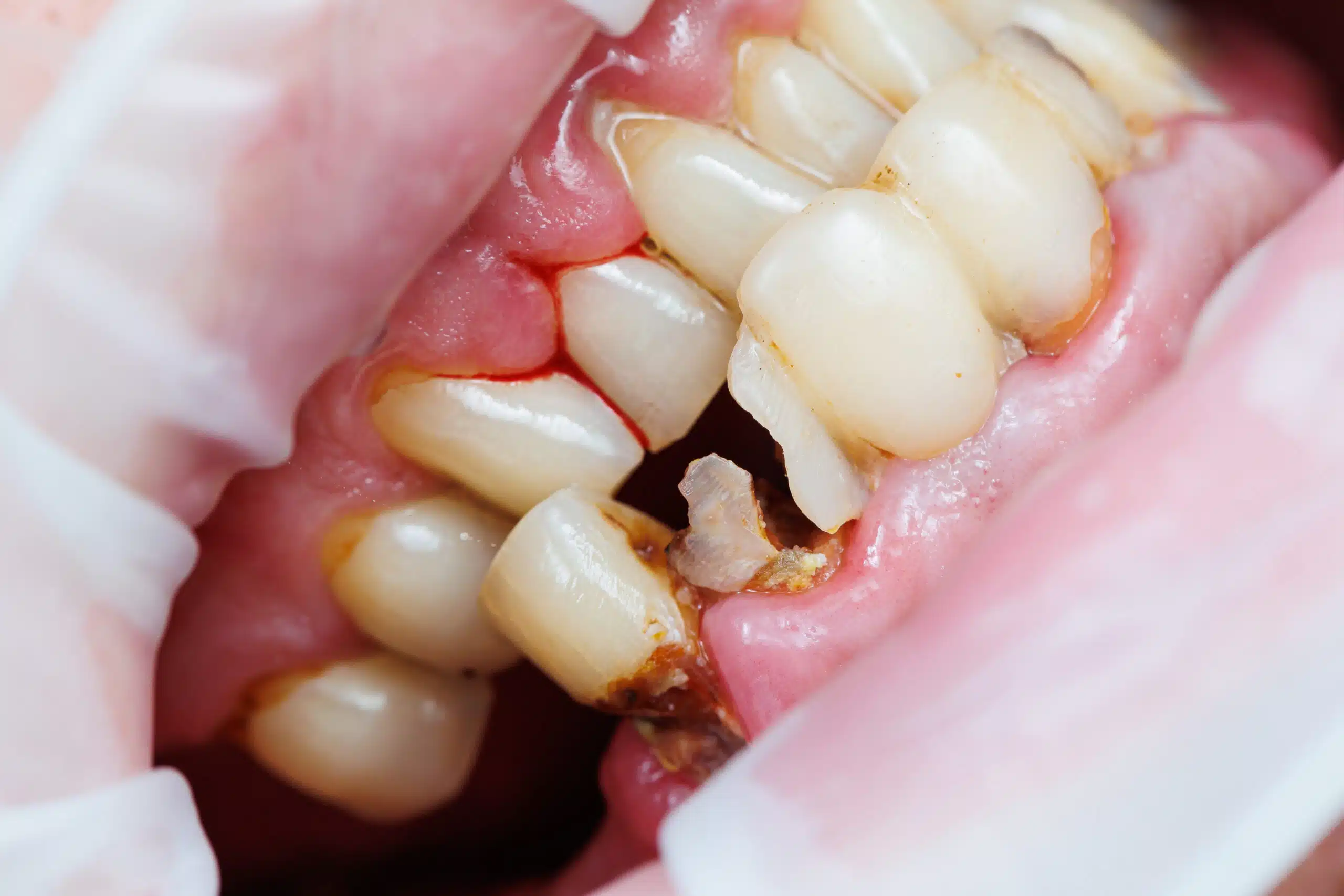
A broken tooth is any tooth that has chipped, cracked, fractured, or split due to damage to its structure. A break may affect only the outer enamel or extend deeper into the dentin and pulp. This can happen from biting hard foods, an accidental fall, a sports injury, or untreated decay that weakens the tooth over time. Some breaks cause noticeable pain, while others go unnoticed until a dentist examines the tooth. Knowing how to respond can help protect the tooth and reduce the risk of further damage before you receive care.
How To Manage Cracked Teeth
A cracked or broken tooth is not always visible, but you might feel discomfort when chewing or sensitivity to hot and cold temperatures. Rinse your mouth with warm water to keep the area clean, and avoid chewing on the affected side until you see a dentist. Apply a cold compress to the outside of your cheek if there is any swelling.
If you notice sharp edges, you can cover them temporarily with dental wax from a pharmacy. Schedule an appointment with a dentist as soon as possible, because early evaluation can determine the extent of the crack. Try to avoid extreme temperatures in food and drinks, since these can increase sensitivity. Keep the tooth clean by brushing gently around it.
How To Manage a Broken Tooth
A broken tooth may show visible damage, such as a missing piece or a rough surface. When possible, save any broken fragments in a clean container, and bring them to your dental appointment for examination. Gently rinse the broken pieces if they are dirty.
To manage the situation at home, follow these steps:
- Rinse your mouth with warm salt water to clean the area.
- Apply gentle pressure with clean gauze if there is bleeding.
- Use a cold compress on the outside of your face to reduce swelling.
- Cover sharp edges with dental wax to protect your tongue and cheek.
- Avoid chewing with the damaged tooth.
Keep the area as clean as possible until you reach a dental professional. Eat soft foods and avoid anything sticky, crunchy, or very hot. Pain relief options available at a pharmacy may help with discomfort, but follow the directions on the packaging carefully.
How To Find an Urgent Service Dentist
When a tooth breaks unexpectedly, you may need to find a dentist who offers urgent appointments. Start by calling your regular dental office, as many practices reserve time for same-day visits. If your dentist is unavailable, search online for nearby clinics that list emergency or urgent dental services. Here are some factors to think about when looking for an urgent dental provider:
- Look for clinics with extended or weekend hours.
- Confirm the office handles dental emergencies.
- Confirm whether they accept your insurance.
- Ask about wait times and availability before you arrive.
You can also contact a local dental association for referrals, or visit an emergency room if you experience severe bleeding, swelling, or trauma to the face. To be proactive before an injury, keep the contact details of a trusted urgent dental provider saved on your phone so you can act quickly when needed. Acting promptly gives the dentist a better opportunity to address the damage.
Manage Your Broken Tooth Effectively
A broken tooth requires prompt attention and careful handling to protect your oral health. By keeping the area clean, managing discomfort, and avoiding pressure, you can maintain better control of the situation until you see a professional. Save any fragments and gather the information you need to quickly locate an urgent-care dentist. Taking these practical steps helps you stay calm and prepared during an unexpected dental event. With a clear plan and timely professional care, you can address the damage effectively and preserve your smile.