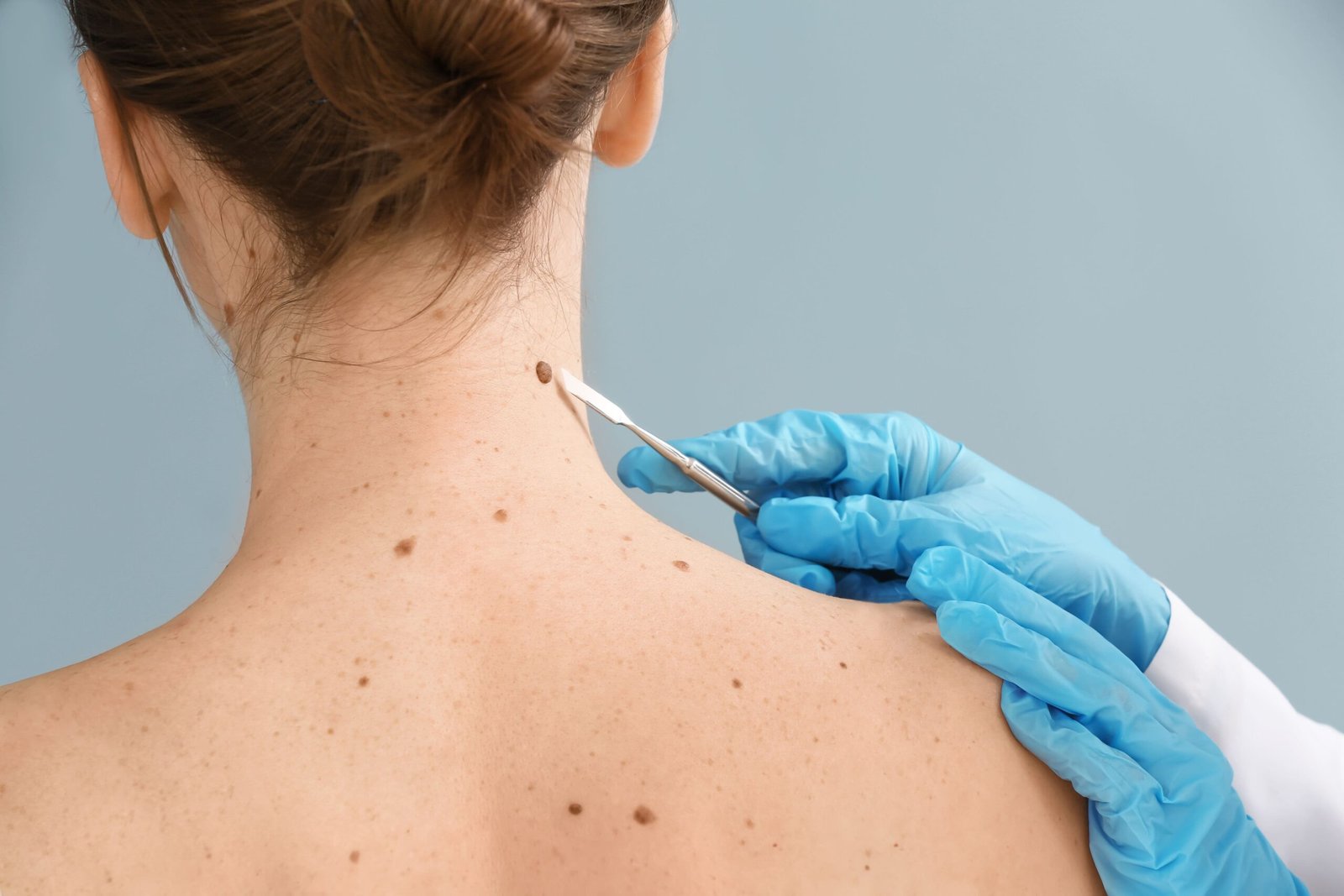
Skin cancer is a common type of cancer, and understanding its different forms is an integral part of recognizing potential risks and seeking timely care. The condition can vary in appearance, severity, and rate of progression, making early awareness valuable. Here is an overview of the different types of cancer of the skin:
Understanding Skin Cancer Classification
Providers classify skin cancer based on the specific cells that undergo abnormal structural changes. The human epidermis consists of multiple distinct layers, and each layer contains unique cell structures. The specific cell type determines the clinical diagnosis for every patient. Medical professionals rely on these classifications to develop appropriate treatment strategies.
Doctors primarily look at the top layer of the skin to identify these cellular changes. They perform physical examinations to detect surface irregularities, and they often conduct biopsies to confirm the exact tissue classification. This methodical approach gives providers the fundamental data they need before they suggest interventions.
Identifying Basal and Squamous Cancer
Basal cell carcinoma forms in the basal cells, which reside in the lower part of the epidermis. Patients often notice a small, pearly bump on sun-exposed areas, and they may also see sores that refuse to heal. Doctors treat these surface lesions using targeted surgical techniques.
Squamous cell carcinoma develops in the flat squamous cells that make up the outer layer of the skin, and it frequently appears as a red, scaly patch. People may notice crusty wounds that do not heal over time. This condition requires prompt medical attention to prevent further cellular damage.
Recognizing Melanoma Types
Melanoma is a less common form of skin cancer, but it carries a higher level of clinical risk. This specific disease originates in the melanocytes, which are the specialized cells that produce skin pigment. Patients must seek immediate clinical evaluation if a mole changes its shape or color suddenly. Medical professionals also identify other rare forms of skin cancer during routine clinical examinations. Merkel cell carcinoma and cutaneous lymphoma fall into this rare category, and these conditions require highly specialized care plans.
Prioritizing Early Evaluation
Timely medical assessment of any skin abnormality provides several fundamental benefits. Patients achieve better health outcomes when doctors detect these issues early, and this proactive approach often limits physical damage. Here are key reasons why early evaluation is necessary:
- Better treatment outcomes: Doctors can manage early-stage cancer with highly effective procedures that spare healthy tissue.
- Fewer surgical complications: Small lesions often require less invasive surgical techniques, reducing the physical impact on the patient.
- Lower risk of metastasis: Detecting abnormal growths early stops the disease from spreading to other organs.
These clinical benefits demonstrate why regular dermatological evaluations are valuable. Patients may achieve the best results by actively monitoring their skin, and early detection simplifies the entire treatment process.
Schedule Your Skin Cancer Consultation
Early detection and preventive care are fundamental in managing skin health effectively. Regular dermatological evaluations enable the identification of cancer of the skin in its earliest stages and also significantly reduce the complexity of treatment. Monitoring changes in your skin helps patients to address potential concerns promptly. Contact a qualified dermatologist in your area to schedule your skin cancer consultation today.