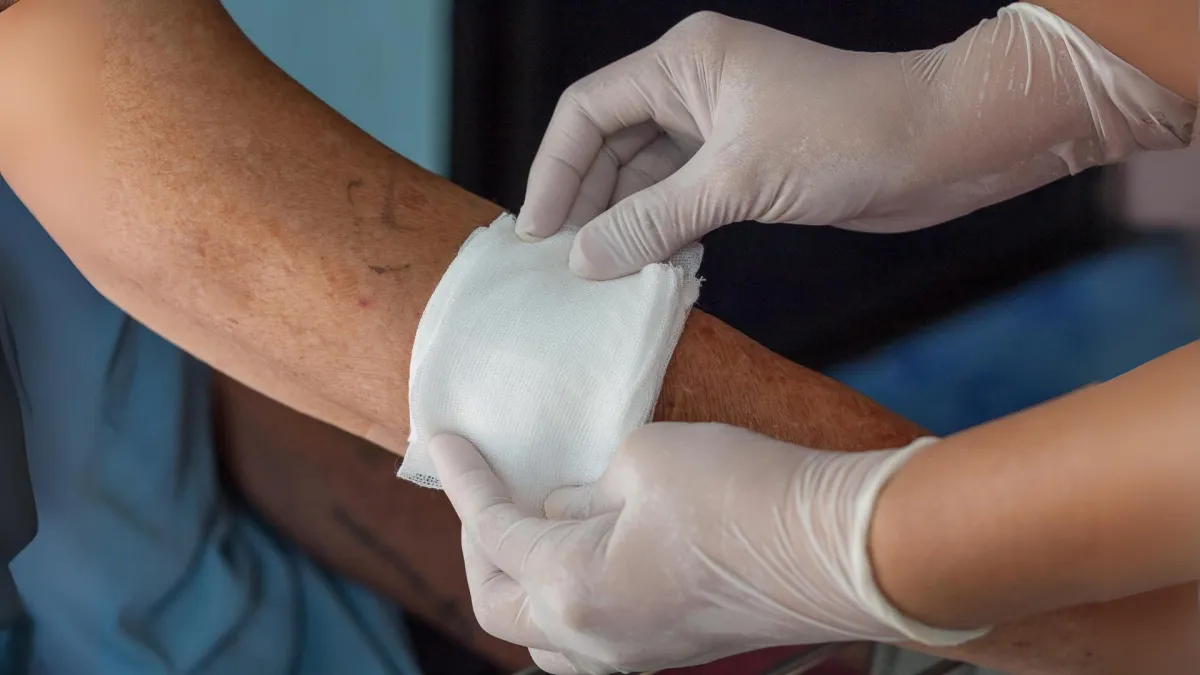
Wound care affects surface healing, and it also shapes infection risk, but a clean, managed wound reduces bacterial growth. When skin breaks, germs gain a direct path into tissue. Good wound care addresses moisture, damaged tissue, coverage, and body-wide factors like blood sugar. Here is more information on how proper wound care and infection prevention are connected:
Moist Environment Control
A wound heals well in balanced moisture, and excess fluid or dryness creates problems. When a wound dries out, new cells move across the surface more slowly. If drainage sits too long, bacteria multiply, and the wound edges soften.
Clinicians in wound care match dressings to wound depth and drainage, and they change them at planned intervals. Hydrogel adds moisture, while foam absorbs fluid. Since each wound behaves differently, product choice depends on drainage, tissue type, and skin condition. Watch out for:
- Rising drainage
- Persistent odors
- Broken skin around the wound
Surgical Debridement
Dead tissue feeds bacteria, and it also blocks healthy tissue growth. Surgical debridement removes that material. When a clinician clears slough or thick callus, the wound bed typically becomes easier to assess. This step also helps dressings contact the wound surface more evenly.
Debridement follows a medical exam, and the clinician checks blood flow, pain, and infection signs first. Sharp tools remove nonliving tissue. Since live tissue must stay intact, trained hands typically perform this work with close attention to wound margins.
Repeated debridement may be needed, and wound status guides the schedule. Tissue changes over time. When pressure, poor circulation, or diabetes slows repair, dead material may return between visits. Regular follow-up helps track these changes and supports timely treatment decisions.
Protective Barriers
A covered wound faces less outside contamination, and the surrounding skin also needs protection. Barriers include dressings, wraps, and skin sealants. When leakage reaches nearby skin, irritation and breakdown often follow. Intact skin around the wound lowers the chance of new entry points for bacteria.
Barrier choice depends on wound location, and movement often affects how long a dressing stays in place. Adhesive options vary. As fragile skin tears easily, some patients need softer borders or non-adhesive coverings with secure wrap layers.
High Blood Sugar Control
High blood sugar slows wound repair, and it also raises infection risk. Blood sugar affects white blood cell function. When glucose stays high, the body responds less effectively to bacterial threats. Small wounds may worsen faster under these conditions.
Care teams may address the wound and blood sugar at the same time, and home routines play a large role. For home care, it’s helpful to focus on:
- Consistent meals: Eating at regular times helps keep blood sugar stable.
- Medication timing: Taking medications as prescribed is needed for glucose control.
- Daily foot checks: Regularly checking your feet helps you spot new sores or changes early.
- Staying hydrated: Proper hydration supports overall health and circulation.
A clear daily plan makes it easier to manage these routines, helping you maintain better blood sugar control and support wound healing.
Find Wound Care Services Today
Proper wound care reduces exposure to bacteria, and it helps clinicians spot early warning signs. Treatment typically works well when it starts early. If a wound has drainage, odor, swelling, redness, or delayed closure, seek a wound care evaluation. Contact a qualified wound care provider today to schedule an assessment and review next steps.