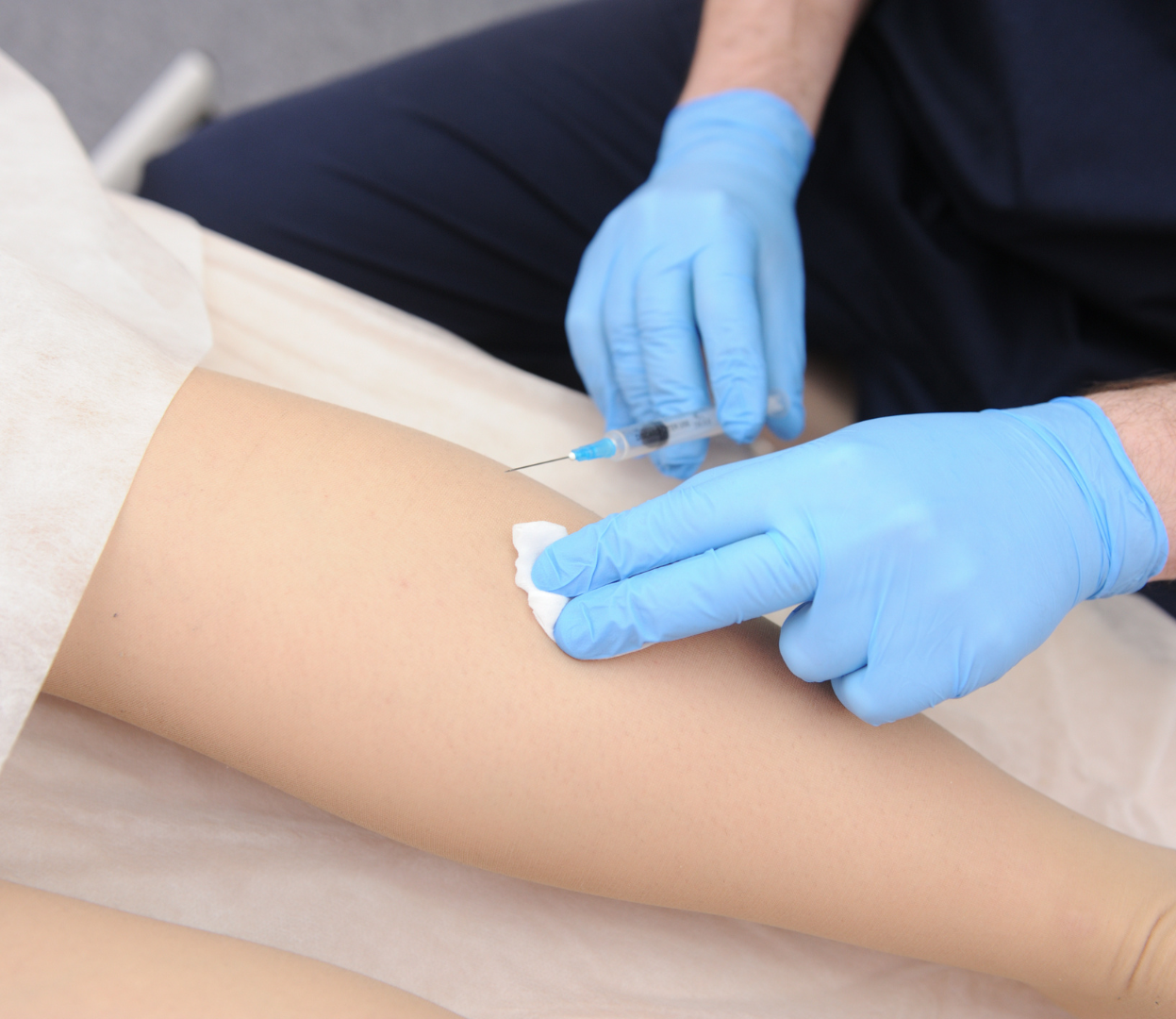
Sclerotherapy is a minimally invasive procedure that addresses spider veins and smaller varicose veins, primarily in the legs. During a treatment, a specialist injects a chemical solution directly into the targeted vein. This solution irritates the lining of the blood vessel, causing it to collapse and eventually fade from view as the body absorbs it. Here’s information on sclerotherapy and its benefits:
Who Can Get Sclerotherapy?
Not everyone is an ideal candidate for sclerotherapy. This is why specialists evaluate your general health, medical history, and the condition of your veins before proceeding. Individuals who experience discomfort from varicose veins or those seeking cosmetic improvements for spider veins often explore this option. You should consult a vein specialist if you experience persistent symptoms, as these could indicate underlying venous issues. Contact a specialist if you experience vascular symptoms like:
- Aching
- Swelling
- Heaviness
- Leg Cramping
If you develop ulcers near your ankles or notice sudden pain accompanied by redness or warmth in your leg, seek medical attention promptly. These symptoms could indicate more serious complications, such as deep vein thrombosis (DVT). Proactively addressing vein concerns can help prevent disease progression and improve your overall vascular health.
A qualified professional will conduct an ultrasound or physical exam to map your vascular structure and confirm your eligibility. If you’re pregnant or breastfeeding, you should generally postpone a sclerotherapy procedure until later. For individuals with a history of DVT or certain blood-clotting disorders, you will need a thorough medical evaluation, as this therapy may still be safe for you.
What Are the Types?
Providers utilize different therapy techniques depending on the size and location of the targeted veins. The primary procedural variations involve the type of sclerosant used, which is a concentrated irritant solution, and the method of delivery. To learn what options are best for your condition, a vascular specialist can assess you. Here are three common sclerotherapy options for various needs:
- Liquid Sclerotherapy: This common method involves injecting a chemical solution directly into the vein. Liquid solutions work well for smaller veins, but foam alternatives provide better coverage for larger vessels.
- Foam Sclerotherapy: For larger or more stubborn veins, specialists mix the sclerosant solution with gas to create a foam. The foam consistency displaces blood within the vein more effectively, allowing the chemical to maintain better contact with the vessel wall.
- Ultrasound-Guided Sclerotherapy: When target veins are located deeper beneath the skin, providers use ultrasound imaging. This visual guidance enables the precise delivery of the solution into vessels that are not visible to the naked eye.
What Are the Benefits?
Sclerotherapy procedures manage vascular concerns without the need for extensive surgery, which may be recommended for DVT. The primary benefit is the visible reduction of veins, but this therapy also alleviates physical symptoms frequently associated with problematic veins, such as aching, swelling, and cramping. Venous insufficiency is a medical condition in which the veins in your legs have difficulty returning blood to the heart effectively. This condition occurs when the valves within the veins weaken or are damaged, leading to blood pooling in the lower extremities. Symptoms of venous insufficiency may include swelling, heaviness, aching, and the development of varicose or spider veins. Untreated venous insufficiency may result in chronic pain and venous ulcers over time.
When preparing for a treatment, you should know what the process entails. A typical session lasts between 15 and 45 minutes, depending on the number of veins being addressed. You may experience mild discomfort during the process, but most individuals resume normal activities quickly. Following the injection, providers typically apply compression pads and recommend wearing compression stockings for a designated period to maintain pressure on the treated veins. Mild bruising, localized redness, or small sores at the injection site may occur but generally resolve on their own.
Benefit From Sclerotherapy
To address varicose and spider veins effectively, you need to understand your vascular health and your treatment options. Sclerotherapy is a highly utilized method due to its straightforward delivery and targeted approach. By working with a vascular specialist, you can get a diagnosis, determine your treatment options, and improve your cardiovascular health. If you want to explore this option further, schedule a consultation with a certified professional to discover your treatment options