Dermatology specialists offer various procedures to address skin concerns, like fine lines, uneven pigmentation, and acne scars. Two frequent methods used to refresh the skin’s surface are chemical peels and microdermabrasion. While both treatments aim to remove dead cells and reveal smoother skin beneath, they rely on completely different mechanisms to achieve this goal.
What Are Chemical Peels?
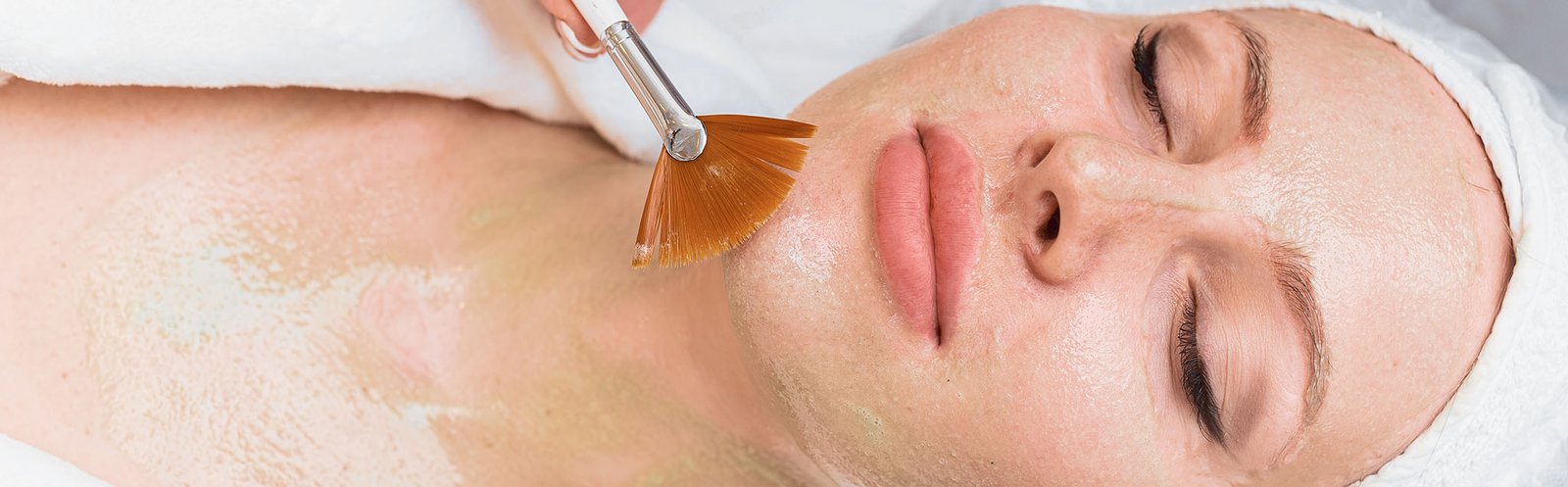
A chemical peel involves the application of a specialized solution directly to the skin. This solution creates a controlled injury to the targeted layers and prompts the older tissue to eventually shed. Once the top layers completely peel away, a smoother and more evenly pigmented layer of skin emerges in its place.
Providers use different formulas to achieve varying depths of penetration. Light peels remove only the outermost layer, making them suitable for treating mild discoloration or rough texture. Medium peels reach the upper part of the middle skin layer to address age spots, moderate wrinkles, and superficial acne scarring. Deep peels penetrate even further for extensive sun damage or deep lines. Recovery time directly corresponds to the depth of the treatment.
What Is Microdermabrasion?
Microdermabrasion relies on physical friction rather than chemical reactions to exfoliate skin. During the procedure, a practitioner uses a specialized device to gently scrape away the outer layer of the skin. This minimally invasive technique stimulates collagen production, which helps keep the skin firm and youthful. It is regularly utilized to minimize the appearance of enlarged pores, stretch marks, and superficial sun damage. The physical process only targets the very top layer of the epidermis, so patients generally experience minimal side effects. The treatment takes around 30 minutes. Individuals usually return to their normal daily routines immediately after the session concludes.
How Do Dermatologists Choose?
Selecting between a chemical peel and microdermabrasion requires a thorough medical evaluation by a qualified provider. Dermatology specialists evaluate several distinct factors, aiming to recommend the most appropriate clinical intervention. A primary distinction lies in the type of exfoliation required by the patient. Microdermabrasion provides strictly superficial physical exfoliation, and a chemical peel utilizes varied chemical reactions to penetrate deeper into the dermis.
Patients with active acne flare-ups, frequent cold sores, or highly sensitive skin conditions like rosacea can react poorly to the physical friction of microdermabrasion. In those specific situations, specialized chemical solutions may be recommended to clear pores without physically aggravating the delicate skin. Individuals seeking an immediate brightening effect without any noticeable shedding period can favor microdermabrasion. Skin tone also dictates this clinical decision. Certain deep chemical applications carry a higher risk of hyperpigmentation for patients with naturally darker skin tones, so practitioners can suggest alternative physical approaches or much lighter chemical treatments to mitigate any abnormal discoloration risks.
Seek Professional Dermatology Services
Consulting a medical professional guarantees that you receive aesthetic care tailored to your precise physical needs. Practitioners may recommend alternating between both physical and chemical therapies, potentially maximizing overall results. These sessions must be spaced out safely over several months; this allows the tissue time to fully recover. Speaking directly with a certified dermatology specialist will clarify which cosmetic pathway best aligns with your long-term skin health.