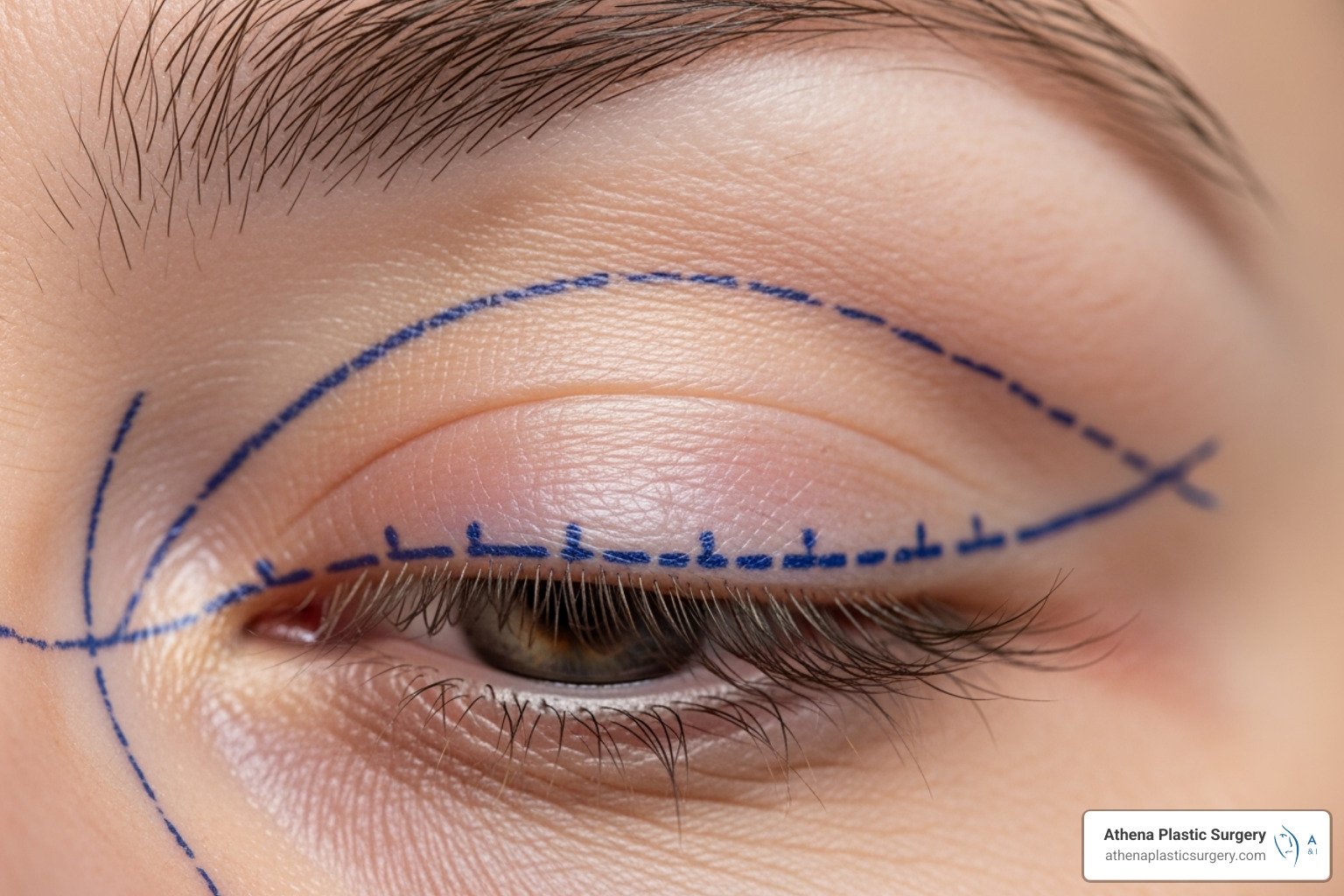
Eyelid surgery addresses sagging skin around the eyes. The procedure removes excess tissue, and it restores clearer sight. Because drooping eyelids hinder daily tasks, patients choose surgery. This medical intervention changes the physical eye structure.
Benefits of Surgery
Surgeons treat baggy or droopy upper eyelids. Eyelid surgery targets structural issues, like stretched or weak muscles that cause eyelids to sag. Some people have relief from heavy or tired sensations around the eyes after surgery. Eyelid surgery addresses cosmetic concerns, and it impacts daily living. Surgeons schedule follow-up visits while monitoring results and managing recovery.
- Removes excess skin on upper and lower eyelids
- Eliminates bags under the eyes
- Reduces obstructed peripheral vision from sagging skin
- Alleviates physical discomfort and irritation from eyelid folds
- Makes wearing glasses or contact lenses more comfortable
- May help with difficulty in work, hobbies, or social activities caused by eyelid issues
- Can lead to a more alert appearance, supporting confidence in everyday settings
Discuss your concerns with your provider before surgery.
Risks of Procedures
You might get an infection if bacteria enter the incision or experience bleeding. All surgical procedures involve specific medical risks. Notable scarring is possible, and some people report skin discoloration that fades over time. People with sensitive eyes sometimes develop dry or irritated eyes that need special care. Difficulty closing the eyes sometimes occurs, leading to exposure or dryness. Rarely, eyelids do not close completely at night, so extra protection is needed until healing. If surgeons injure eye muscles, complications may arise. Follow-up surgery may be needed. Blurred vision is a known temporary risk. This often results from swelling or ointments, with vision usually normal after a few days. In rare instances, loss of eyesight occurs. Because risks exist, doctors monitor you after surgery.
Considerations for Surgery
Eyelid surgery is usually an outpatient procedure, so you return home the same day. Proper preparation supports a smoother surgical experience. Recovery takes time, so you need rest, and following medical guidance helps with healing. Planning for downtime at home is a helpful step. Arranging for help on the first day and keeping supplies within reach is practical. Meeting with a specialist is a practical first step. Your surgeon evaluates your eyelids, and they create a targeted plan. A review of your health history helps the surgeon identify risks, and discussing your goals helps set expectations.
When you meet the expert, they explain the details. Some people find it helpful to view before-and-after photos, as this sets clear expectations for both outcome and recovery. Healing requires time and proper wound care. Follow your surgeon’s instructions for cleaning incisions, managing discomfort, and using eye drops. Avoid strenuous activities like heavy lifting and bending, and protect your eyes from the sun and wind. Regular follow-up visits help monitor healing and address concerns quickly.
Book Eyelid Surgery Today
The procedure removes excess skin, but patients must understand the risks. Eyelid surgery provides clear functional benefits. Before you make a decision, schedule a consultation. Personalized advice clarifies your surgical options. Doctors assess your unique needs, and they recommend appropriate solutions. Take the next step toward a clearer vision today. Since every case varies, professionals evaluate your health.