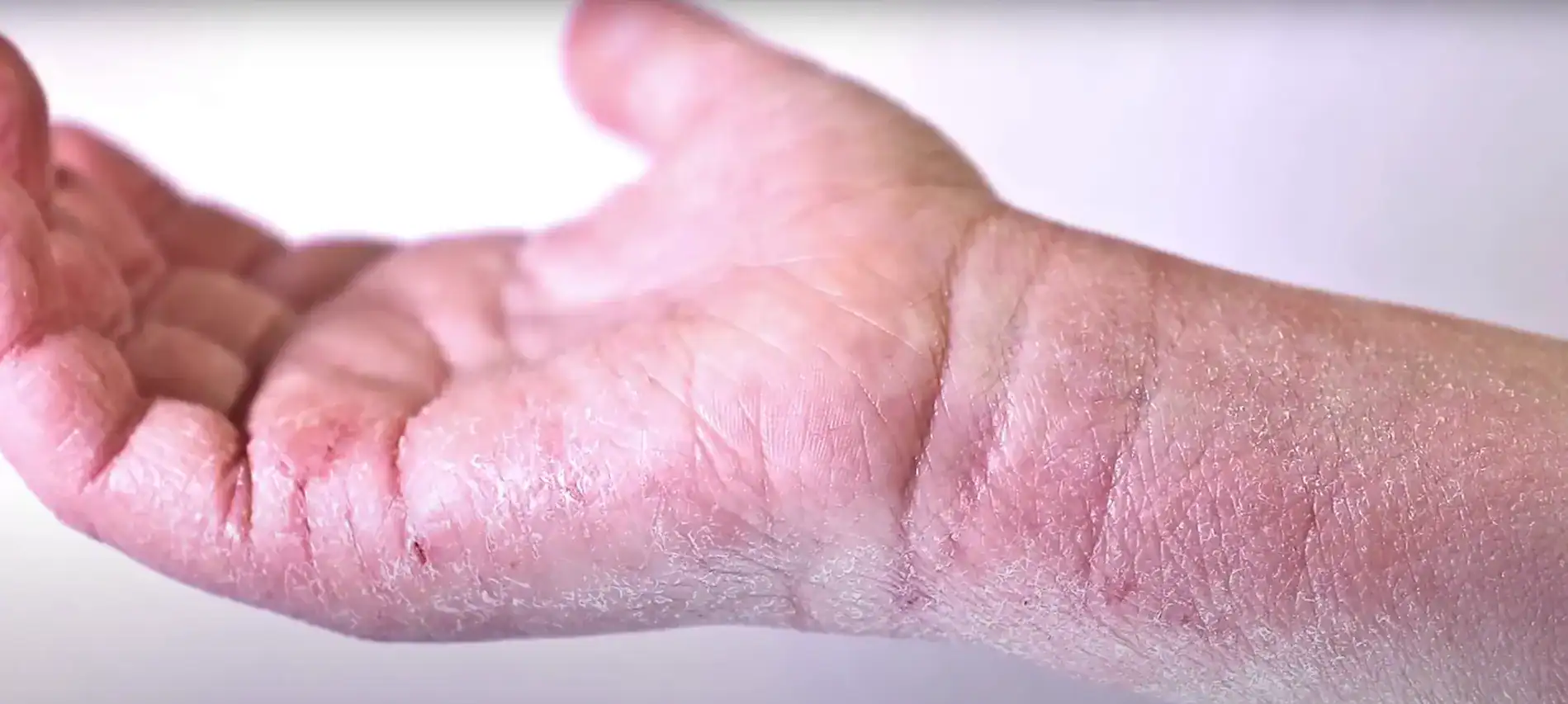
Building a skincare routine for eczema often requires a careful approach that supports the skin barrier and helps reduce irritation. Choosing the right products and daily habits is a fundamental part of managing discomfort and maintaining healthier skin. Here is more information on how to build a skincare routine for eczema:
Cleansing Skin Gently
Cleansing is a key part of a skincare routine for eczema; it prepares the skin for hydration. You must select products carefully to avoid stripping the skin of natural oils. The following practices are highly helpful during the washing process:
- Use lukewarm water instead of hot water to prevent excessive drying of the skin barrier.
- Choose fragrance-free and mild cleansers that do not contain harsh chemical soaps.
- Pat the skin gently with a soft towel rather than rubbing it dry.
Gentle washing prevents further irritation, and it keeps the skin receptive to moisturizers. You will apply creams immediately after washing to keep moisture locked within the skin barrier. This immediate application is a fundamental technique for managing eczema.
Providing Moisture and Supporting Barrier
Hydration is a key component of eczema care, and it requires daily attention. Patients must apply thick creams or ointments completely over the affected areas. A strong barrier blocks irritants when you apply these moisturizers consistently throughout the day.
Moistening the skin twice a day often yields optimal results. Applying a heavy ointment before bed protects the skin while you sleep. You should keep a travel-sized moisturizer nearby, and this habit can maintain hydration at work or school.
Ceramides are natural lipids found in the skin, and they are often included in therapeutic creams. These specific ingredients rebuild the compromised skin barrier directly. Selecting products that contain ceramides is a helpful strategy for long-term symptom management.
Avoiding Common Triggers
Flare-ups often occur after exposure to specific environmental factors. You can reduce inflammation by identifying these triggers, a process that requires careful observation. Make sure you monitor your skin closely when it comes into contact with the following common irritants:
- Avoid harsh fabrics like wool that cause physical friction against sensitive skin.
- Switch to hypoallergenic laundry detergents to eliminate chemical residues from clothing.
- Manage stress levels, as psychological stress often worsens skin inflammation.
Avoiding these triggers minimizes the need for medical interventions, but it takes time to identify them accurately. Tracking daily exposures is a highly effective method for preventing sudden outbreaks.
Seeking Professional Care
A basic routine works well for mild cases, but severe eczema flare-ups require professional medical evaluation. A specialist will assess your symptoms to prescribe appropriate treatments, such as topical steroids. Prescription medications reduce severe inflammation, and prompt medical intervention safely prevents dangerous complications. You must contact a physician immediately if you notice oozing bumps or increased redness. A doctor can prescribe antibiotics and adjust your daily regimen accordingly.
Allergy testing is another diagnostic tool for persistent cases. Food or environmental allergies often act as hidden triggers, and identifying them can improve overall treatment outcomes. Your physician may recommend allergy shots if your eczema correlates strongly with seasonal allergens.
Book Your Eczema Appointment Today
Managing eczema requires dedication, and a customized plan provides the best outcome. You can protect your skin barrier by cleansing gently and moisturizing frequently. A proactive approach can safely keep atopic dermatitis under control. Contact a qualified allergist near you to book your eczema appointment today.