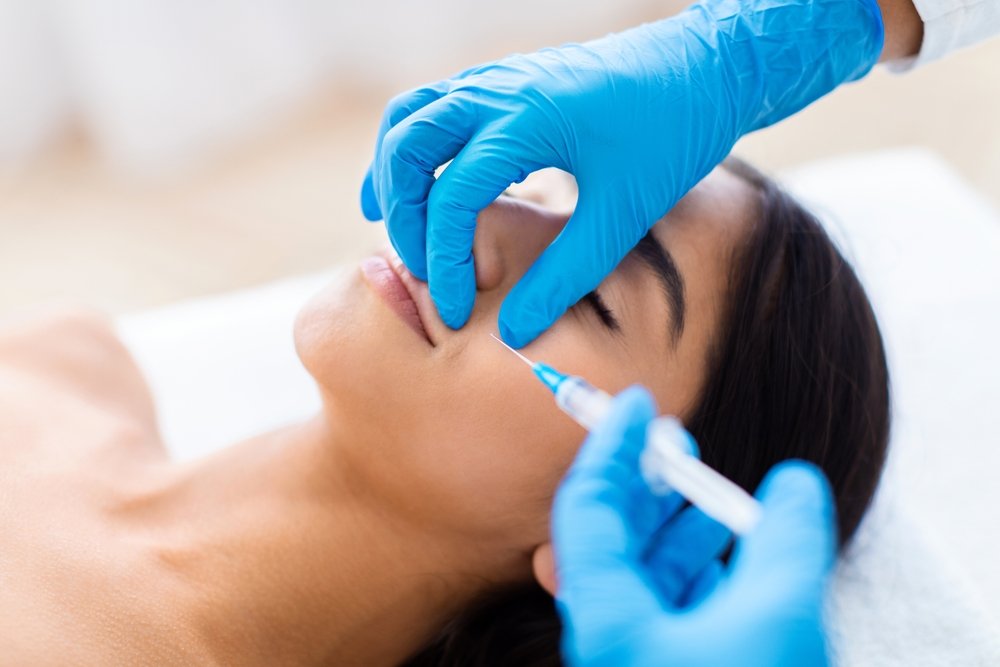
Cosmetic dermatology focuses on improving the aesthetic appearance of the skin, hair, and nails. Many people seek cosmetic procedures to achieve their personal appearance goals, and dermatologists offer numerous non-surgical techniques to accommodate these requests. Practitioners in this field address an array of visual concerns, including uneven skin texture, volume loss, and pigmentation irregularities. These outpatient treatments generally require minimal recovery time, allowing individuals to resume their standard daily routines safely and quickly. Here is information on three prominent non-surgical cosmetic treatment options:
Chemical Peels for Smoother Skin
Chemical peels involve applying a specialized acid solution directly to the face. This controlled cosmetic dermatology application causes the outermost layers of the epidermis to exfoliate and eventually peel away, causing new regenerated skin to surface. This new layer of skin is smoother than the previous layer. Practitioners tailor the chemical formulation and strength to individual skin types and precise aesthetic objectives. Superficial peels utilize mild acids, like alpha hydroxy acid, to address minor discoloration, whereas deeper peels employ phenol solutions to target more pronounced wrinkles or superficial scarring. Patients must protect their skin from ultraviolet exposure following the procedure to enable proper healing and prevent unwanted pigmentation changes.
PRP Therapy for Hair Restoration
Platelet-rich plasma (PRP) therapy is an approach used to address hair thinning and localized hair loss. During this minimally invasive procedure, a medical professional draws a small volume of a patient’s own blood. They then spin this blood in a centrifuge machine to isolate and concentrate the platelets from the red blood cells, creating a concentrated plasma solution. Practitioners subsequently inject this concentrated PRP solution directly into the targeted areas of the scalp.
Platelets contain high concentrations of natural growth factors, and these biological components encourage hair follicle activity. This cellular stimulation aims to increase the thickness of individual hair shafts and promote new growth over a series of months. Clinics routinely recommend a structured series of treatment sessions spaced several weeks apart to yield measurable outcomes, but treatments depend on individual needs.
Laser Treatments for Collagen Stimulation
Laser skin treatments use precisely focused beams of intense light, targeting and warming specific areas of the skin. This concentrated light energy penetrates the tissue to generate controlled heat, which promotes healing and stimulates new collagen production. Intense pulsed light (IPL) therapy works similarly, but it uses a broad spectrum of wavelengths rather than a single beam.
Traditional laser treatments target localized concerns like facial wrinkles or acne scars, but IPL effectively addresses broader surface irregularities, including:
- Generalized Redness
- Broken Capillaries
- Sun-induced Discoloration
Both light-based methods encourage continuous collagen remodeling beneath the skin’s surface. This gradual remodeling improves overall skin texture, structural integrity, and firmness without requiring invasive surgical incisions or general anesthesia.
Discover Your Cosmetic Dermatology Options
Non-surgical cosmetic dermatology offers multiple reliable avenues to address structural skin and hair concerns. Advanced treatments, ranging from topical chemical peels to concentrated light therapies, can refine skin appearance with highly manageable recovery periods. Because every individual has unique skin characteristics and biological responses, getting a consultation is required before getting any treatments. To learn more about your skin health and cosmetic options, contact a dermatologist today.