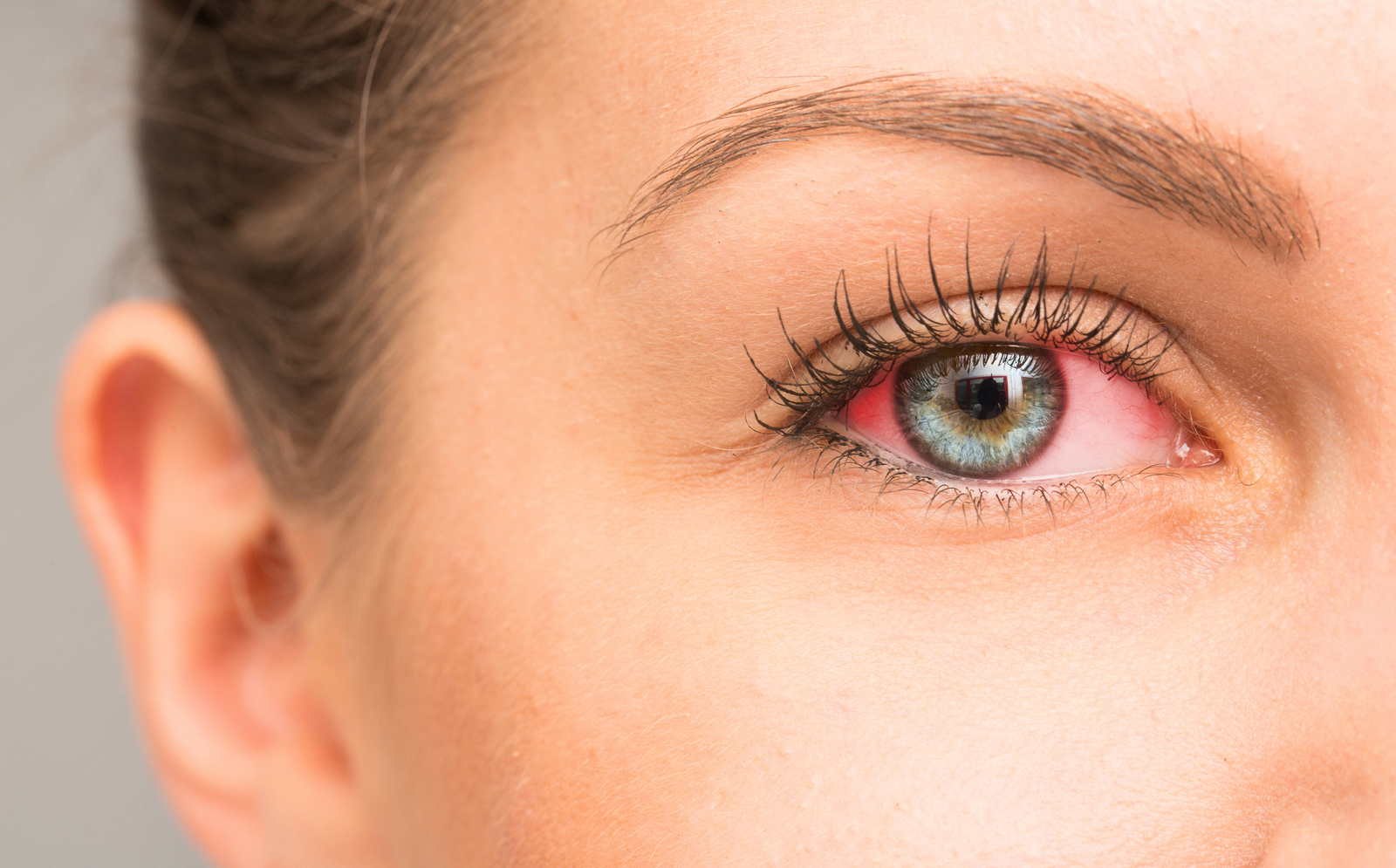
Dry eyes can develop when the eyes do not produce enough tears or when tears do not provide adequate moisture and protection. This condition may lead to discomfort, irritation, and persistent dryness that can interfere with daily activities. Here is a closer look at the causes and symptoms associated with ocular dryness:
What Causes Dry Eyes?
Several factors contribute to the development of dry eyes, and patients must identify these triggers to find appropriate treatments. Here are some of them:
- Aging frequently reduces tear production, leaving several older adults vulnerable to persistent eye irritation.
- Hormone imbalances alter tear film composition, often leading to inadequate eye moisture over time.
- Chronic skin conditions like rosacea affect the meibomian glands, ultimately reducing the oily layer of tears.
- Certain medications, including antihistamines and birth control, commonly list dry eyes as a side effect.
Patients who recognize these underlying causes can work with specialists to determine the most appropriate treatment plan.
What Are the Early Symptoms?
Individuals suffering from dry eyes generally experience a distinct set of physical symptoms in the early stages of the condition. Pain and redness are common indicators, and these sensations generally worsen throughout the day if left untreated. Some patients also report burning or stinging feelings, which create substantial discomfort during routine activities.
Hazy vision frequently accompanies the physical discomfort, and this visual disruption can interfere with reading or driving. Increased light sensitivity is another prevalent symptom; it often forces individuals to wear sunglasses even in moderately lit environments. Patients who wear contact lenses regularly find that their lenses become increasingly uncomfortable as the dryness persists. Monitoring these initial symptoms is a helpful practice, as it allows patients to track the progression of their condition.
How Can Daily Life Change?
The ongoing symptoms of dry eyes substantially impact a person’s routine, and they often hinder basic daily functions. Here’s how they can affect daily life:
- Visual disturbances make reading difficult, and patients often struggle to focus on computer screens for extended periods.
- Light sensitivity limits outdoor activities, which forces individuals to alter their schedules during peak sunlight hours.
- Persistent pain causes ongoing distraction, which frequently reduces overall productivity in professional environments.
Recognizing these daily disruptions highlights the need for effective medical intervention and symptom management.
When Should Symptoms Be Evaluated?
Patients must seek professional medical care when eye irritation becomes a chronic issue rather than an occasional nuisance. Ophthalmologists utilize advanced diagnostic tools to evaluate ocular dryness. A clinical evaluation commonly involves a Schirmer tear test, which utilizes a strip of filter paper to measure the quantity and quality of tear production.
During the consultation, the doctor performs a comprehensive eye exam with a slit lamp to identify structural problems. This detailed assessment identifies any physical blockages or glandular dysfunction, and it provides the data necessary for a customized care plan. Treatments vary based on the diagnosis, and they may include prescription artificial tears, tear duct plugs, or specialized therapies such as LipiFlow and Intense Pulsed Light (IPL) treatments.
Schedule Your Dry Eyes Consultation
Ocular dryness is a condition characterized by insufficient or poor-quality tears, and it causes symptoms ranging from redness to visual disturbances. Identifying the underlying causes and recognizing the daily impact of ocular dryness are fundamental steps in managing the condition. Contact a professional ophthalmologist in your area to schedule your dry eyes consultation today.