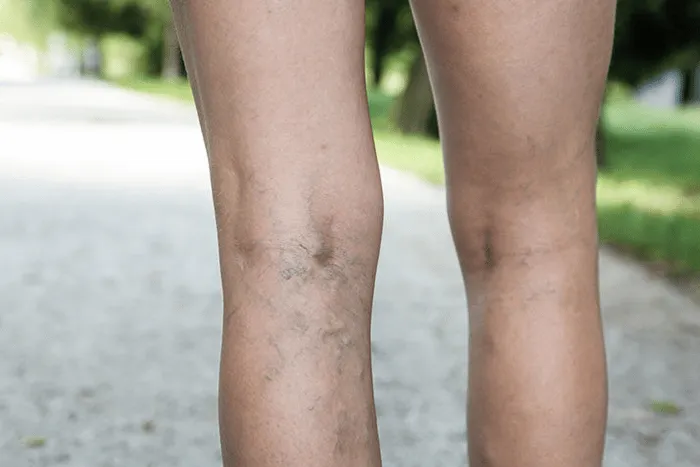
Vein specialists diagnose issues such as swelling and leg discomfort, and they guide patients through medical and lifestyle options. If you want better vein health, learn more about movement, compression, leg elevation, and ways to reduce long sitting or standing. You can also learn when a specialist visit makes sense. Here are some lifestyle changes to improve vein health at home:
Move Regularly
Walking supports blood flow, and it places low stress on the joints. When your calf muscles contract, they help push blood upward through the leg veins, so short walks during the day have value. Many people sit for hours at work, but a five-minute walk each hour changes that pattern. Start with simple movement:
- Walk during phone calls
- Take stairs when practical
- Stretch your calves at your desk
Daily exercise does not need to be intense, but it needs to be consistent. If you exercise only on weekends, your veins still face long inactive periods during the week. A useful goal is 20 to 30 minutes of walking, cycling, or swimming on most days. These activities can be performed to raise circulation without heavy strain.
Wear Compression Stockings
Compression stockings apply pressure to the legs, and that pressure helps blood move upward. Since they fit tighter at the ankle, they support vein function in a structured way. Some people wear them during work shifts, long flights, or periods of standing. A vein specialist can help you choose the right level.
Elevate Legs
Leg elevation reduces pressure in the lower legs, and it is easy to do at home. When you raise your legs above heart level, gravity helps blood move out of the lower limbs. People can do this after work, after exercise, or before bed. Even 15 minutes may fit into a routine.
Some setups work better than others, but comfort still matters. Use pillows, a wedge, or a recliner that supports the full leg. Do not bend sharply at the knees, because that position may limit smooth blood flow. Keep these points in mind:
- Raise legs above heart level
- Hold the position for 15 minutes
- Repeat once or twice a day
Avoid Prolonged Inactivity
Long periods of sitting may slow blood flow. If you work at a desk, stand up every hour and move for a few minutes. Since travel also limits movement, ankle rolls and calf raises help during flights or long drives. Small breaks add up over the day.
Standing still for long periods also affects vein pressure, and many people miss that fact. Shift your weight, walk in place, or step away for short movement breaks. If your job keeps you on your feet, supportive shoes and scheduled breaks may help reduce strain. Repeated stillness, whether sitting or standing, places stress on the veins.
Daily routines shape vein health over time, but many habits are easy to adjust. Set a timer, link movement to tasks, or add short walks after meals. Since consistency is very beneficial, small actions done may carry more weight than occasional effort. By now, you should have a clear starting point.
Visit a Vein Specialist
A specialist evaluates symptoms, and that step gives you a clearer picture of vein function. If you notice swelling, heaviness, visible veins, skin changes, or aching legs, schedule an exam. Since some vein problems progress slowly, early review helps you plan the next steps with better information. Contact a vein specialist if symptoms persist or get worse.