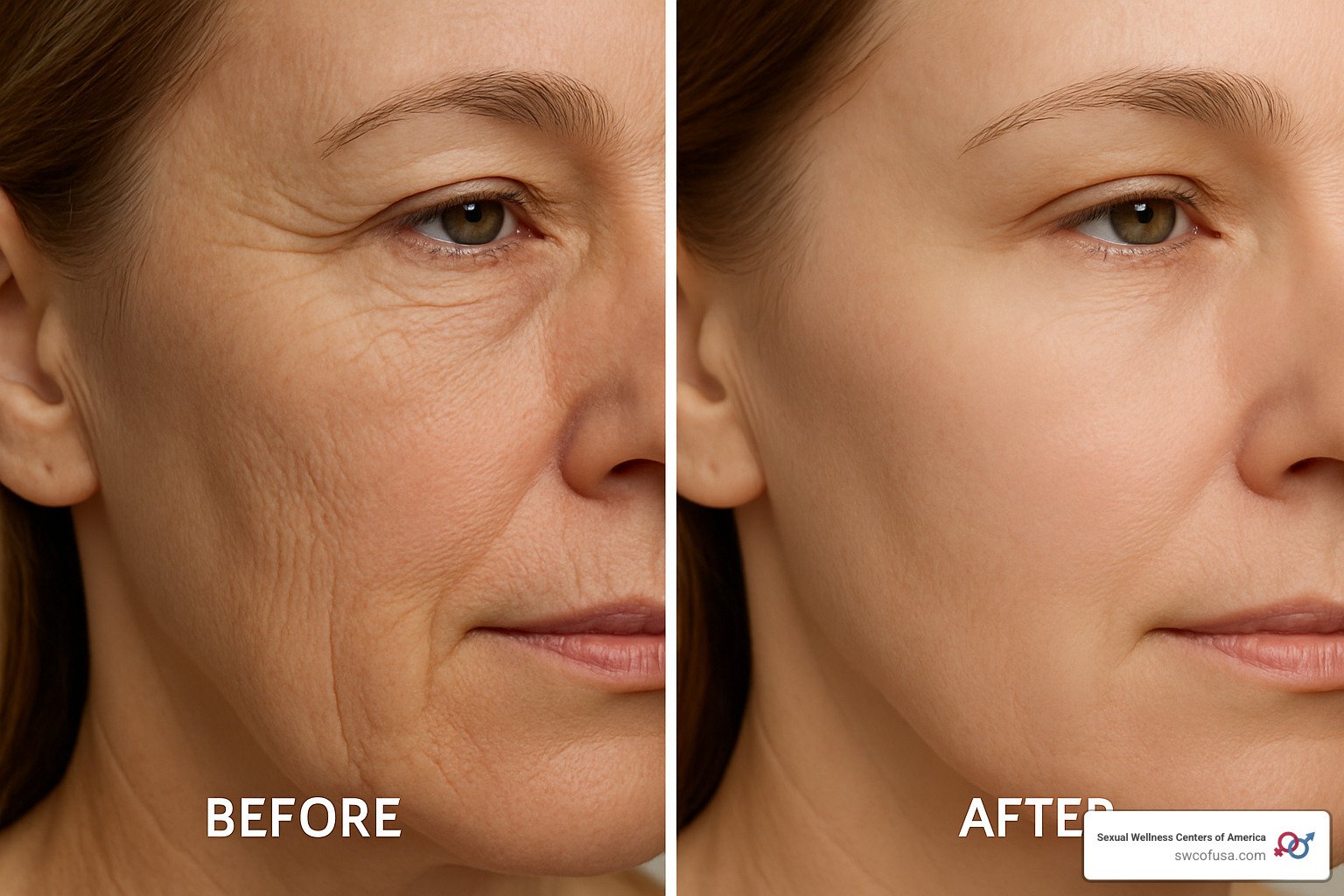
Anti-aging care focuses on supporting healthy skin, overall wellness, and age-related concerns through safe and professional treatment options. Medical professionals can assess individual needs and guide patients toward choices that support long-term health. Here is a closer look at how medical professionals can help with anti-aging:
Assessing Health Needs
Doctors begin the clinical process for anti-aging treatments by evaluating your current physical condition. Here’s what patients can expect:
- Hormone Testing: Providers draw blood to check your hormone levels. They look for specific deficiencies that cause low energy or muscle loss.
- Physical Examinations: Doctors perform physical exams to measure your baseline health. They track your weight, blood pressure, and overall body composition.
- Medical History Review: Specialists ask about your past illnesses and current medications. They use this data to identify any underlying conditions that accelerate aging.
Medical evaluations form the fundamental basis of any clinical health plan. Doctors analyze all test results, and they use this data to target specific issues.
Creating Personalized Plans
Doctors use your assessment data to build a personalized anti-aging plan for the body. They prescribe targeted anti-aging treatments, and they adjust dosages to match your biological needs. When your hormone levels drop, specialists may prescribe therapies like testosterone or peptide injections.
Your unique physical condition determines the exact therapies you receive. Providers develop a clinical strategy and select medications to address your deficits. If your blood tests show low growth hormone levels, doctors may include growth hormone replacement in your treatment plan. They monitor your physical reactions, and they modify the plan as your body adapts.
Supporting Lifestyle Changes
Clinical treatments work best when you pair them with healthy habits. Doctors guide your lifestyle choices, and they provide advice on diet and exercise. Here are some key components of lifestyle changes doctors may recommend:
- Nutritional Guidance: Doctors recommend diets that support cellular health. They advise you on macronutrients, vitamins, and minerals that aid physical recovery.
- Exercise Protocols: Providers suggest workout routines that build muscle and improve cardiovascular health. They tailor these exercises to your current capabilities.
- Sleep Management: Specialists teach you how to improve your sleep hygiene. They outline routines that help your body rest and recover.
Lifestyle modifications provide fundamental support for all anti-aging treatments. Doctors track your progress, and they help you adjust your daily routines over time.
Maintaining Anti-Aging Results
Continuous medical supervision helps you maintain your health improvements. Doctors schedule regular follow-up visits, and they run periodic blood tests. Even though your initial symptoms may resolve, your body will continue to age and change. You must contemplate regular clinical checkups to keep your hormones balanced. Doctors monitor your hormone levels over the years, and they adjust your prescriptions accordingly. Regular blood work also helps providers detect new health issues early.
Schedule Your Anti-Aging Appointment
Regular monitoring and personalized adjustments are fundamental components of effective anti-aging therapies. Providers can make sure your treatment delivers maximum benefits with minimal side effects by monitoring your hormone levels and conducting routine blood work. Prompt intervention helps manage symptoms, such as fatigue, allowing you to maintain optimal energy levels and overall well-being. Contact a trusted healthcare provider near you to schedule your anti-aging appointment today.