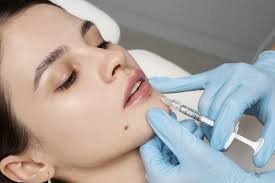
Dermal fillers are injectable treatments used to add volume, soften lines, and refine facial contours. Many formulas contain hyaluronic acid, which is a substance found naturally in the body. After treatment, the skin and underlying tissue need time to settle, and good aftercare supports a smooth recovery. Here are some aftercare tips for maximizing the results of dermal fillers:
Manage Swelling
Swelling is common after dermal filler appointments. The treated area has been punctured with a needle, so mild inflammation may follow. In many cases, swelling is noticeable during the first 24 to 48 hours. Lips often swell more than cheeks or the under-eye areas.
To manage swelling, use a cold compress in short intervals during the first day. After wrapping the ice pack in a cloth, place it gently on the area for about 10 minutes at a time. Do not press hard; too much pressure may shift filler placement in the early stage.
Sleep with your head slightly elevated on the first night, as this reduces the pressure on the treated area. If you received filler in the lips or cheeks, this may help limit added puffiness in the morning. Intense exercise also increases redness and swelling, so it is best to pause strenuous workouts for at least a day if your provider advises it. If swelling becomes severe, uneven, or painful, contact your medical provider promptly for guidance.
Modify Medications
Some medications and supplements, such as aspirin and ibuprofen, affect bleeding and bruising. If your prescribing clinician has given you directions for these products, follow them closely. Keep your injector informed about the products you take, even if it seems minor. Sleep aids, workout supplements, and herbal blends can also impact treatment outcomes.
If you take prescription medication, do not stop it on your own. That includes blood thinners and other medications used to manage ongoing health conditions. Changes to those medications need approval from the clinician who manages your care. Clear communication helps your provider give advice, and this should match your medical history and treatment plan.
Delay Skin Care Procedures
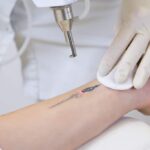
Give your skin time to recover after dermal fillers before adding more treatments. Some treatments irritate skin that is already healing from injections, and these may include:
- Facials
- Chemical peels
- Microneedling
- Laser sessions
- Strong exfoliating products
Waiting reduces the chance of increased redness, tenderness, and disruption in the treated area. You should also be gentle with daily skin care during the first few days. Use a mild cleanser, lukewarm water, and a simple moisturizer if those products are already part of your routine. Avoid harsh products until your provider says it is appropriate to restart them. Sun exposure must also be monitored. Freshly treated skin typically feels more sensitive, and excess heat may worsen redness. Wear sunscreen, avoid prolonged direct sun, and use a hat if you plan to be outdoors.
Learn More About Dermal Fillers
Aftercare is part of the full treatment process, and steps such as using cold compresses, limiting pressure, and delaying harsh skin treatments support recovery. Medication questions should be handled with your prescribing clinician and injector. If you have questions about filler aftercare or treatment planning, schedule a personalized consultation. Visit a med spa today for rejuvenating treatments.