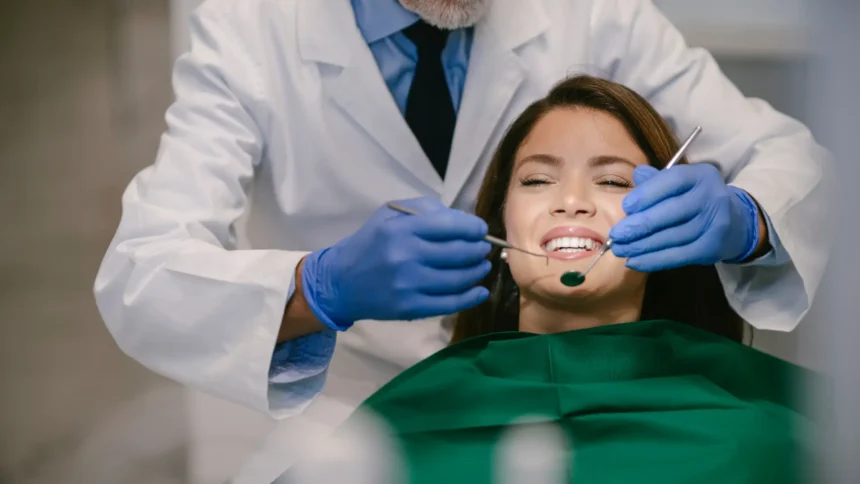
A tooth can crack while you eat, or a persistent ache will form and escalate within hours. When situations like these happen, standard appointment scheduling may not fit the timeline. Emergency dentistry exists to fill that gap.
What Is Emergency Dentistry?
Emergency dentistry is a branch of dental care focused on treating problems that call for prompt attention. Unlike routine cleanings or planned procedures, emergency visits address issues that cannot reasonably wait for a standard appointment slot. The goal is to relieve pain, stop further damage, and stabilize the affected area. An emergency dentist evaluates the situation, and they provide treatment aimed at protecting the tooth and surrounding tissue.
What Does It Address?
Emergency dentistry covers a wide range of situations. Some are the result of accidents, and others develop gradually and reach a point that demands quick action. There are several common concerns that it treats, including:
- Knocked-out Teeth: A tooth displaced by a fall, sports injury, or collision needs fast attention. Handling the tooth carefully and reaching a dentist quickly can affect whether the tooth will be saved.
- Severe Toothaches: Ongoing or intense pain may signal an underlying problem, such as decay reaching the inner layers of a tooth. Prompt evaluation helps identify the source.
- Broken or Chipped Teeth: A fractured tooth can expose sensitive areas and create sharp edges. Treatment protects the tooth and reduces the chance of additional harm.
- Lost Restorations: Fillings, crowns, and other restorations can loosen or fall out. When this happens, the exposed tooth becomes vulnerable and may require quick repair.
- Dental Abscesses: A pocket of infection near a tooth or in the gums can cause swelling and discomfort. This type of concern calls for timely professional care.
- Soft Tissue Injuries: Cuts or damage to the lips, cheeks, gums, or tongue may accompany a dental emergency. These often need attention alongside the tooth itself.
Recognizing these situations helps you respond and reach the right care. Not every dental issue qualifies as an emergency, so understanding the difference allows you to make an informed choice.
How Are Emergencies Prevented?
While some emergencies cannot be predicted, many stem from conditions that build over time or from avoidable risks. A few steady habits may lower the likelihood of a sudden problem. Regular dental visits allow a professional to spot small issues before they grow; early detection of decay, cracks, or weakening restorations reduces the chance of an unexpected event later.
Daily brushing and flossing remove buildup that contributes to decay and gum problems, and a clean mouth is less prone to the conditions that lead to urgent care. People who play contact sports, as well as those who grind their teeth at night, may benefit from a protective guard. This simple device shields teeth from impact and wear.
Hard foods and non-food objects such as pens can crack or chip teeth. Avoiding these habits protects your enamel and existing dental work. A minor ache or sensitivity may seem manageable, but reporting it during a routine visit can prevent it from becoming a larger concern. These practices work together to support long-term dental health, reducing the frequency of surprises.
Meet With an Emergency Dentist
Prompt care can relieve discomfort, limit damage, and support the health of the affected tooth. Knowing which situations call for urgent treatment, as well as which may wait, helps you act when necessary. Keep the contact details of a dental provider on hand, and note the steps to take if a tooth is damaged or displaced.