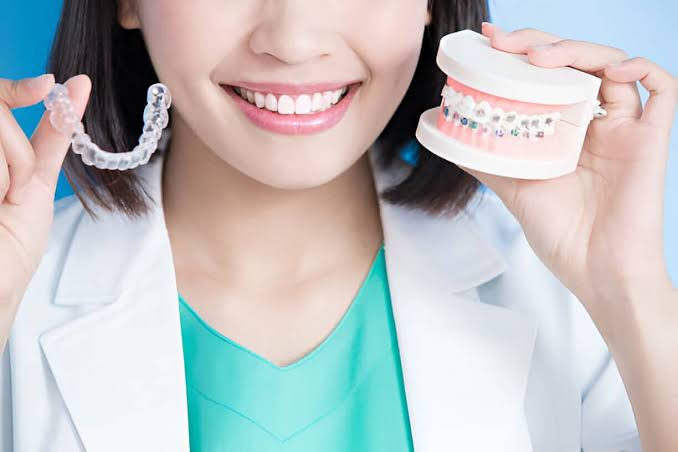
Clear aligners, like Invisalign, are transparent trays made from smooth plastic. They fit over your teeth and shift them gradually according to a treatment plan mapped by an orthodontist or dentists. Unlike fixed braces hardware, these trays are removable, so you can take them out to eat, brush, and floss. This convenience appeals to many adults and teens who want a less noticeable option. Here’s information on the benefits of Invisalign versus traditional braces for alignment concerns:
When Can You Get Invisalign?
Invisalign often works well for mild to moderate spacing, crowding, and certain bite alignment concerns. Many people choose Invisalign for its discreet look and flexibility. The trays are clear, and you can remove them for meals and photos. Invisalign may also suit people who prefer fewer in-office adjustments. You typically switch to a new tray every one to two weeks at home, then check in with your provider periodically. When you wear the trays consistently, usually 20 to 22 hours a day, these clear aligners can work effectively.
When Are Braces Necessary?
Traditional braces use metal brackets and wires bonded to the teeth; they stay in place throughout treatment, so you don’t have to worry about daily wear time. Dentists often recommend braces for more complex cases. These can include significant rotations, large gaps, or bite issues that need precise, sustained force.
Braces give the dental specialist detailed control over individual tooth movement. Because they are fixed, braces work around the clock to gradually address bite and alignment concerns. Your provider adjusts the wires during scheduled visits to monitor progress. For younger patients or highly involved corrections, this level of movement control is an advantage. When you’re looking into different orthodontic services, a dentist or other specialist can help you determine which method matches your situation.
What Is Invisalign Like?
The Invisalign process is structured and predictable; it begins with an evaluation and ends with a plan to maintain your results. Your first appointment includes an exam and a digital scan of your teeth. The scan creates a 3D model, and your provider uses it to design a step-by-step treatment plan. You may be shown a preview of how your teeth are expected to move over time.
Once you approve the plan, your custom aligner sets are manufactured. Each tray represents one stage in the sequence of your movement plan. This planning phase determines your estimated treatment timeline and how many trays you will use. You wear each set of trays for the recommended number of hours per day, then move to the next set on schedule.
Most people advance to a new tray every one to two weeks, though your provider sets the exact pace. Periodic checkups let your provider confirm progress and hand off the next batch of trays. After active treatment, you typically wear a retainer to help hold your teeth in their new positions. Removing the trays for cleaning is simple, and this makes daily oral care easier than with fixed hardware.
Try Invisalign for Straighter Teeth
Choosing between Invisalign and traditional braces depends on your situation and personal preferences. Invisalign offers a clear, removable option that many people find convenient, while braces provide fixed, continuous control that suits more complex cases. Both approaches aim to improve alignment and bite through a planned sequence of movements guided by a professional. To explore your alignment options, contact a dentist near you who offers clear aligner treatments. They can explain the expected timeline, daily commitment, and how each method fits your goals.