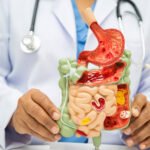
Acid reflux happens when stomach acid flows back up into the esophagus, the tube that connects your throat to your stomach. This backward movement often produces a burning feeling in the chest, commonly called heartburn. Your diet affects how often these symptoms appear, and it influences their intensity. Here are some dietary tips to reduce acid reflux symptoms:
Avoid Trigger Foods
Some foods relax the lower esophageal sphincter or increase acid production, which can aggravate acid reflux symptoms. Fried and fatty dishes are at the top of that list, along with spicy meals that irritate an already sensitive esophagus. You should also monitor your intake of:
- Citrus fruits
- Tomatoes
- Chocolate
- Garlic
- Onions
- Mint
Coffee, carbonated drinks, and alcohol may also loosen the esophageal sphincter and raise acid levels. Track what you eat for a week or two, and note when symptoms flare. Patterns often emerge quickly. One person might react strongly to orange juice, while another finds that peppermint tea sets off discomfort. Keeping a food journal helps you spot your personal triggers and remove them.
Choose Stomach-Calming Options
Some foods are gentler on your digestive system and less likely to spark a reaction. Oatmeal, brown rice, and whole-grain bread absorb acid and keep you full. Lean proteins such as skinless chicken and turkey are often easier to digest than heavier cuts of meat. Vegetables and non-citrus fruits are often good snack options that don’t trigger an acid reflux flare. Ginger has long been used to settle the stomach, so a small piece grated into a meal or steeped in warm water may bring some relief.
Adjust Meal Habits
Balancing the amount of food you consume with your body’s needs is key for supporting overall health and well-being. Large meals stretch your stomach and push acid upward. Smaller, more frequent meals ease that pressure. Instead of three big plates a day, try five or six lighter ones.
Slow down while you eat. Chewing thoroughly gives your stomach less work to do and lowers the chance of overeating. Eating too quickly can cause you to take in more food before your body signals fullness, which may increase stomach pressure and trigger reflux symptoms. Put your fork down between bites, and give your body time to register fullness.
Finish eating several hours before lying down, as remaining upright helps gravity keep stomach acid from flowing back into the esophagus. A late dinner followed by an early bedtime often leads to nighttime symptoms. Evening hunger may strike, but a light snack like a banana or a few crackers is a safer choice than a full meal.
Work With an Acid Reflux Specialist
Diet changes are one part of managing acid reflux, and a specialist helps you build a plan suited to your body and your habits. They review your symptoms, identify contributing factors, and suggest adjustments based on your medical history. They also rule out other conditions that share similar signs. If symptoms persist, a doctor might prescribe medication to improve comfort. Schedule an appointment today to talk through your symptoms and discuss dietary adjustments.