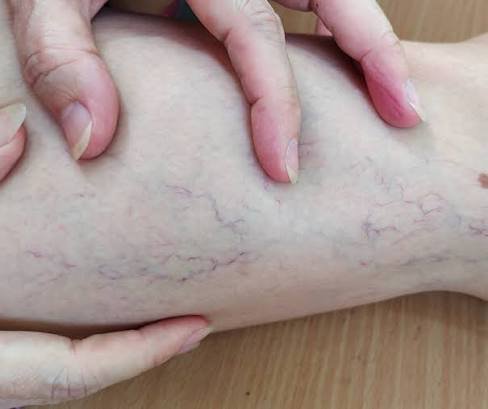
Varicose veins are swollen, twisted veins that often appear on your legs, and they develop when tiny valves inside your veins weaken and blood pools. Many people get blue or purple cords beneath the skin, and the condition tends to progress slowly. Left untreated, these veins may lead to complications that affect your daily comfort and health. Here are some of the potential long-term effects of this condition:
Swollen Areas
Swelling is one effect of this condition that typically shows up around your ankles and lower legs. Fluid leaks from overloaded veins, and it settles in the surrounding tissue. When you press the swollen spot, a dent may linger for a moment.
The swelling tends to increase throughout the day. Sitting or standing for long stretches makes it more noticeable, and elevation offers temporary relief. If one leg with varicose veins swells far more than the other, that difference deserves a closer look.
Increased Skin Ulcers
Skin ulcers form when pressure builds in your leg veins over many years. This pressure damages the surrounding tissue, and open sores may appear near your ankles. If the skin breaks down, healing takes a long time.
These ulcers often return once they close. Poor circulation slows recovery, and the affected area stays fragile. When you spot discolored or hardened skin, that change may signal early damage.
If left untreated, these ulcers can become infected, leading to even more serious health issues. Treating ulcers early is crucial. While proper wound care and addressing circulation problems can improve healing, managing the underlying cause often requires long-term commitment and medical guidance.
Chronic Venous Insufficiency
Chronic venous insufficiency happens when your veins struggle to send blood back to your heart. Blood collects in the lower legs, and this pooling raises pressure inside the vessels. Over time, this ongoing strain reshapes the tissue.
Warning signs include:
- Aches or heavy legs
- Skin that itches or darkens
- Tightness after standing for hours
You might notice these symptoms grow worse late in the day. The condition builds gradually, and small changes add up. Since it develops quietly, early attention makes a real difference.
Increased Blood Clot Risk
Varicose veins raise your risk of blood clots in the legs. Slow blood flow allows clots to form, and these clots may block a vein. A clot near the surface causes redness and tenderness.
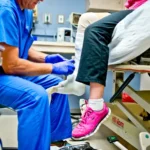
Deeper clots may pose a more serious threat to your health. They sometimes travel toward your lungs, and that movement creates a medical emergency. When a leg suddenly swells, warms, or reddens, seek care right away. A vein specialist reviews your symptoms and examines your legs, and modern procedures often use tiny incisions.
Watch for these signs of a possible clot:
- Sudden swelling in one leg
- Warmth or redness along a vein
- Pain that worsens when you walk
Get Treatments for Varicose Veins
Varicose veins rarely improve on their own without help, but treatment options range from compression stockings to minimally invasive procedures, and a specialist matches the approach to your needs. When you understand your options, you make informed choices. Schedule a consultation with a vein specialist today, and take the first step toward addressing your varicose veins.