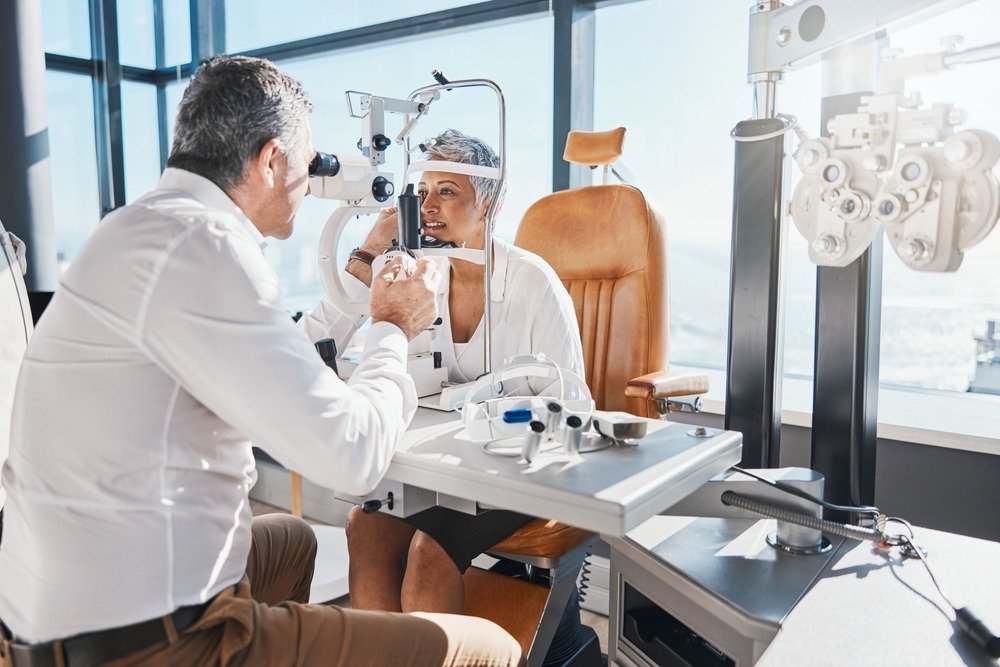
A routine eye exam does more than confirm whether you need glasses. The eyes provide additional information about overall health, and an optometrist may notice early signs of broader medical conditions during a standard appointment. Regular checkups also give your provider the opportunity to track changes in your health over time. Here are some ways eye exams can help detect various health issues:
Examining the Eye Vessels
The eyes allow a professional to view blood vessels directly without an incision. During a dilated eye exam, your optometrist examines the tiny vessels at the back of the eye, and their appearance can reflect how the wider vascular system is functioning. Narrowed or unusually shaped vessels sometimes prompt further evaluation.
Because the eye’s vessels respond to changes throughout the body, a careful examination adds a useful layer to routine care. Your optometrist documents what the vessels reveal during the visit, such as signs of high blood pressure or diabetes-related changes. The provider then compares findings across appointments, and they note any patterns that may be worth discussing.
Observing the Optic Nerve
The optic nerve connects the eye to the brain, so examiners carefully observe its color, shape, and overall condition. Swelling or unusual coloring may indicate pressure-related changes that require additional testing. A clear image of the nerve also provides a reliable baseline for comparison over time. Each appointment builds on the last, which is why consistency matters. When your optometrist maintains a record of previous results, subtle changes become easier to identify, and your care can be guided by your individual history.
Reviewing the Outer Tissues
Examiners also study the structures around the eye, including the eyelids, surface tissue, and nearby skin. These areas sometimes reveal useful information about hydration and inflammation, and a trained professional knows which signs warrant closer attention. Although a thorough review is relatively brief, it adds meaningful value to your visit. Your optometrist builds a fuller picture by weighing several observations together, so the following areas may be assessed during a comprehensive exam:
- The retina and its layered structures
- The pressure inside each eye
- The clarity of the lens
- The movement and alignment of both eyes
- The overall condition of nearby tissues
When findings raise a concern, your optometrist may recommend a follow-up appointment or a referral to your primary care provider. This collaborative approach helps keep your healthcare team informed, and it makes sure observations are communicated to the appropriate professional. Consistent appointments give your optometrist the data needed to identify meaningful changes early. Adults can benefit from regular comprehensive exams even when their vision feels stable, though the recommended frequency depends on age, history, and individual factors.
Book Your Next Eye Exam
A comprehensive eye exam supports clear vision, and it also offers a practical view into the health of your blood vessels, optic nerve, and outer tissues. Regular visits build a detailed record and help your optometrist track subtle changes. To book your next appointment, review when you last scheduled an eye exam and contact a qualified optometrist today.