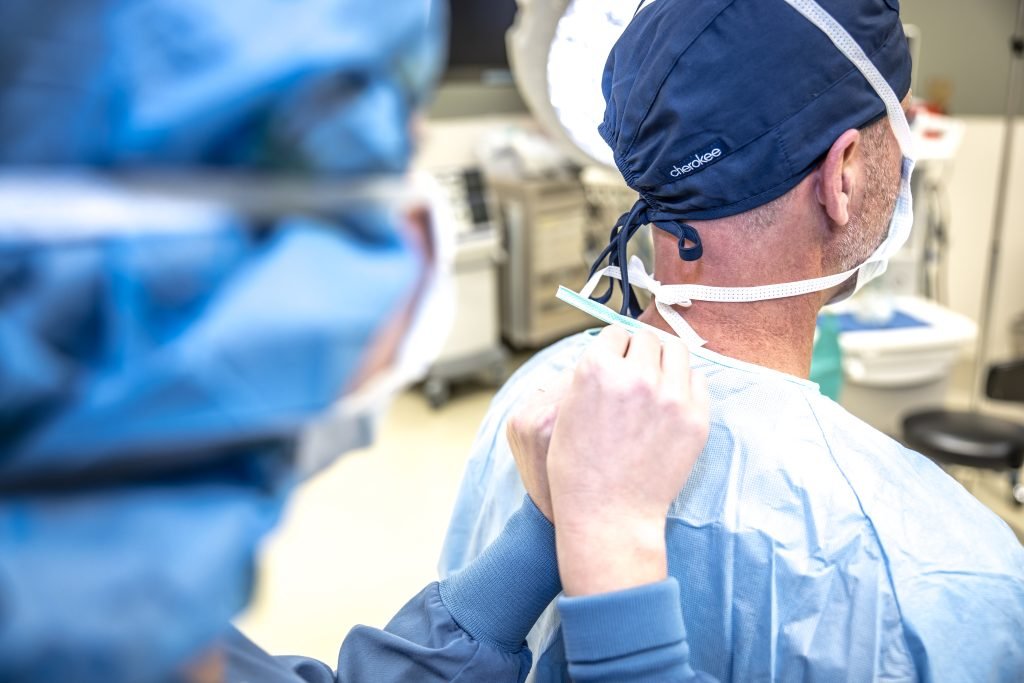
Hernia surgery is a procedure used to repair a hernia and reduce the risk of discomfort, obstruction, or other complications. Before undergoing surgery, patients should understand the type of hernia they have, possible risks, and what recovery may involve. Here are some key things to know before undergoing hernia repair surgery:
Understanding Your Diagnosis
A proper medical diagnosis is the foundation of any successful treatment plan. Doctors classify hernias by anatomical location, and this classification dictates the surgical approach. When patients receive their diagnosis, they will likely encounter one of the standard classifications below:
- Inguinal hernias: These occur in the groin area and predominantly affect men.
- Ventral hernias: These appear in the front part of the abdominal wall.
- Femoral hernias: These usually affect women and emerge in the inner thigh region.
- Umbilical hernias: These develop around the navel and are highly common.
- Hiatal hernias: These happen when part of the stomach pushes up through the diaphragm.
Knowing the specific type prepares you for the upcoming hernia surgery. The clinical team carefully reviews the diagnostic imaging, and they explain the exact nature of the defect.
Reviewing Surgical Options
Medical advancements provide multiple techniques for hernia surgery today. Surgeons often use minimally invasive laparoscopy, but they can also perform traditional open surgery. When the surgeon uses tiny incisions, the patient experiences less postoperative pain and a faster recovery.
Robotic surgery is another highly effective method for hernia repair. Although some hernias are complex, the robotic approach keeps incisions smaller than a dime. The size of the hernia dictates the surgical complexity. Small hernias require minor interventions, whereas massive abdominal defects demand major operations.
Preparing for Recovery
Recovery times vary depending on the chosen surgical method and the patient’s overall health. As patients prepare for the postoperative period, they must follow clinical instructions carefully. Here are some key components of recovery:
- Pain management: Most patients achieve adequate pain control with over-the-counter medications.
- Incision care: Keep the surgical sites clean to lower the risk of infection.
- Activity restriction: Avoid heavy lifting until the abdominal wall heals completely.
- Follow-up visits: Attend all scheduled medical appointments to track the healing progress.
A structured recovery plan prevents unnecessary complications after hernia surgery. If patients observe any unusual symptoms, they should contact the medical office right away.
Reducing Future Risks
Maintaining a healthy lifestyle is a fundamental aspect of long-term wellness. Weight management reduces pressure on the abdomen, and the reduction can prevent hernia recurrence. If a patient struggles with obesity, they face a significantly higher risk of abdominal wall defects.
Regular physical examinations allow doctors to monitor any changes in your abdominal structure. Patients should engage in safe core-strengthening exercises, but they must avoid straining during bowel movements. When they lift heavy objects, they should use proper body mechanics to protect the surgical site.
Smoking cessation remains a key step for optimal tissue healing. The chemicals in cigarettes weaken connective tissues, and this degradation increases the likelihood of a new hernia. Patients should make sure they consume a high-fiber diet to avoid constipation.
Schedule Your Hernia Surgery Appointment
Proper care and lifestyle adjustments play a significant role in recovering from hernia surgery and minimizing the risk of recurrence. Key measures include engaging in light physical activity, practicing good body mechanics, and avoiding smoking. Adopting these habits can promote optimal healing and long-term well-being. Contact a trusted healthcare provider near you to schedule your hernia repair surgery appointment today.